
Beginner’s Guide to Fall Bird Hunting
When the air turns crisp, leaves start to fall and cooler weather brings relief from summer’s heat , many hunters feel a familiar excitement — it’s hunting season. Whether you’re a seasoned outdoorsman or picking up a shotgun for the first time, fall bird hunting offers something for everyone.
From the wetlands to the woodlots, this season is a time of migration, movement and adventure. This guide breaks down beginner bird hunting tips, essential gear and fall hunting strategies to help you get started the right way.
Fall Turkey
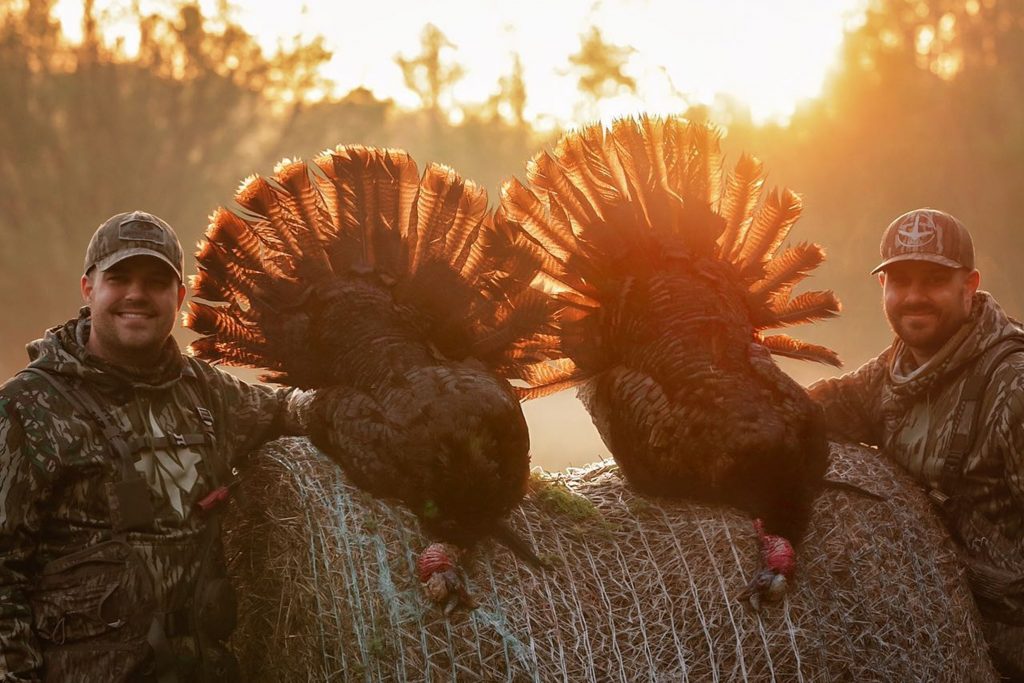
While turkey hunters know the thrill of chasing gobblers in the spring, fall turkey hunting offers a completely different challenge. In autumn, turkeys aren’t driven by breeding — they’re flocked up and focused on food and safety.
Tactics: Rather than calling a tom to you, the classic fall tactic is to bust up a flock, then use loud calls to lure them back in as they regroup.
It’s a test of patience and skill, and when it all comes together, calling a curious bird back into shotgun range is as rewarding as any spring hunt.
Essential Gear Checklist:
- Camo clothing matched to fall woods (consider layering for temperature swings)
- Shotgun with proper choke and shells or bow with arrows and broadheads
- Turkey calls (diaphragm, box or slate)
- Gloves and face mask for concealment
- Small game vest or turkey vest to carry gear and harvested birds
Pheasant
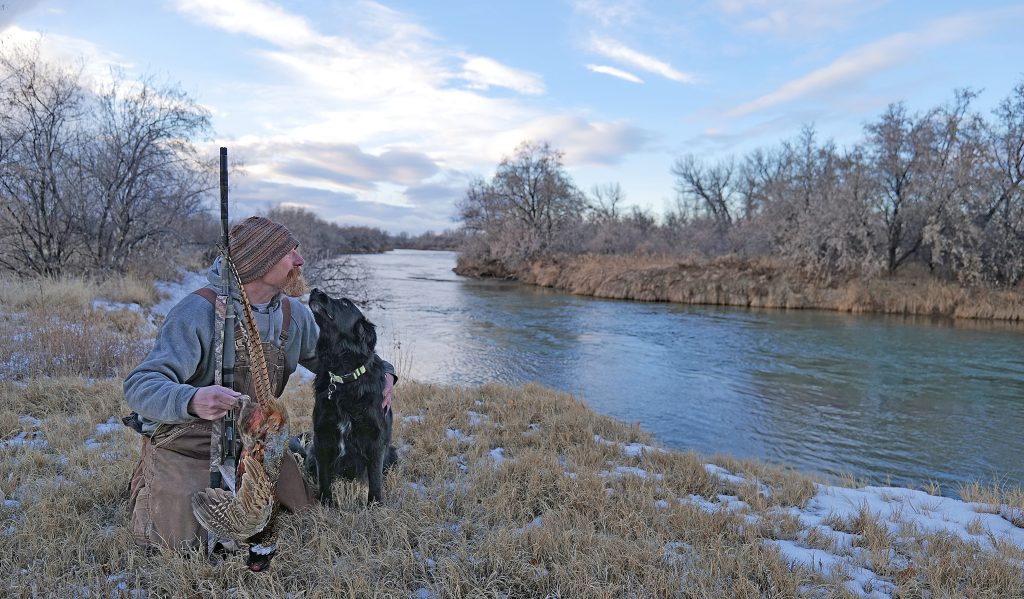
Pheasants, though non-native to the U.S., have become a very popular fall game bird — and for good reason. Their brilliant colors, explosive flushes and tasty meat make them an ideal target for new and easoned hunters alike.
You’ll typically find pheasants in grasslands, crop edges and shelterbelts. A trained bird dog can be a huge help in locating and retrieving birds, but even without one, slow, deliberate walking through likely cover can be effective.
Tactics: Hunt early or late in the day when birds are moving between feeding and roosting cover. After snow or rain, look for tracks along field edges.
Many state wildlife agencies stock pheasants on public lands each fall, making this one of the most accessible and beginner-friendly bird hunts available.
Essential Gear Checklist:
- Blaze orange vest and/or hat for visibility
- Shotgun and shells (#4–#6 shot)
- Sturdy boots and brush-resistant pants
- Eye and hearing protection
Dove
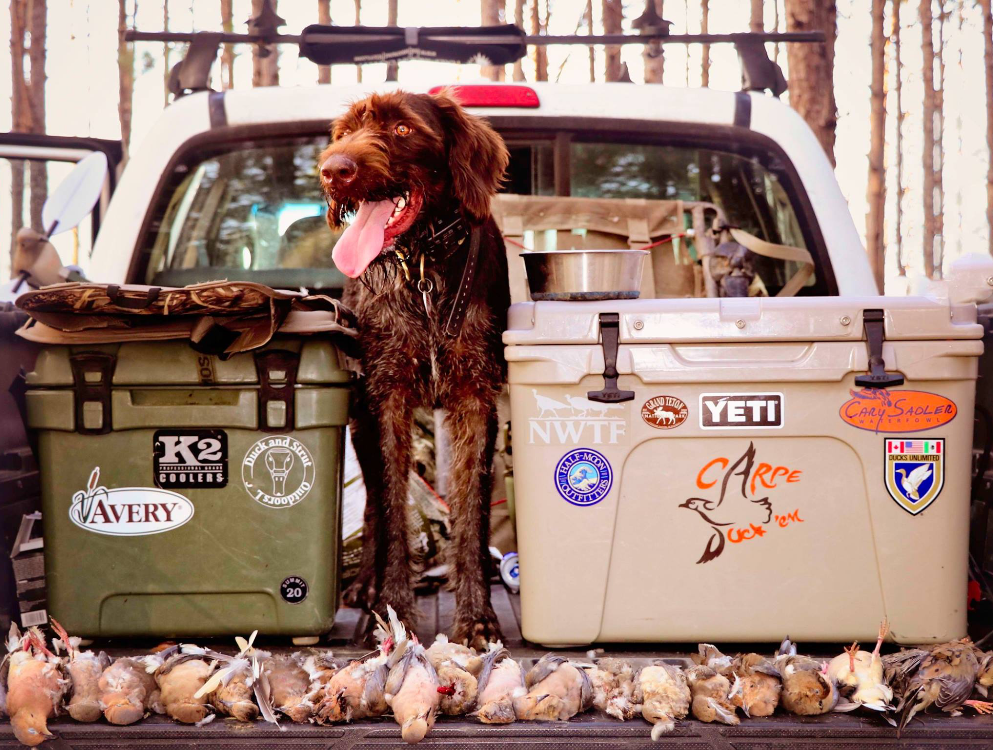
The dove opener is a cherished tradition in many parts of the country, and one of the best introductions to wingshooting. These speedy birds are abundant, tasty and challenging to hit, making them a fun way to sharpen shooting skills and to generate a treat for the dinner plate.
Tactics: Scout fields a day or two before the season. Look for doves near agricultural fields with corn or small seeded crops such as wheat, millets or sorghum. Additionally, sunflower plots, watering holes and setting up near a flight path or perches like powerlines can increase your success.
Bring plenty of shells — doves are fast, and the action can be steady!
Essential Gear Checklist:
- Shotgun and plenty of shells (#7½ or #8 shot)
- Folding stool or bucket with storage
- Eye and hearing protection
- Camo or neutral clothing to blend with surroundings
- Dove decoys or spinning-wing decoy for attraction (check your state’s regulations)
Waterfowl
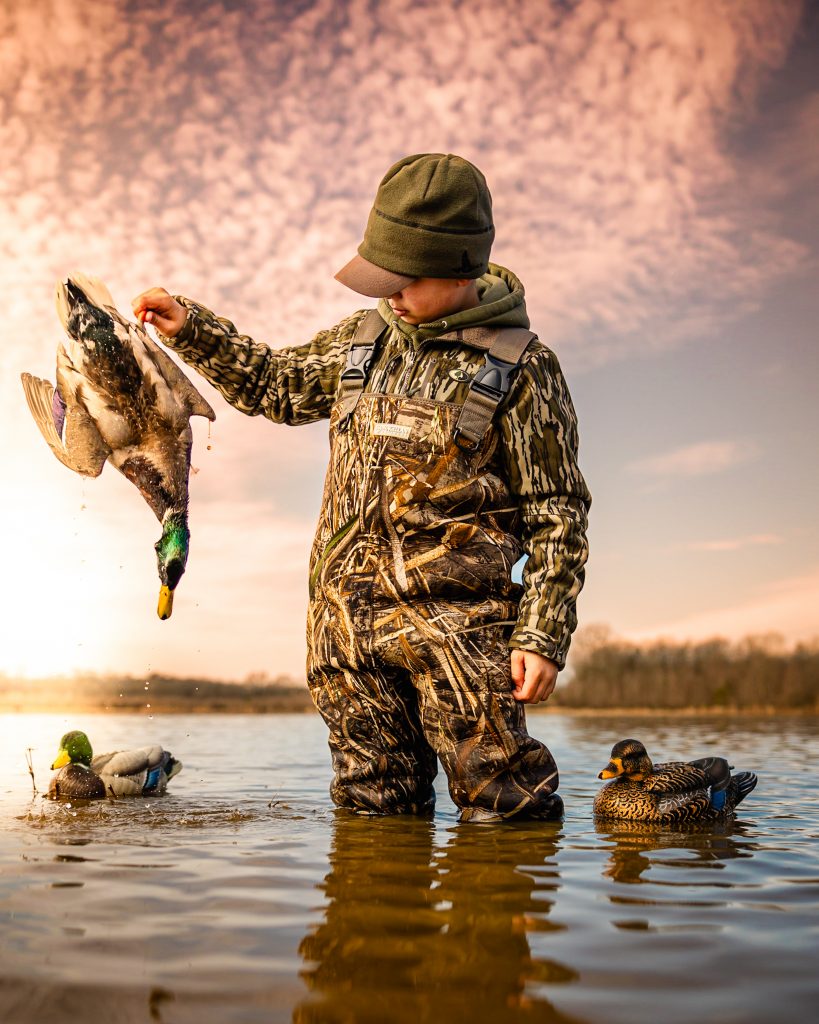
Waterfowl hunting in the fall varies greatly across the country and the type of habitat you plan to hunt — from mallards dropping into flooded timber to geese landing over frosty cornfields, few experiences rival a good waterfowl hunt.
Success starts with concealment, as ducks and geese have incredible eyesight. Match your camouflage to the surroundings and keep movement to a minimum. Decoys are also key tools to attract birds, even a small spread can help if it looks natural and matches the species you’re targeting.
Most importantly, stay warm and dry. A good pair of waders and layers will make those cold mornings much more enjoyable.
Tactics: Match your decoy spread to the species and setting. Ducks respond well to movement (try a basic jerk rig), while geese need realism and spacing. Wind direction is crucial: birds land into it, so position yourself accordingly.
Essential Gear Checklist:
- Shotgun, nontoxic shells and choke tubes
- Camo outerwear suited to the environment (marsh, timber or field)
- Waders or waterproof bibs and boots
- Hearing protection
- Decoy spread
Grouse
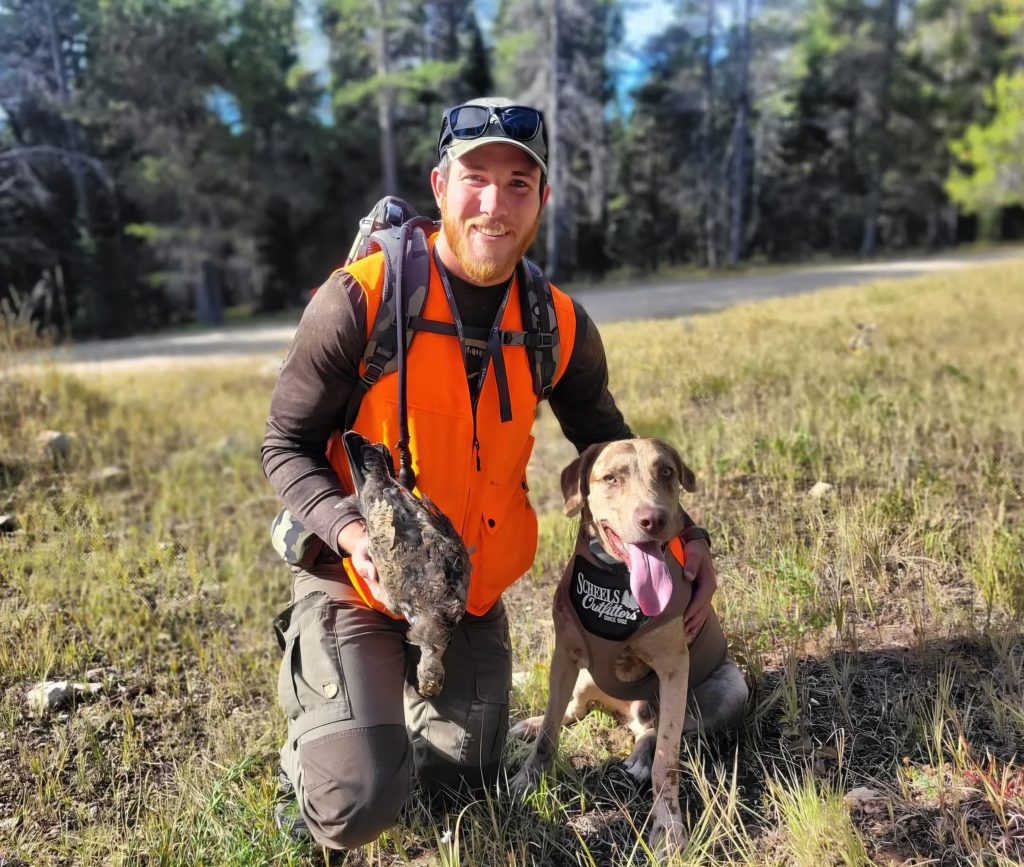
If you love wandering through quiet woods draped in fall color, grouse hunting might be your favorite pursuit of the season. Grouse country is as diverse as the birds themselves, ranging from thick aspen stands to mixed conifer forests, and even open grasslands dotted with shrubs in parts of the West.
Whether you hunt with or without a dog, move slowly and pause often. Grouse often sit tight and flush only when they feel the pressure is off. Those brief pauses can cause a hidden bird to burst from cover — giving you just seconds to react.
Tactics: Move slowly and pause often; grouse tend to flush just as you start walking again. Focus on edges between young and mature timber, especially near food sources like aspen buds, berries or clover patches.
Their explosive takeoff and unpredictable flight path make grouse a thrilling challenge in bird hunting.
Essential Gear Checklist:
- Lightweight, brush-resistant pants
- Comfortable boots for rugged walking
- Shotgun and shells (#7½ or #8 shot)
- Blaze orange vest and/or hat
- Eye and ear protection
- Small backpack or vest with water, snacks and a map/GPS
Quail
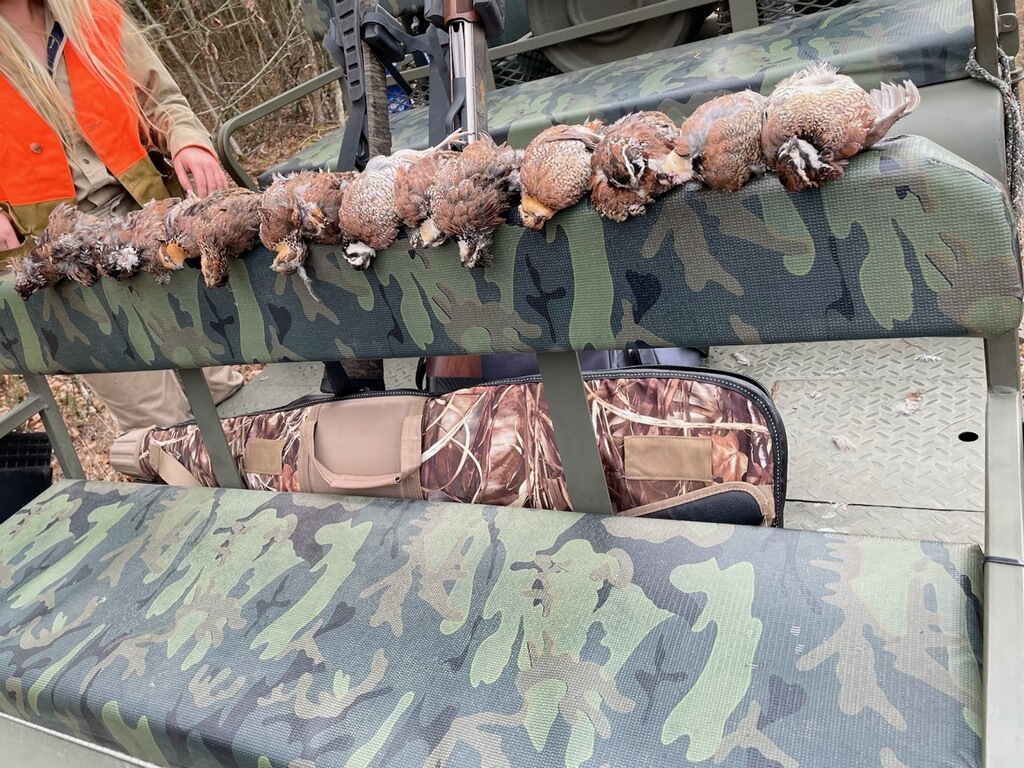
Coveys of quail are the heart of upland hunting in the South and Midwest. Found in brushy edges, grasslands and thickets, quail provide fast-paced action and group shooting fun.
The key to success — like most bird hunting — is understanding habitat and seasonality, as quail use different parts of the landscape as temperatures drop. Hunting after a frost or light snow can reveal where coveys are feeding and loafing.
A good bird dog can transform your experience, but even without one, patient walking and careful listening can lead you to success.
Tactics: After flushing a covey, mark the direction they fly and circle back 15–20 minutes later. Early morning and late afternoon are typically best for finding feeding birds.
Essential Gear Checklist:
- Comfortable boots and durable pants
- Shotgun and shells (#7½ or #8 shot)
- Blaze orange hat and/or vest
- Eye and hearing protection
How to Get Started Bird Hunting
For beginners, the best way to start is to learn about your local regulations and resources. Visit your state department of natural resources or game and fish website for season dates, public hunting maps, safety courses and even mentored hunt programs designed for new hunters.
Your local NWTF chapter is another valuable resource. Chapters frequently host mentored hunts, youth events, habitat workdays and shooting clinics that help you build skills while giving back to conservation.
From prairie grasses to flooded timber and mountain slopes, fall bird hunting invites you to experience the full diversity of the land. For beginners, every hunt is a lesson. Learn the landscapes, respect the wildlife and take time to appreciate the conservation that keeps these habitats thriving. With each hunt, you’ll gain experience, appreciation and connection to a tradition passed down for generations.