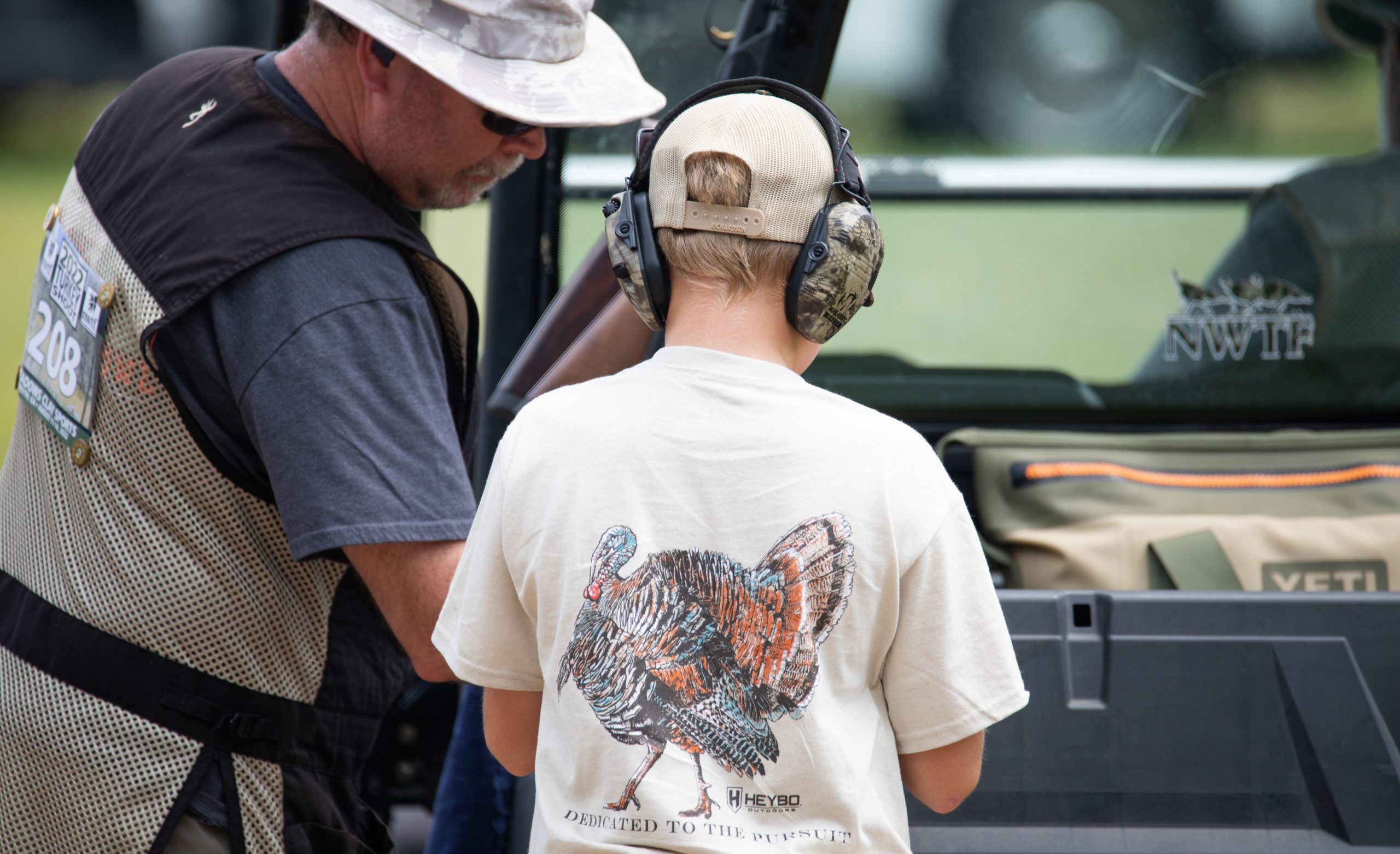
Your Experience Could Help Shape Hearing Research
Owen Honaker, a second-year medical student at the University of Kentucky, grew up hunting and fishing. Now, he is gearing up to launch a medical research study that will investigate what factors influence the use of hearing protection in hunters across the nation. Now that the study has been Institutional Review Board approved, he is currently looking for hunters to participate in a questionnaire that will inform his study with a wide geographic distribution.
“The goal for this project is to understand what influences the use of hearing protection, so that medical professionals and state and federal fish and game agencies can better educate hunters on the importance of hearing protection,” Honaker said. “Another goal is to demonstrate a need for quality hearing protection targeted for hunters that is affordable.”
At the beginning of 2026, when Honaker was out duck hunting with some friends, his ears started ringing. Now that he’s in medical school learning more about Otolaryngology, or ears, nose and throat, he started thinking about how hearing protection has never been discussed with him by a medical professional.
This led him to start searching for medical research on the factors that influence the use of hearing protection in hunters, but he found a gap in the literature. While Honaker was able to find studies that showed an increase in noise induced hearing loss in hunters, there were no solutions. He used similar research that assessed the hearing of industrial workers or farmers to build out this study.
“There are not many medical studies in general that pertain to hunters at all,” he said. “That’s a large portion of the population, specifically in rural areas, who are historically underrepresented in medical literature. I'd like to bring some attention to it, because those are my people, and I'm going to hunt and fish the rest of my life.”
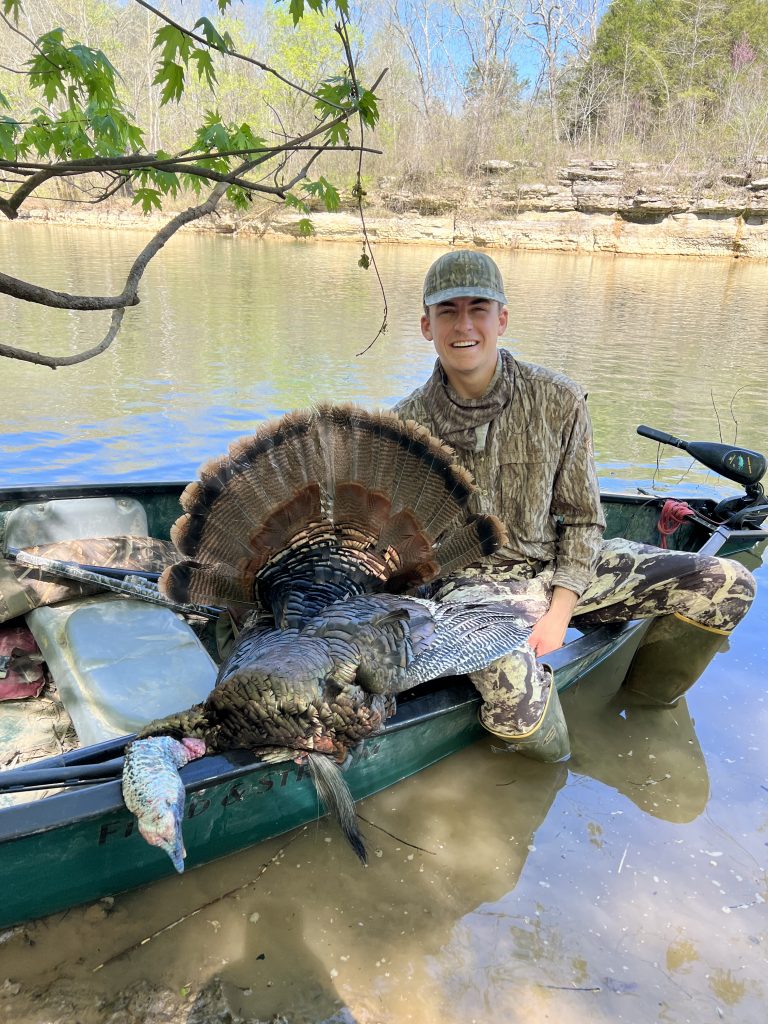
No matter what game species a hunter chases, this research applies. The sounds of the woods are often cited as the most memorable part of the hunt: the sounds of a thundering gobbler or the grunt of a deer. These are often the first things a hunter hears when their quarry is nearby. That's a major part of the experience that is sacrificed with severe hearing loss.
Recent studies also show that people with hearing loss are more likely to develop dementia, Alzheimer's or other chronic health problems.
The more hunters that participate in Honaker’s questionnaire, the more accurate the results his research will produce. The questionnaire will take less than 10 minutes to complete and asks a series of questions regarding whether an individual wears hearing protection or not, their game species of focus and other similar questions. Honaker will leave the questionnaire open until the end of the year.
Honaker anticipates finding that those who mainly group hunt or waterfowl hunt might use hearing protection more than a solo, big game hunter. This predication stems from the fact that there are usually more hunters and shots being taken while waterfowl hunting. He suspects that turkey hunters don’t often use hearing protection unless they can afford the electronic ear plugs, because turkey hunters rely heavily on their sense of hearing.
To participate in Honaker’s questionnaire, visit this link.