Using Weather to Your Advantage During Spring Turkey Season
If you hunt turkeys long enough, you quit worrying about “perfect” weather. It doesn’t exist. One morning it feels like April, the next it feels like late February, and somewhere in between, you’re trying to make sense of birds that don’t seem to be acting right. Truth is, they are acting right; you just have to understand what the weather is doing to them.
I’ve killed birds in rain, wind, cold snaps, and those picture-perfect warm mornings everybody hopes for. The difference isn’t the conditions. It’s how you hunt them.
Rain Changes Where They Want to Be
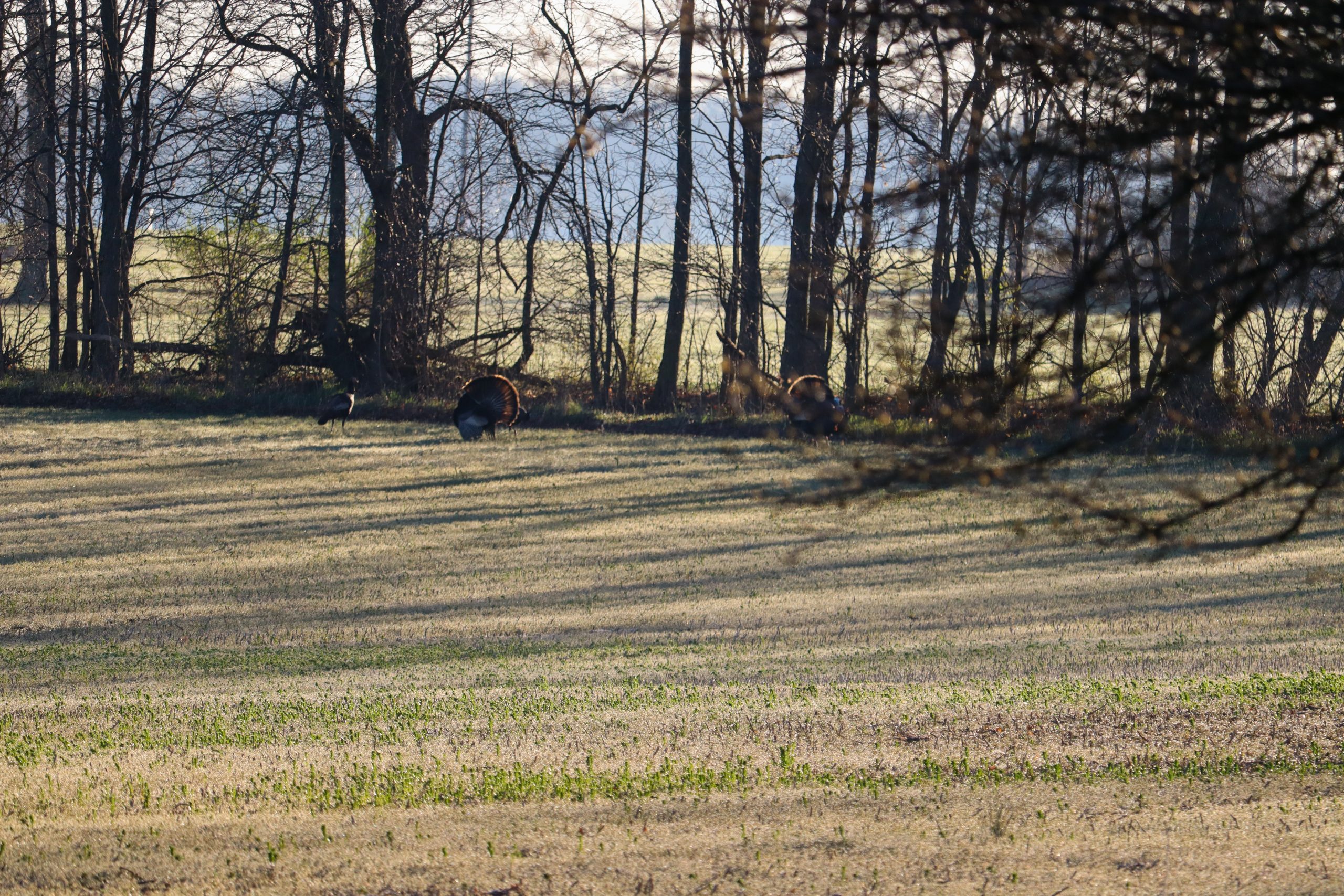
A light rain is one of the more overlooked opportunities in turkey season. Most guys stay home or head for the woods thinking birds will just shut down. They won’t. They’ll just move. When it’s raining, especially a steady drizzle, turkeys don’t like being buried in timber where they can’t see. Everything’s wet, visibility is cut down, and they’re more vulnerable. So, they drift to places where they can use their eyes like fields, pasture edges, logging roads, pretty much anywhere open. This is where you should be too.
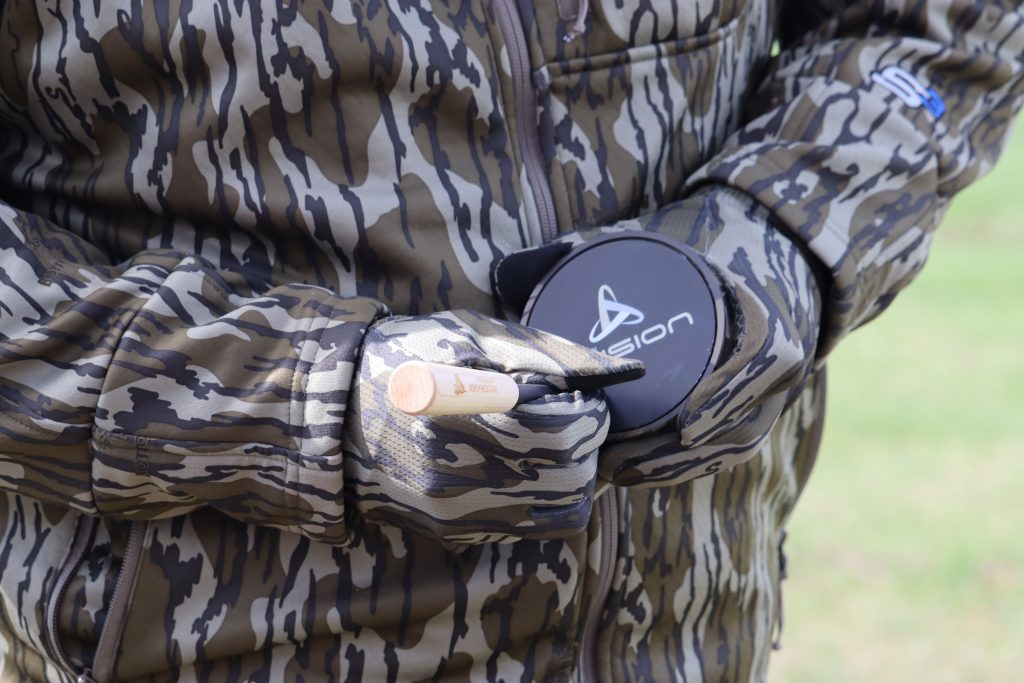
I’m not trying to get fancy with calling in the rain either. Soft yelps, a few clucks, just enough to let a bird know I’m there. Sound seems to hang a little different when it’s damp, and you don’t need to overdo it. When it comes to calling in the rain, I prefer the Woodhaven Ninja Fusion pot call because it was built for calling in these conditions.
Now if it’s a cold, pounding rain, that’s a different story. Birds will ride that out. But as soon as it breaks, I want to be set up near an opening. That window right after a rain lets up can be as good as it gets. Turkeys will hit fields to dry off and feed, and they’re usually ready to move.
Wind Makes You Hunt Smarter
Wind is the one that frustrates people the most, and I couldn’t agree more. It messes with everything. You can’t hear gobbles, the gobblers can’t hear you, and it just feels like the woods are dead. But in reality, the birds are still there. They just aren’t spread out the same way. In the wind, turkeys will gravitate to areas where they can hear better, like leeward ridges or bottoms. Think of pockets that block some of that noise. If you can find a calm side of a hill, there’s a good chance a bird will use it.
You also can’t hunt lazy in the wind. Sitting in one spot and blind calling isn’t doing you any favors. You need to cover ground, get tight to where birds are living, and be ready to strike one at closer range. I’ll call louder when I have to, but more importantly, I’m trying to close the distance before I ever make a sound. If I am calling in the wind, I prefer a box call because I can get a lot more volume out of one compared to other calls. But remember, wind shortens everything, how far they hear you, how far you hear them, and how much room for error you have.
Cold Snaps Slow the Whole Woods Down
A late season cold snap will make you question everything if you’re not careful. Birds that were gobbling their heads off suddenly go quiet, they stay on the limb longer, and it feels like the season just stops. What really happened is the cold just brought things to a halt.
This is where patience pays off. I’m not running all over the place on those mornings. If I know where a bird is roosted, I’m getting in there tight and setting up well before daybreak. It might take longer than usual, but he’ll eventually hit the ground. And when he does, he’s not always in a hurry. Cold mornings tend to push activity later into the day. Once the sun gets up and starts warming things, birds will loosen up. Some of the best hunts I’ve had during a cold stretch didn’t really get going until mid-to-late morning.
If you’re used to calling it quits early, this is when you stay.
Warm-Ups Flip the Switch
There’s nothing better than that first good warm stretch after a few rough days. You can feel it when you step out of the truck. Birds feel it too. Gobbling picks back up, hens get active, and toms start covering ground again. It’s one of the few times during the season where I’ll speed things up a little. I’m striking birds, moving when it makes sense and not overthinking every setup.
These are also the days when the breeding cycle really starts showing. As hens begin slipping off to nest, gobblers can find themselves alone later in the morning, and this is when they’re vulnerable. Late morning during a warm trend is a time a lot of birds die every year, and it’s because guys either stick it out or get back after them when most others have already left.
Adjust or Get Left Behind
If there’s one thing I’ve learned, it’s that turkeys don’t just disappear because the weather isn’t ideal. They shift. Sometimes it’s subtle, sometimes it’s obvious, but they’re always somewhere you can hunt them. Rain pushes them to open ground. Wind tucks them into protected areas. Cold slows everything down and stretches your timeline. Warm weather gets them fired back up.
None of it is complicated, but you do have to pay attention and be willing to adjust. The guys who struggle are usually hunting the same way every day, no matter what the conditions are doing. The guys who consistently kill birds are the ones who adapt. You don’t need perfect weather to have a good hunt. You just need to understand what the birds are doing with the weather you’ve got and go meet them there.