Upper Provo Project Brings Multiple Conservation Benefits to One Utah Landscape
Along Utah’s scenic Mirror Lake Highway, conservation partners are taking a landscape-scale approach to improving forest health, water resources and wildlife habitat.
Recently completed, the Upper Provo Stewardship Project treated 3,873 acres through a partnership between the National Wild Turkey Federation, the USDA Forest Service and Utah’s Watershed Restoration Initiative. The project demonstrates how collaboration can bring multiple conservation priorities together across one landscape, creating benefits for wildlife, people and the resources they depend on.
The Utah Watershed Restoration Initiative is a collaborative effort that brings sportsmen’s groups, state and federal agencies and other partners together to improve high-priority watersheds throughout the state. The NWTF has partnered with WRI since its inception in 2006, helping leverage funding for projects that improve wildlife habitat, forest health, water resources and recreational opportunities.
That partnership continued in 2026, when the NWTF joined fellow sportsmen’s groups to help prioritize and allocate $6,491,866 for habitat projects through the WRI framework. The NWTF contributed $223,200, helping fund 29 habitat improvement projects as well as additional capacity for the Utah Division of Wildlife Resources.
The Upper Provo Watershed was identified as a priority for vegetation management to maintain and improve the condition, quality and quantity of water and habitat available to the public and wildlife.
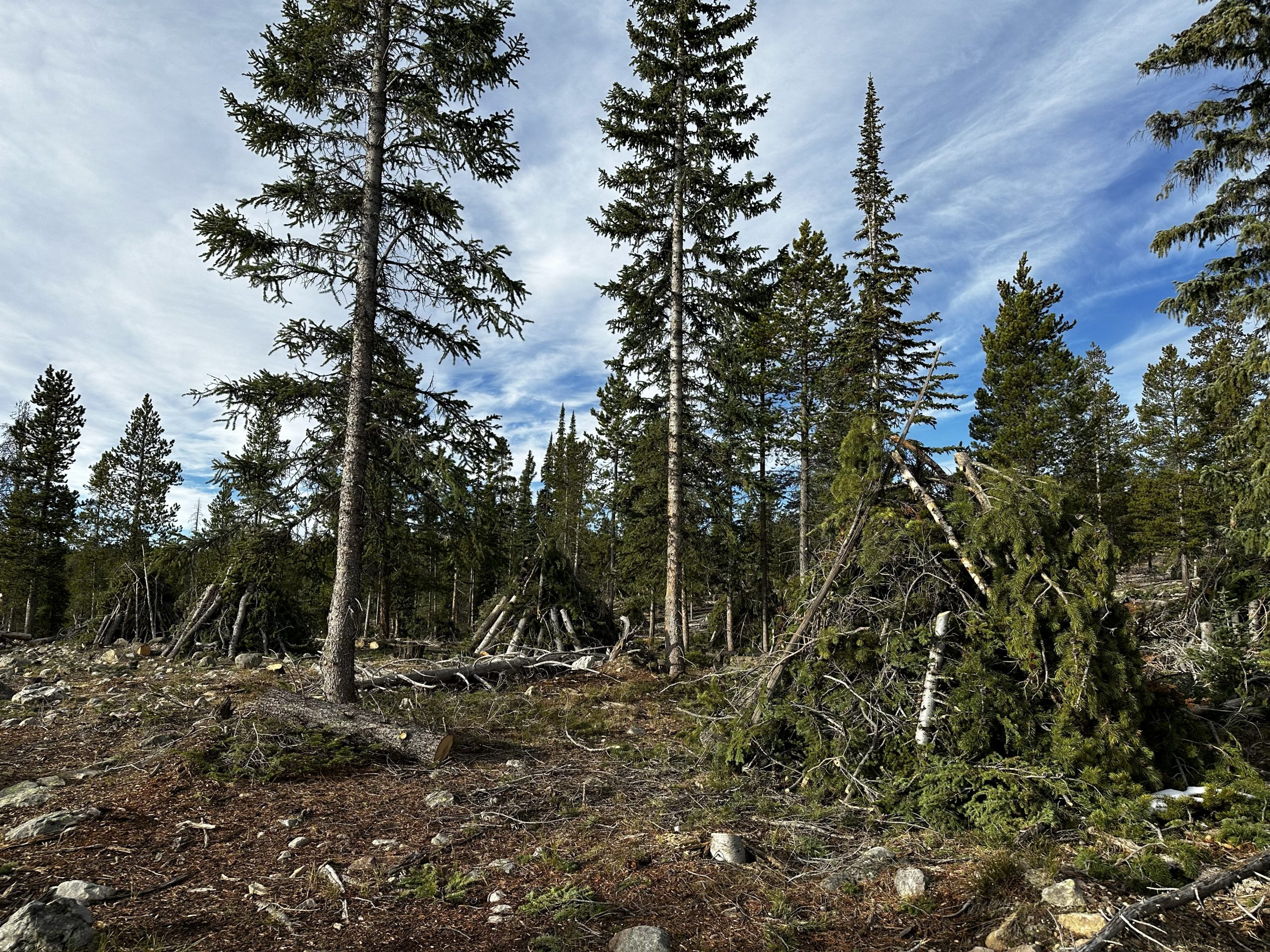
Work across the project area included mastication of encroaching juniper, hazard tree removal, conifer thinning, aspen enhancement and wetland restoration. Each treatment addresses a different need, but together they contribute to a healthier and more resilient watershed.
Removing encroaching juniper and thinning conifers can improve forest conditions while reducing hazardous fuel loads and creating greater diversity in forest structure. Aspen enhancement helps restore an important component of western forests, while wetland restoration supports systems that play an important role in storing and filtering water and providing habitat for wildlife.
“The value of this work was put to the test during the 2024 Yellow Lake Fire, which burned more than 33,000 acres across the surrounding landscape,” said Chuck Carpenter, NWTF district biologist for Utah, Idaho, New Mexico and Arizona. “As the fire reached previously treated areas, including treatments on Iron Mine Mountain, Forest Service officials reported that fire behavior changed and existing fuel breaks helped slow its progression. It was a real-world example of how long-term restoration and fuels work can create more resilient forests while giving firefighters a better opportunity to safely manage wildfire.”
For wild turkeys and other wildlife, the benefits extend beyond any single treatment. Forest management can create a more diverse mix of vegetation and age classes, while improved wetland and meadow systems provide important habitat within the broader landscape. Previous Upper Provo work has also targeted early successional vegetation, riparian areas, aspen regeneration and forest resilience, all of which can contribute to improved habitat conditions for wildlife.
The project also reflects the strength of working across ownership and organizational boundaries. The Upper Provo landscape sits within the Uinta-Wasatch-Cache National Forest, where the Forest Service and conservation partners can combine funding, expertise and on-the-ground management to accomplish work at a scale that would be difficult for any one organization to achieve alone.
That collaborative model is central to the Watershed Restoration Initiative. Projects are developed and prioritized through regional partnerships, bringing together agencies, sportsmen’s organizations and other stakeholders to identify conservation needs and direct resources where they can have the greatest impact.
For the NWTF, the Upper Provo project is another example of how investing in healthy landscapes can create benefits for the wild turkey and beyond. Healthy forests support wildlife. Healthy wetlands and watersheds support clean and abundant water. Diverse and resilient landscapes provide opportunities for hunting, fishing and other outdoor recreation. And by bringing partners together around shared conservation goals, those benefits can be multiplied across the landscape.