The Power of Poults
By the end of spring turkey season two years ago, seven hens had hatched an average clutch of eight chicks. One month later a total of four poults remained. Bad weather and predators were the culprits.
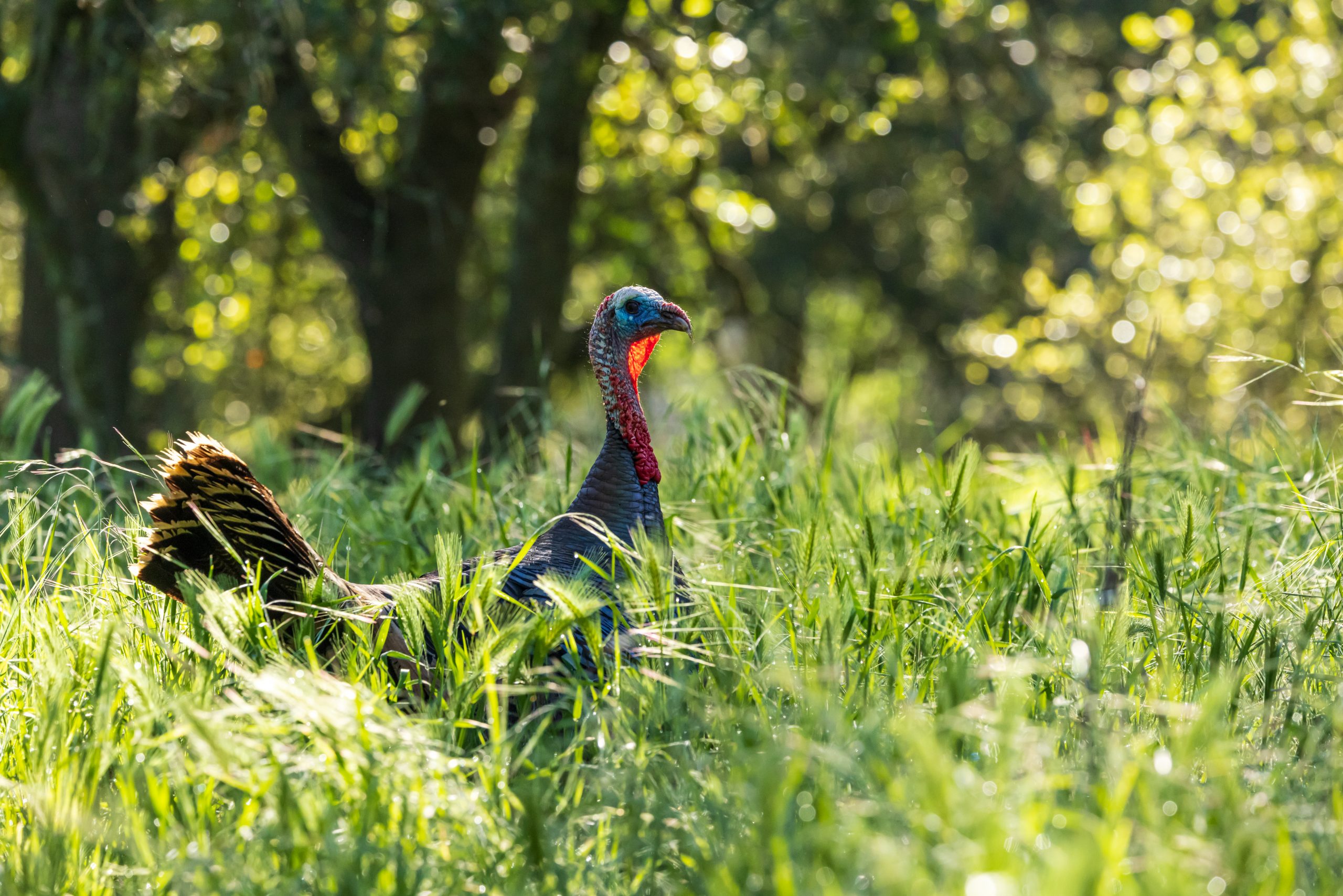
For over 25 years I’ve hunted that ridgeline. I have over a dozen trail cameras spread across it and frequently scout it, year-round. What happened next was something I’ve witnessed more than once in my 40 years of turkey hunting.
In late July two hens re-nested and a total of 21 chicks appeared to hatch. Only three poults died. Between Sept. 17 and Oct. 2, three more hens showed up with 27 new chicks. They all formed a big flock. Grasshoppers were prevalent, ground cover was thick, and poults quickly grew. Only five didn’t appear to survive the fall.
Come the season opener the following spring, more than 20 young hens that were too young to breed, occupied the area. After the mature hens began sitting on nests, the jennies were still active. Toms in the area pestered them all season. It made for tough calling until the very end, when two new toms arrived.
Tracking poult recruitment has become a growing part of my spring turkey hunting strategy, and September through November is an insightful timeframe.
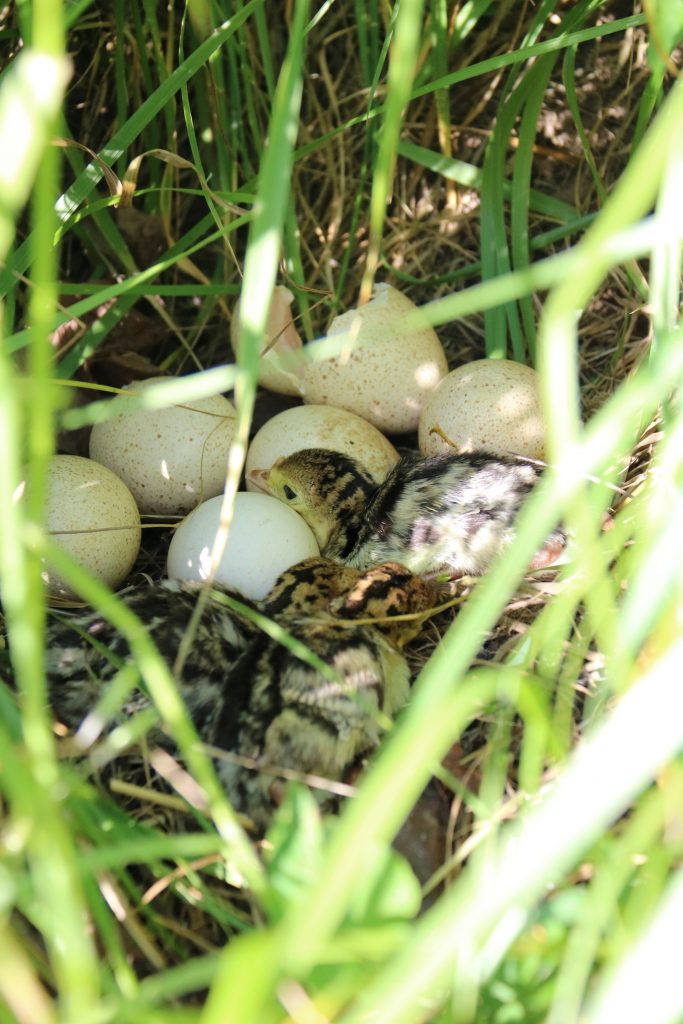
Often, by late October I have a good idea if I’ll be hunting an area the following spring.
A few years ago, poult mortality in one area was over 95%. A wildfire swept through the previous fall, and while initial hatches were good, poult survival was dismal. A lack of cover resulted in vulnerability to predators; re-nesting efforts also failed. Come spring, there wasn’t a tom in the area. It broke my seven-year run of taking a tom in that spot.
An area that incurred a wildfire during the summer had the opposite results. Though poults suffered high mortality during their initial nesting due to cold rains and predators, late summer rains allowed grass to sprout and ground cover to flourish. Several hens showed up with clutches in late September, even the first few days of October, and their survival was high due to prime habitat. The following spring saw head-high grass and the best turkey cover I’d seen there. While I didn’t hunt it the spring following the fire, the second spring a buddy and I took four toms from it, once adult hens bounced back and toms poured in.
Starting in late January, I monitor beardless flocks. The goal is to locate as many flocks as possible and keep a head count. By late February, beardless flocks in my area are beginning to break up and breeding slowly commences. Here, early hatch poults seem to break away from the beardless flocks sooner and travel further than late hatch poults. The timeliness of winter flock breakup has a direct correlation to when, even how many, toms show up, as well as how spread out they are.
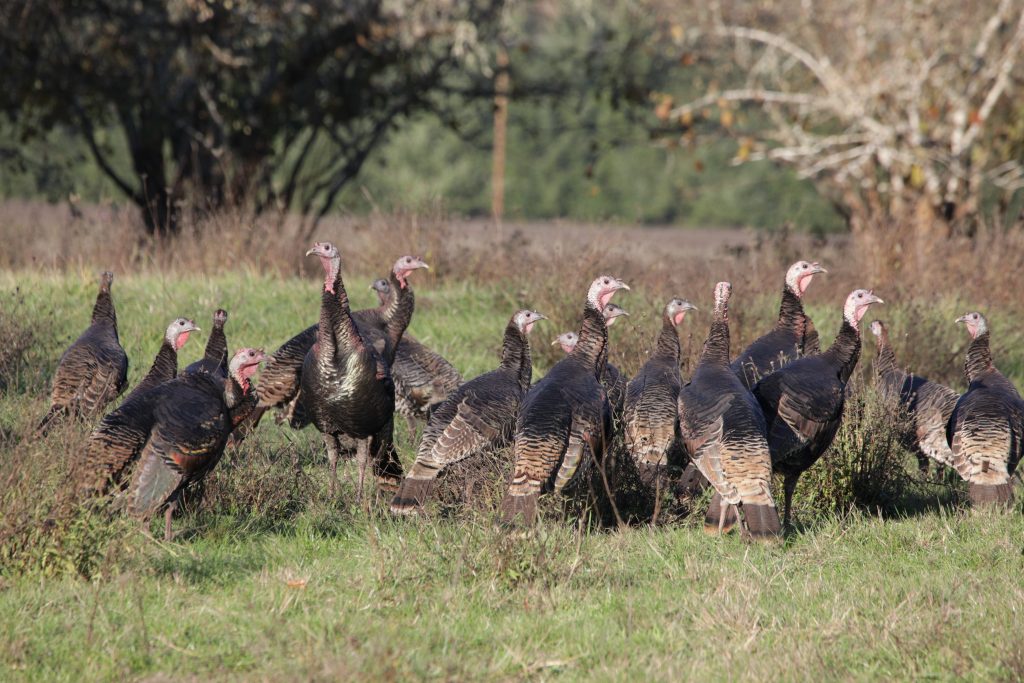
When beardless flocks remain together into the start of breeding, tom numbers are commonly high. In places where old toms are established and they’re doing most of the breeding, calling to new arrival toms on the spring opener can be effective. I’ve had the best success calling lightly, from inside wooded settings. Seems the new toms have had their egos busted by boss toms, but they often respond through cover, typically coming in silent.
When a high number of late hatch poults remain in an area, cruising toms often show up late in the season. In such conditions, some of my best hunting has taken place in the final week of the spring season. This is when the local toms have given up courting the young hens that aren’t going to breed, but new toms show up in search of love. These are usually single toms or small flocks of aggressive, 2-year-olds.
As I write these words, spring turkey season is two weeks away. One of my favorite places for nearly 20 years doesn’t have a single turkey on it. In early March there were 62 birds in a beardless flock, a mix of all ages; that flock formed last summer and early fall. By late March they moved off. Our winter was mild and higher elevations saw wild grasses flourishing. Best I can conclude, this flock dispersed and spread out into these areas. Increased human activity and predators may have had additional impact.
Thankfully, a spot on the river bottom is loaded with toms and hens that had a very successful early hatch last spring. That’s where my hunting efforts will start. As for other spring options, the tracking of poults has helped me develop more solid hunting plans.
For signed copies of Scott Haugen’s popular book, Western Turkey Hunting: Strategies For All Levels visit scotthaugen.com. Follow Scott on Instagram and Facebook.