Turkey Calling Myths (and the Real Truth)
Some traditional turkey calling wisdom might not be grounded in reality. Often, the facts are more complicated.
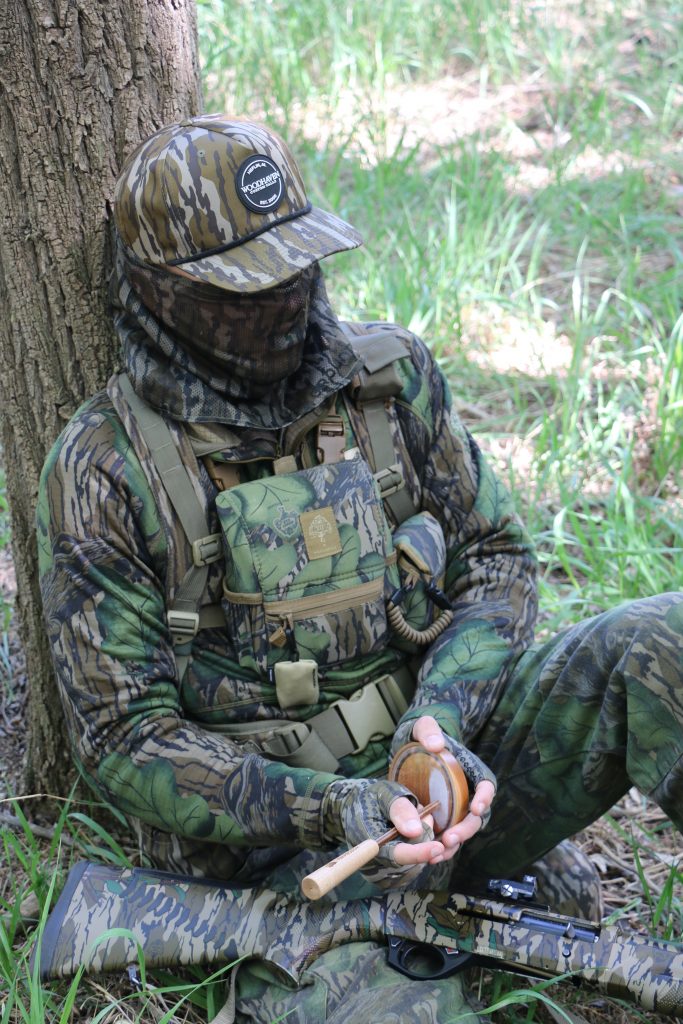
Hunting spawns all types of lore and conventional wisdom. Much of it holds up through time, but some is nothing more than folklore.
That’s especially true with turkey calling. Yet hunters still hold many persistent myths as gospel. Experience often exposes the truth, however. Let’s examine the origins of four persistent calling misconceptions and get the facts.
Turkeys Become Call-Shy
World-champion caller and Woodhaven Custom Calls pro-staffer Steve Stoltz believes this myth was started by hunters making excuses about gobblers that didn’t come to calling or walked away.
“Most turkeys can’t remember one hour to the next,” he said. “There are many reasons why a bird won’t come to a call. But the biggest reason is it’s just not natural for the gobbler to go to the hen in the first place. They usually expect the hen to come to them. Think about it. Hens march right up to the gobbler, even while he’s still in the roost. This goes on for a month or more before the season even opens. Now all of a sudden, the hen (you) refuses to come. You are throwing him a curveball, and he doesn’t quite know what to do about it. Many times, he loses interest, or a hen will find him and take him the other direction.”
You Can’t Call Too Loudly or Too Often
This fallacy was likely started by hunters who killed birds by calling loudly and often, Stoltz said.
“Look, let’s face it, the biggest determining factor in successfully calling a bird in is usually what mood you catch them in,” he said. “But always remember that when a bird hears your calling, he can pinpoint it to the exact tree. And if he’s responding and getting closer, he knows exactly where to come, and he expects to put a visual on a hen. You will have much more success by turning the volume down, using soft calling and calling more sparingly when they get within 75 yards. In fact, I try to make it sound as if the hen is actually behind me about 20 yards. And once you put a visual on the bird and you can see that he’s still working your direction, the silent treatment works very well at that point. Let him come find you.”
Poor Calling and Mistakes Spook Birds
Stoltz thinks this myth originated from unsuccessful hunters who are poor callers or who made mistakes calling.
“Does it help your success to be a highly skilled caller?” he said. “Absolutely. But it’s not necessary. I know quite a few turkey killers who are not very good callers and make mistakes. But their woodsmanship combined with knowing the habits of the wild turkey make them lethal in the turkey woods. Think about it: If a gobbler spooked every time he heard a mistake, he wouldn’t come to a real hen, either. No matter what level your calling skills are, just work on good, solid turkey rhythm and cadence. The rest will fall in place.”
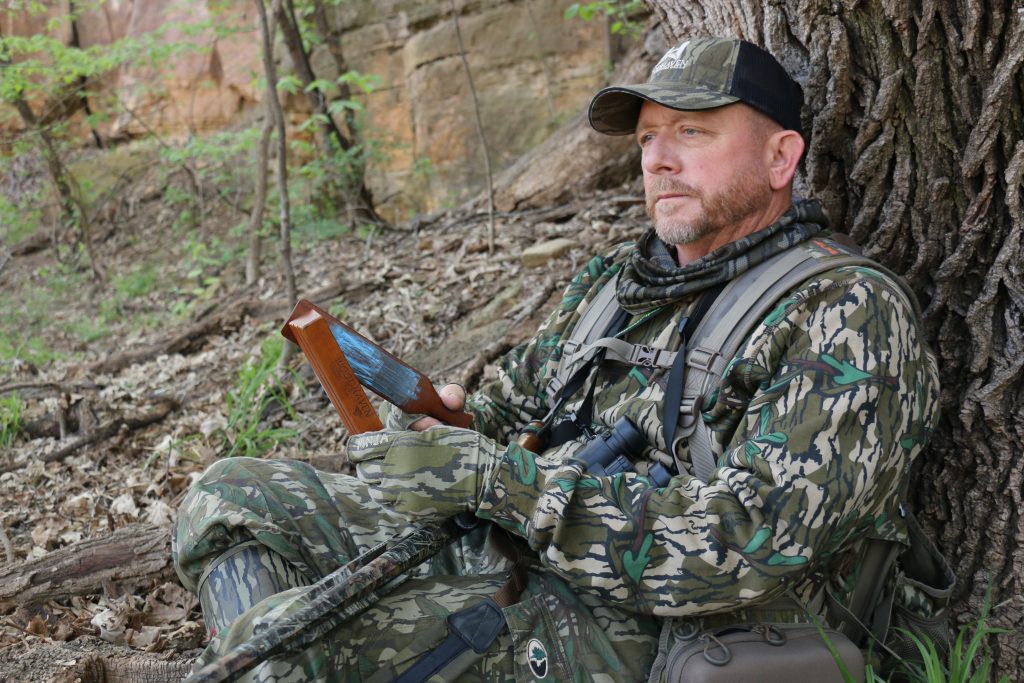
Don’t Overcall to Gobblers on the Roost This probably started with unsuccessful hunters who had gobblers stay on the limb past daylight, Stoltz said.
“To be honest, this is partly true depending on where you are set up,” he said. “But I hear many hens that are very vocal to gobblers while they’re still in the limb: tree calls, soft yelps, cutting and even excited hen yelping. The biggest problem with calling to them on the roost is that eventually they will expect the hen to fly down and come to them. And only after putting a visual on the hen will he then fly down. My rule of thumb is this: If I think I’m so close that I can almost see him — and conversely, he can see me — I will definitely call very softly and sparingly. Just enough to let him know that I’m there. If I’m more than 100 yards distant, I will likely call a bit more to him, especially if I hear other hens roosted with or near him. Then you might have to convince him to check you out first or essentially outcall the competition.”