Totally Tubular
Tube calls are spiking in popularity. Here are few reasons why.
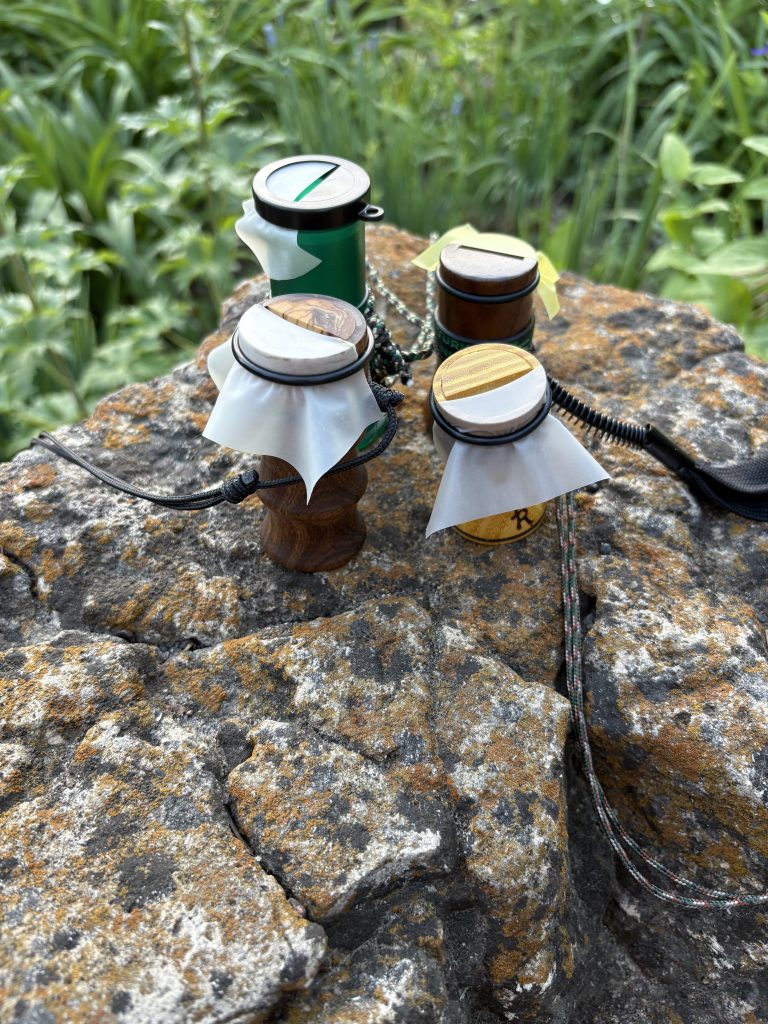
Based on observations from the 2026 Grand National Custom Callmaking Competition at the NWTF’s annual Convention and Sport Show in Nashville, tube calls are becoming increasingly popular. That makes sense, because tube calls are also trending in the turkey woods. Modern hunters are rediscovering them as highly versatile old-school tools. That’s evident in the buzz about them on social media and in what folks are buying for their next hunt.
A tube call is an air-operated instrument. It consists of a small cylindrical tube, historically made from a snuff can but now typically made of wood or molded plastic. A latex reed is stretched across a half-moon opening at the top. Sound is created by blowing a steady stream of air between the user’s lips and the stretched latex.
It’s true that tube calls require a significant learning curve to get back pressure and lip tension just right. However, by following written instructions, advice from experienced callers and online tutorials, plus a good amount of practice, you can master the basics of air control.
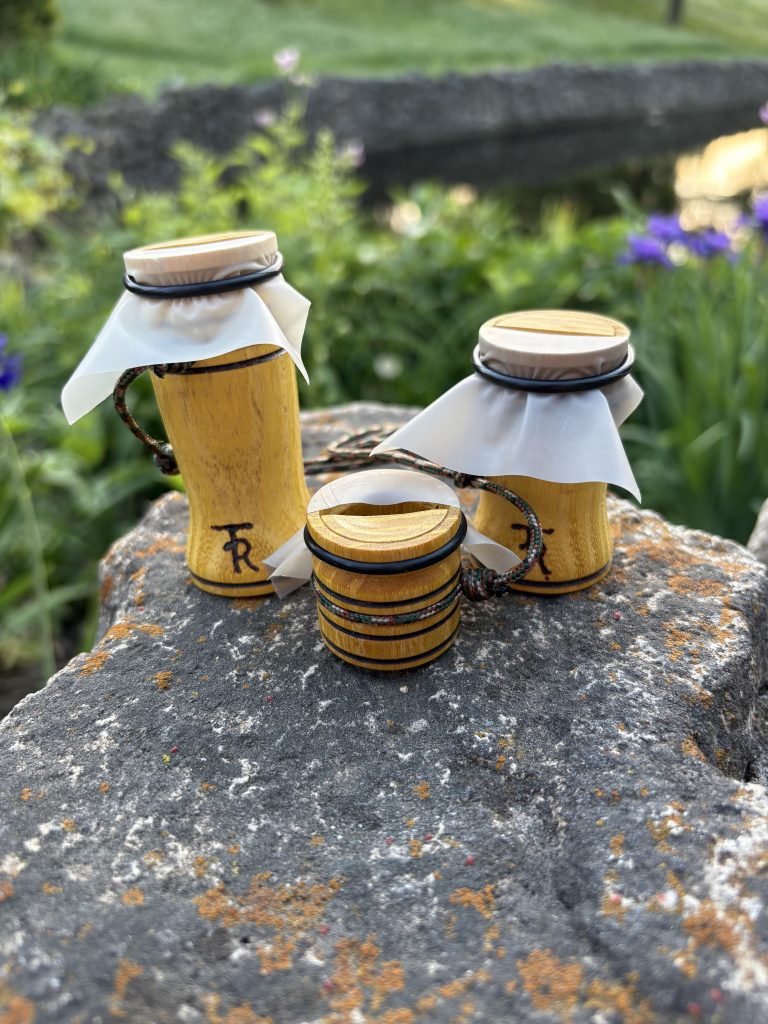
Tube calls are nothing new. They have a long, rich history, and their old-school charm adds to their lovable reputation and common use in the turkey woods by seasoned hunters. Custom and commercial call makers have been churning out excellent tube calls in all shapes, styles and materials for decades.
Some recent custom-call examples include Kevin Rouse, of Bent Creek Wingbones, who won the Grand National Hunting Division Category 29 (Tube Calls) in 2026. He was also in the top five the two years before, with a fifth-place finish in 2025 and a third-place finish in 2024. Another standout is award-winning custom call maker Jeff Jones, of Tucker Ridge Custom Turkey Callers, who offers a unique baffled-tube call design in various sizes.
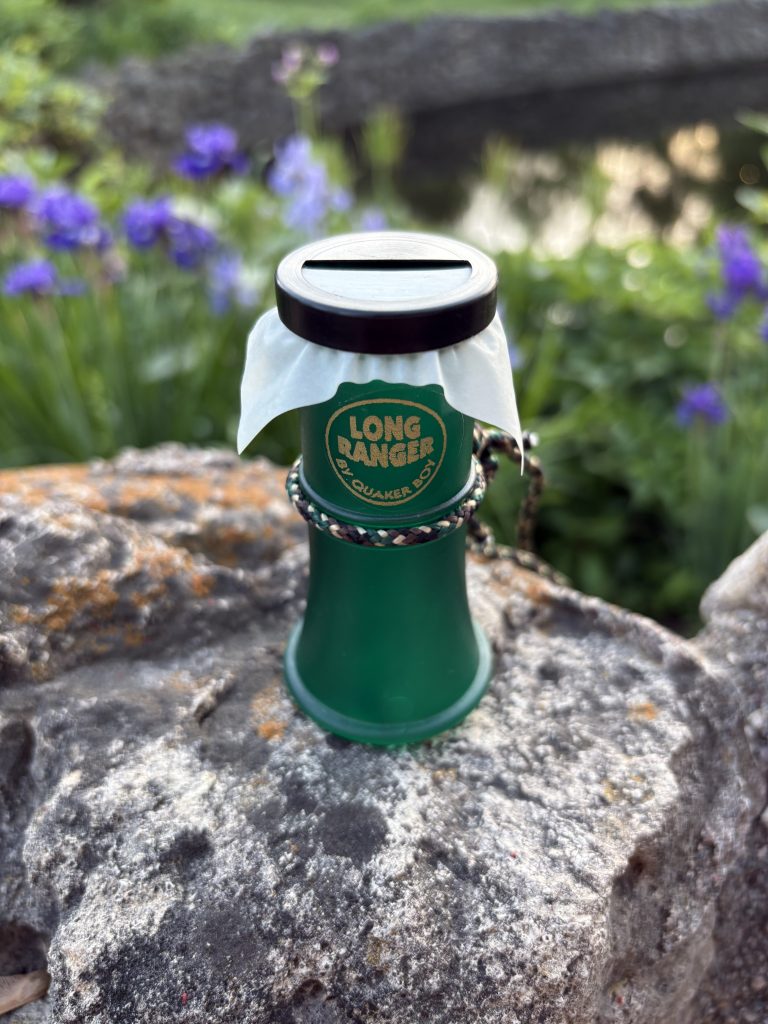
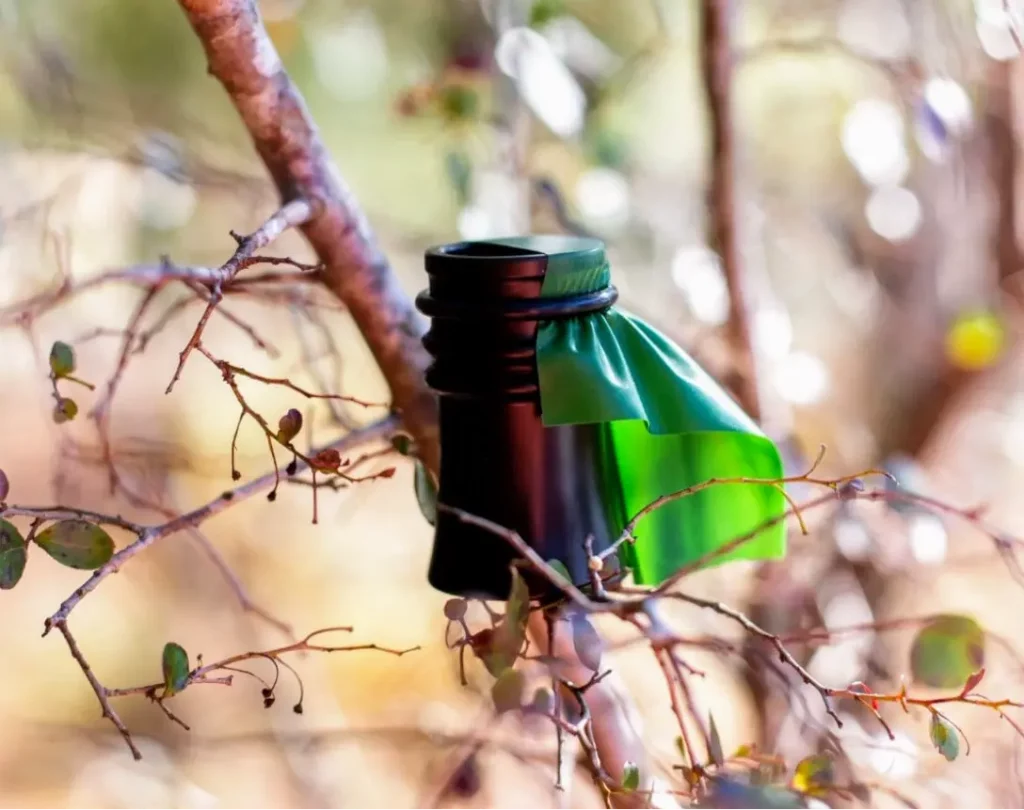
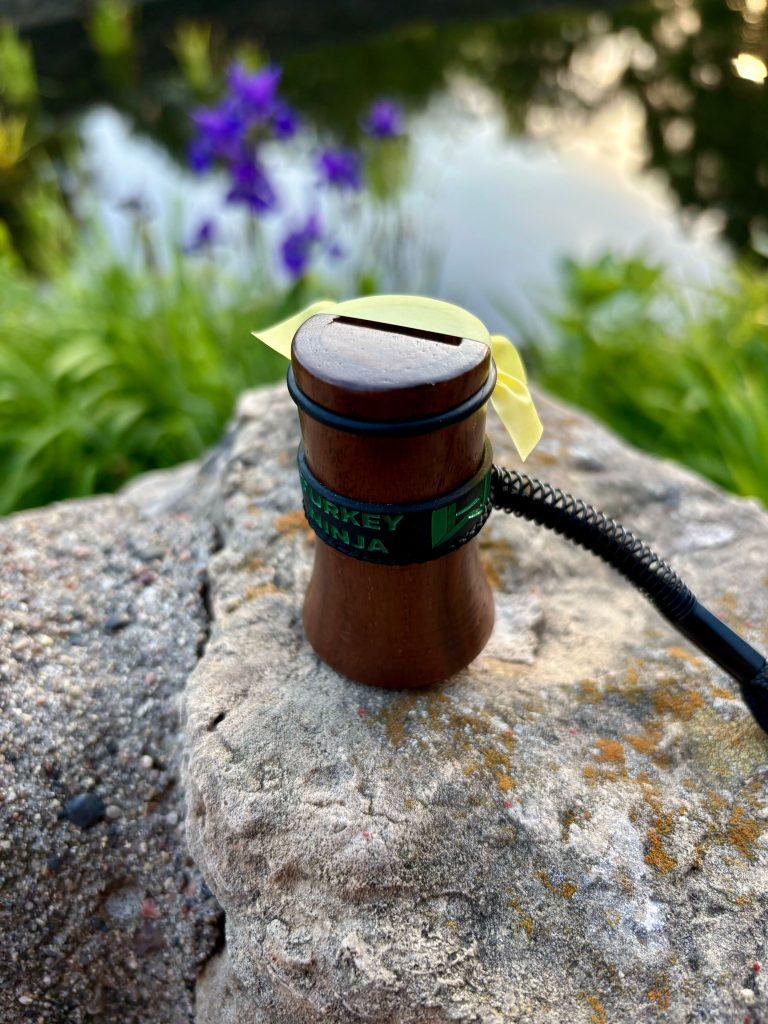
An additional reason for their popularity might be that tube calls are also offered by larger-volume turkey call producers. Two mainstream examples are Woodhaven Custom Calls’ Ninja Tube and the Longer Ranger from Quaker Boy — a classic brand that just celebrated its 50th anniversary. 17-time Grand National Calling Championships winner Mark Prudhomme also designs and makes tube calls for The KT Team.
Tube calls are versatile. They can produce everything from soft, subtle clucks and purrs to incredibly loud cutting, raspy yelps, and loud, aggressive, realistic gobbles. Plus, tube calls sound different from other calls, which can always be an advantage for striking a stubborn gobbler. Given those qualities and the other reasons mentioned, it’s understandable why tube calls are well loved and popular.