The North American Model of Wildlife Conservation: A Foundation Built to Last
As the National Wild Turkey Federation concludes its 2026 Conservation Week, it is worth looking back at the most influential conservation framework: The North American Model of Wildlife Conservation.
The model is built on a simple but powerful idea: wildlife belongs to everyone, and its management should ensure healthy populations and wild places remain for generations to come. However, that philosophy was not always the standard.
In the early years of the United States, few laws protected fish and wildlife. Market hunters could take animals with little restriction, while expanding agriculture, roads and development steadily consumed habitat. Wildlife populations paid the price.
The dramatic declines of species such as wild turkeys, white-tailed deer and bison helped spur hunters, anglers, conservationists and other leaders to rethink how wildlife should be managed. They advocated for laws, funding and science-based management, helping establish the conservation system that exists today.
Landmark legislation provided some of the foundation. The Migratory Bird Treaty Act of 1918 established important protections for migratory birds, while the Wildlife Restoration Act of 1937 and Sport Fish Restoration Act of 1950 created a way for hunters, recreational shooters and anglers to directly contribute to conservation through excise taxes on equipment and boating fuels. Today, those programs are commonly known as the Pittman-Robertson and Dingell-Johnson acts.
Since 1937, these excise taxes have generated billions of dollars for wildlife and habitat conservation. Funds are returned to states and territories to support projects ranging from habitat restoration and wildlife management to public access, hunter education and shooting ranges. The benefits extend far beyond those who pay the taxes, helping provide healthy wildlife populations and outdoor opportunities for everyone.

But the North American Model is about more than funding. It is a philosophy built around seven tenets that shape how wildlife is viewed and managed across the continent.
1. Wildlife as a Public Trust — Wildlife is held in trust for everyone. It is managed so current and future generations can experience healthy populations and wild places.
2. Elimination of Markets for Game — Restricting commercial markets for wild game helps prevent wildlife from becoming a commodity vulnerable to exploitation, protecting populations from the type of unregulated harvest that contributed to historic declines.
3. Allocation of Wildlife by Law — Wildlife is managed through laws and regulations developed by the public and enforced by state and federal agencies. These rules provide the foundation for sustainable hunting, fishing and other uses of wildlife.
4. Valid Purpose for Taking Wildlife — This tenet reinforces the responsibility that comes with hunting. Wildlife may be legally taken for purposes such as food, self-defense or property protection, but casual killing and wanton waste have no place in a sustainable conservation system. It also reflects principles familiar to hunters, including fair chase, respect for the animal and making full use of harvested game.
5. Wildlife as an International Resource — Wildlife does not recognize boundaries. Birds, fish and other animals move between states, provinces and countries, making cooperation across jurisdictions essential to conservation.
6. Scientific Management of Wildlife — Wildlife decisions are grounded in the best available science. Biologists and managers use population data, habitat information and research to make informed decisions designed to sustain wildlife populations over time.
7. Democracy of Hunting and Fishing — Every citizen should have the opportunity, within the law, to participate in hunting and fishing. Access to wildlife should not be reserved only for those who can afford private land or exclusive access.
Together, these tenets create a system in which wildlife is not simply protected, but actively managed for the future.
For the NWTF, the North American Model is particularly meaningful because it demonstrates that hunting and conservation are not opposing forces. They have been partners from the beginning.

Hunters helped drive many of the reforms that created modern wildlife management. They supported legislation, accepted regulations and contributed billions of dollars through excise taxes and license fees. At the same time, conservation organizations, wildlife professionals, landowners and government agencies worked together to restore habitat and rebuild wildlife populations.
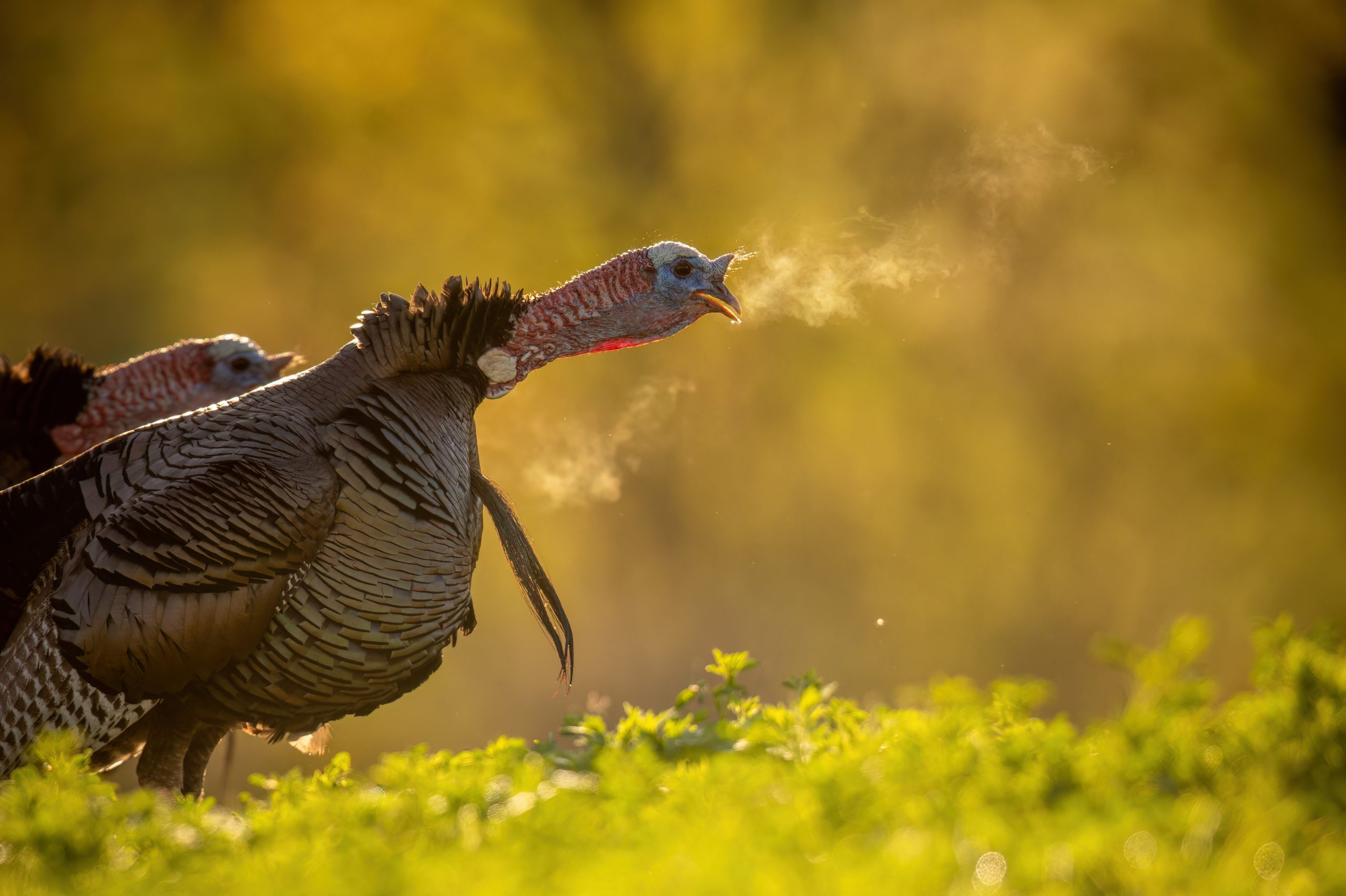
The wild turkey is one of the clearest examples of what that partnership can accomplish. Once reduced to a fraction of its historic abundance, the wild turkey became the focus of one of North America's most celebrated conservation success stories. Restoration efforts, regulated hunting, habitat conservation, research and cooperation among hunters, state and federal agencies and conservation organizations helped return wild turkeys across much of their historic range.
That success did not happen by accident. It happened because people chose to build a system designed to conserve wildlife rather than simply consume it.
Today, the North American Model remains just as relevant. Wildlife populations face new challenges, from habitat loss and fragmentation to changing landscapes and environmental conditions. Meeting those challenges will require the same cooperation, commitment and long-term thinking that helped establish modern wildlife conservation in the first place.
That is why the NWTF is highlighting the North American Model throughout its 2026 Conservation Week. Through a seven-part video series, the NWTF will explore each of the model's seven tenets and what they mean for today's conservationists, hunters and wildlife enthusiasts.
The model is both a reminder of where modern conservation came from and a guide for where it can go next. Because conservation is not simply about conserving wildlife today. It is about ensuring there is wildlife for future generations.