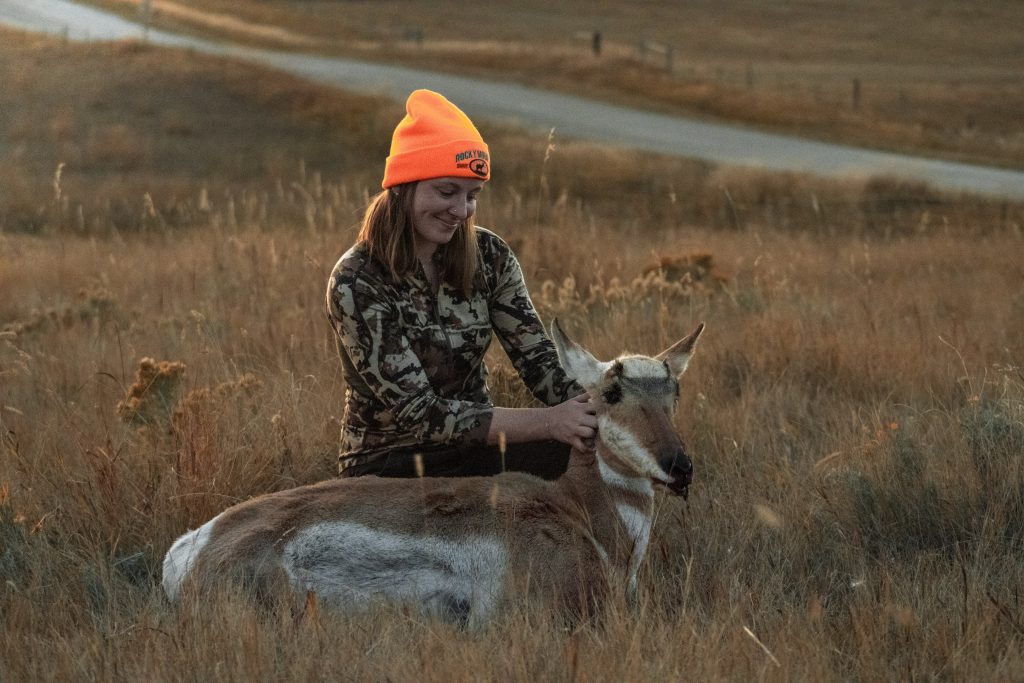
The Great Pronghorn Debate: Is It Good Eating?
When you head out onto the rolling hills of sagebrush or grasslands and glass that “speed-goat” pronghorn half a mile away, your heart might just skip a beat. But as you plan your stalk and steady your shot, one question often creeps in afterward: Is pronghorn good eating? The answer is, well, delightfully complicated.
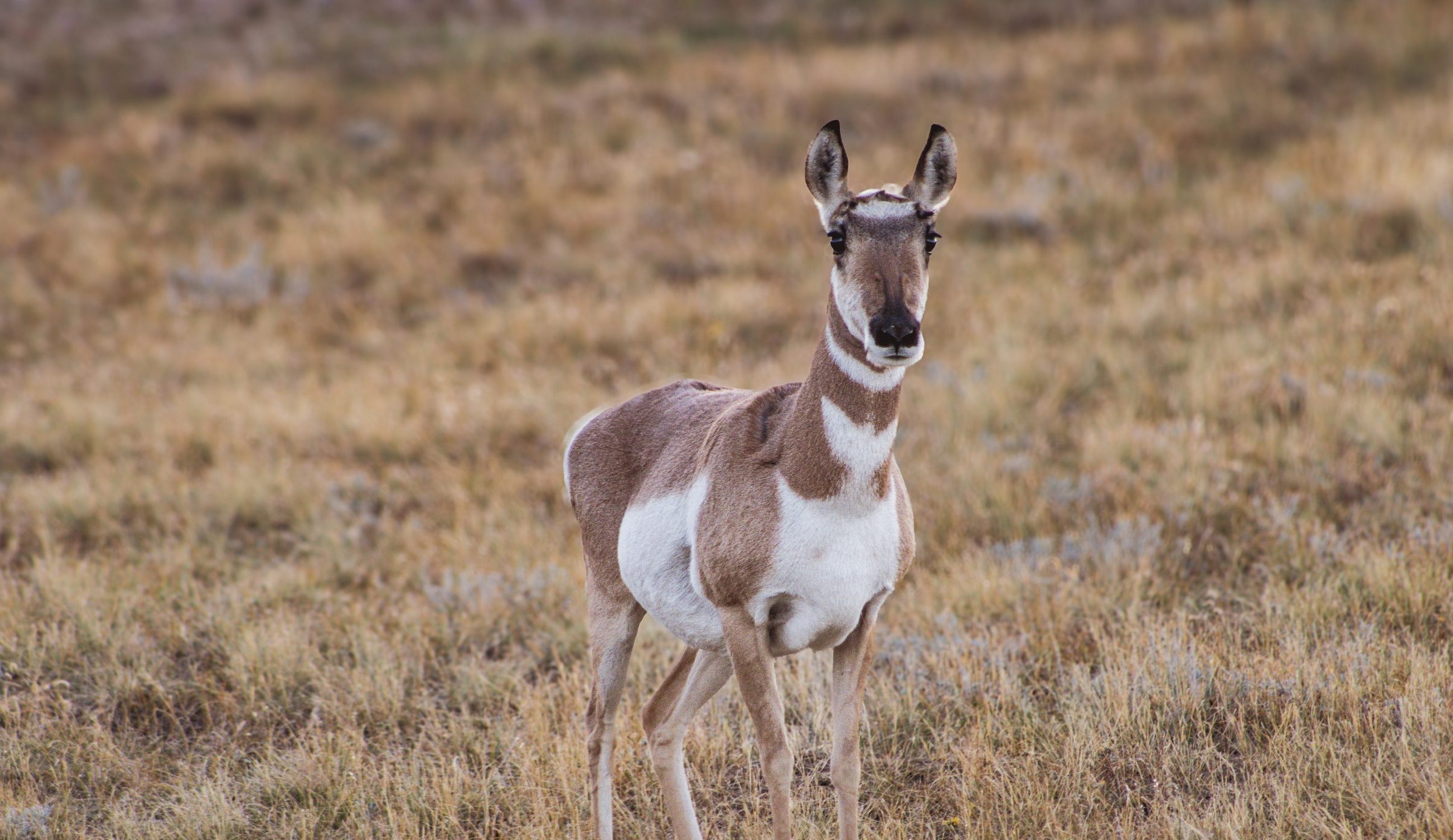
Pronghorn, native to North America, are an icon of our country’s great open spaces. Despite being nicknamed “antelope” or “speed-goat,” this one-of-a-kind species isn’t a true antelope or goats — they’re the sole living members of the Antilocapridae family. Interestingly, their closest living relatives are the giraffe and okapi. Known for their speed and keen eyesight, pronghorn present hunters with incredible spot-and-stalk hunting opportunities.
Pronghorn habitat lends itself to long days afield. Unlike many big game hunts, you’re just as likely to fill a tag at midday as you are at sunrise or sunset. The variability of opportunity is what keeps hunters coming back. Because pronghorn often roam widely and react quickly, be ready to move. Many hunters end up hiking significant distances just to close the gap, especially on public ground where pressure or shifting herds complicate things. With their sharp eyes and open terrain, success often comes down to a good set of binoculars and a willingness to hike.
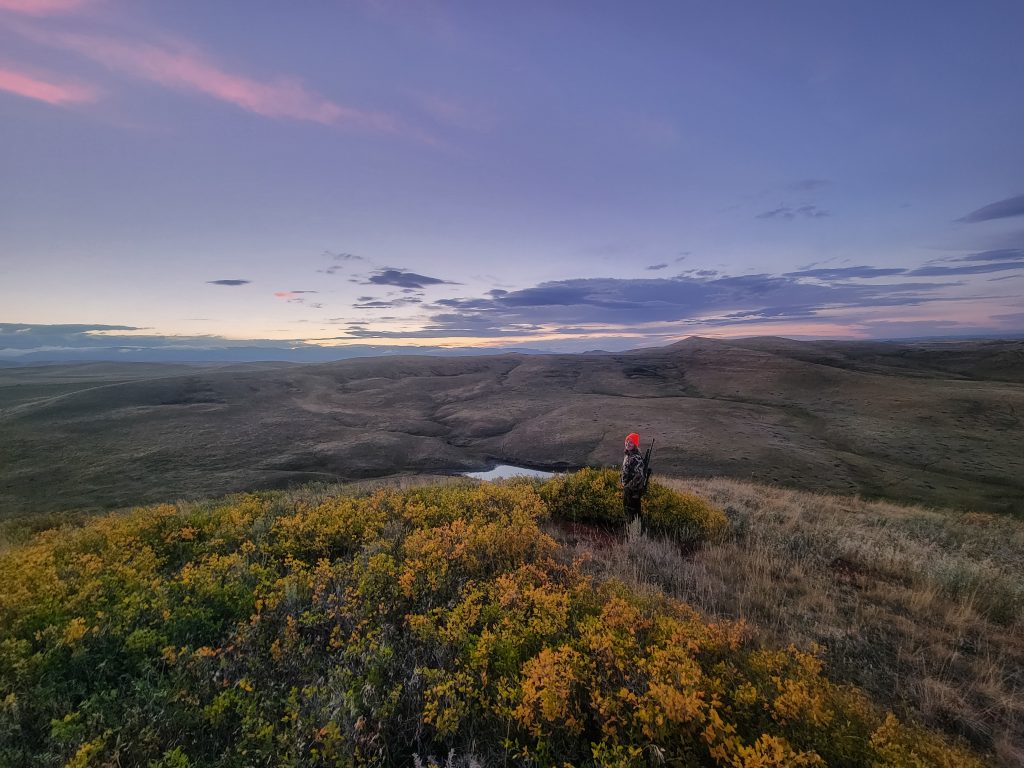
Smaller than deer, pronghorn typically weigh in at 90 to 135 pounds, yielding roughly 25 to 40 pounds of processed meat. Pronghorn tags are often less expensive than other big game, making them a great value for hunters looking to fill freezers.
Yet as quietly as pronghorn fit into our western landscapes, they stir a louder culinary debate: is pronghorn meat a delicacy or a disappointment?
Ask around in the hunting camps and you’ll hear some hunters say pronghorn is “too gamey” or complain that a sagebrush-heavy diet gives the meat an off flavor. Others will look at you sideways and insist they prefer pronghorn over venison or even elk.
Of course, it comes down to personal preferences; however, as someone who counts pronghorn among my favorite wild game meats, I can say the difference often comes down to how the animal is handled field to fork.
Let’s break down why opinions diverge so sharply.
Field Care: The Make-or-Break Step
If there’s one thing to remember on your first pronghorn hunt, it’s this: cool your meat as quickly as possible.
Pronghorn seasons typically occur early in the year when temperatures are higher. Unlike a late-season deer hunt, where you might gut the animal and haul it home before processing, pronghorn demand a more immediate approach. Quarter the animal in the field and get the meat on ice right away.
Be prepared before you leave the truck:
- Keep knives and butchering tools in your pack.
- During cleaning, take extra care to keep the meat free from hair and gut contents to preserve its quality.
- Have a pre-cooled cooler with ice ready.
- Don’t wait to buy ice after the hunt — anticipate success.
A little preparation goes a long way toward ensuring your meat stays clean, cool and flavorful.

Kitchen Technique Matters
Pronghorn meat is extremely lean, which means it can dry out quickly if it is overcooked. This is where many critics go wrong.
To make the most of your harvest:
- Avoid overcooking — medium rare is typically ideal.
- Use moisture-retaining methods such as marinating, slow cooking or moist heat.
- Grind lower-quality cuts with pork or beef fat to create versatile ground meat for tacos, burgers and endless other recipes.
- Pair pronghorn with flavors that highlight its natural sweetness and subtle tang — think rosemary, thyme, juniper berries or a fruit-based sauce.
Handled and cooked properly, pronghorn delivers a uniquely Western flavor profile unlike any other wild game.
So … Is Pronghorn Good Eating?
Short answer: yes, if you treat it right. It’s not guaranteed — mishandling in the field or kitchen can turn it from delightful to disappointing. There are also individual differences from animal to animal that can affect the flavor of the meat. But in the best-case scenario, pronghorn offers a lean, flavorful, distinctly Western wild meat experience that deserves a place in your freezer.
If you’re on the fence, I encourage you to hunt one, care for it well and cook it carefully and form your own opinion. After all, that’s part of the fun in being a sportsman or woman.