Spring Foraging: What to Look for Where You Hunt
Spring turkey season offers more than just early morning gobbles — it’s one of the best times of year for foraging wild foods across much of the United States. As forests green up and soil temperatures rise, a wide range of edible plants and mushrooms begin to emerge. For hunters already spending time in the woods, spring foraging becomes a natural extension of the hunt and another way to read the landscape and make the most of every trip afield.
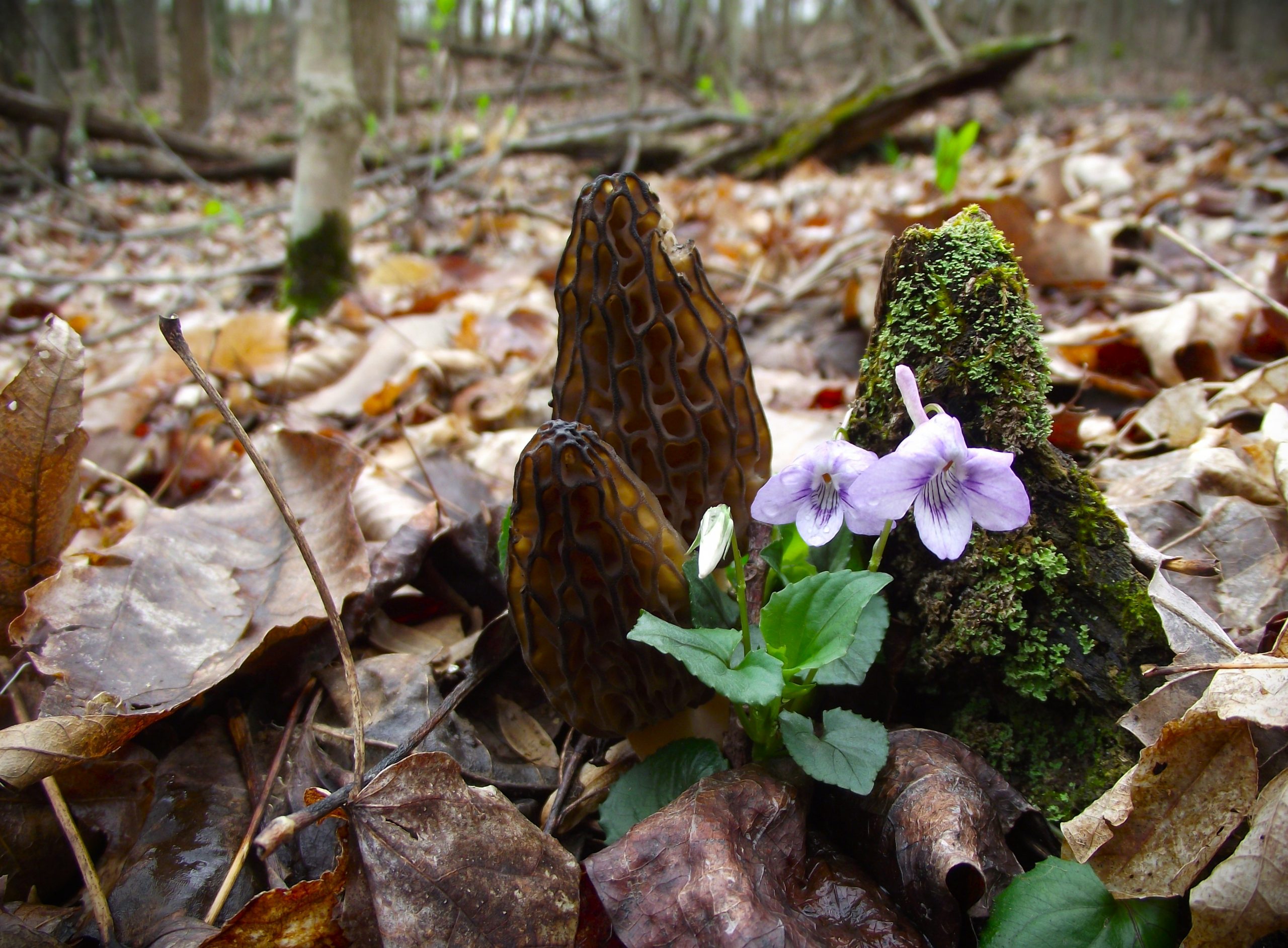
For many hunters and conservationists, this connection is especially clear. The same habitats that support wild turkeys in the spring, such as open hardwoods, field edges, creek bottoms and recently disturbed areas, also produce some of the most sought-after wild edibles of the year. Whether you’re walking a ridge after a morning hunt or slipping along a shaded creek bottom, opportunities to forage are often right underfoot. While this is not a guide for identifying wild edibles, the information below is a great starting point to learn about what the spring has to offer.
Spring Staples Found Across Much of the U.S.
Morel Mushrooms
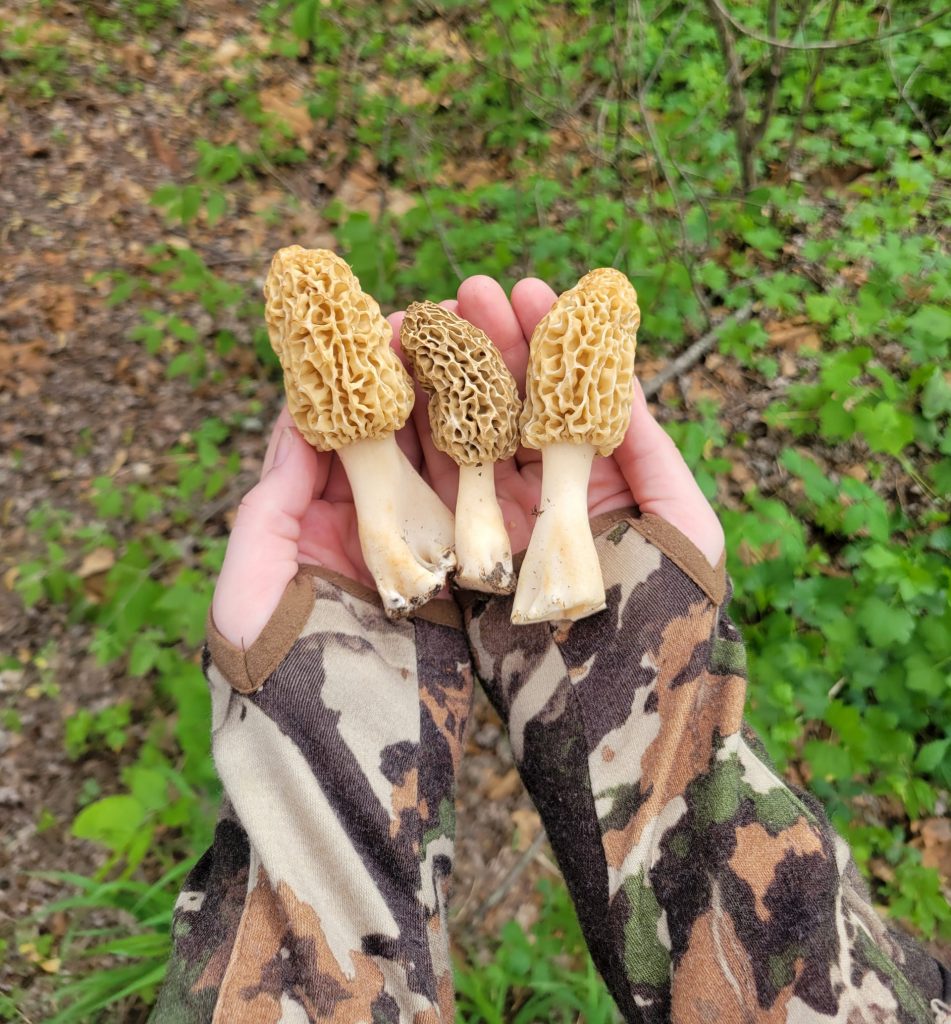
Across much of the country, a handful of species stand out as reliable spring staples. Morel mushrooms are at the top of the list and widely considered the crown jewel of spring foraging. These highly prized mushrooms begin to appear as soil temperatures warm, often coinciding with peak turkey season. Hunters can find morels near hardwood trees like oak, elm and ash, especially on south-facing slopes early in the season before shifting to cooler, north-facing aspects later in the spring. In Western states, morels are also commonly found in recently burned areas, where disturbance creates ideal growing conditions. For many, a successful day in the spring woods might include both a close encounter with a gobbler and a handful of morels tucked into a vest pocket.
Spring Greens
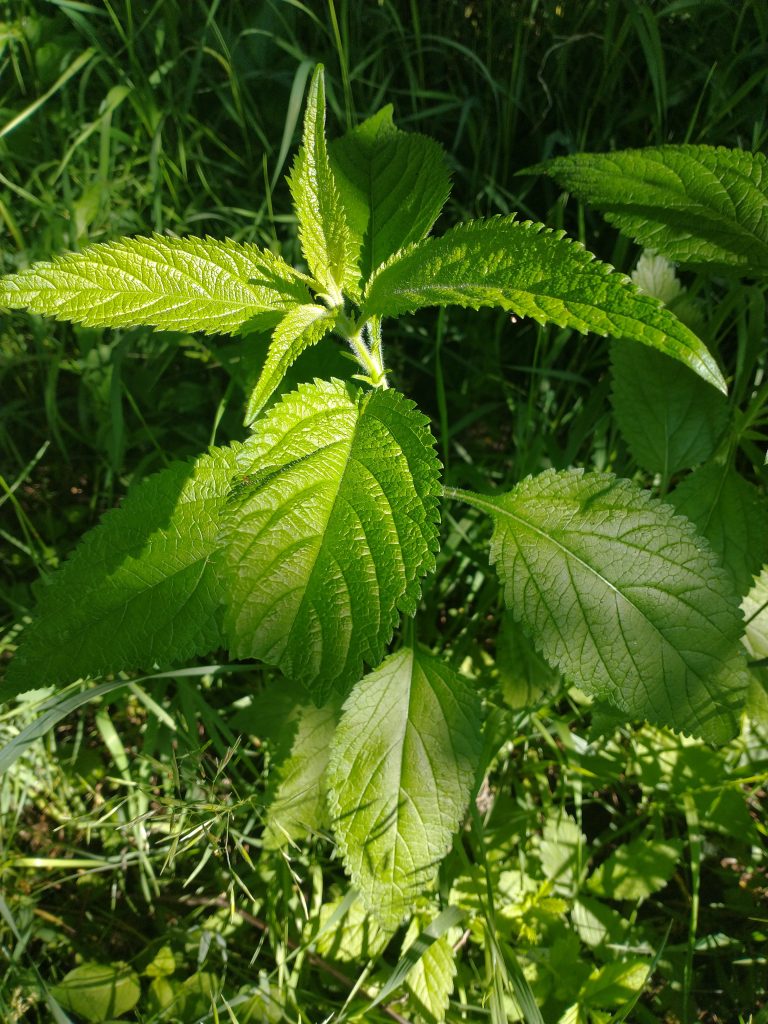
In addition to mushrooms, spring greens are abundant and easy to incorporate into meals. Stinging nettles are one of the most nutrient-rich wild greens available and are commonly found in moist soils along creek bottoms, shaded timber edges and other fertile areas. When harvested young and properly prepared through cooking or drying, nettles offer a mild, spinach-like flavor.
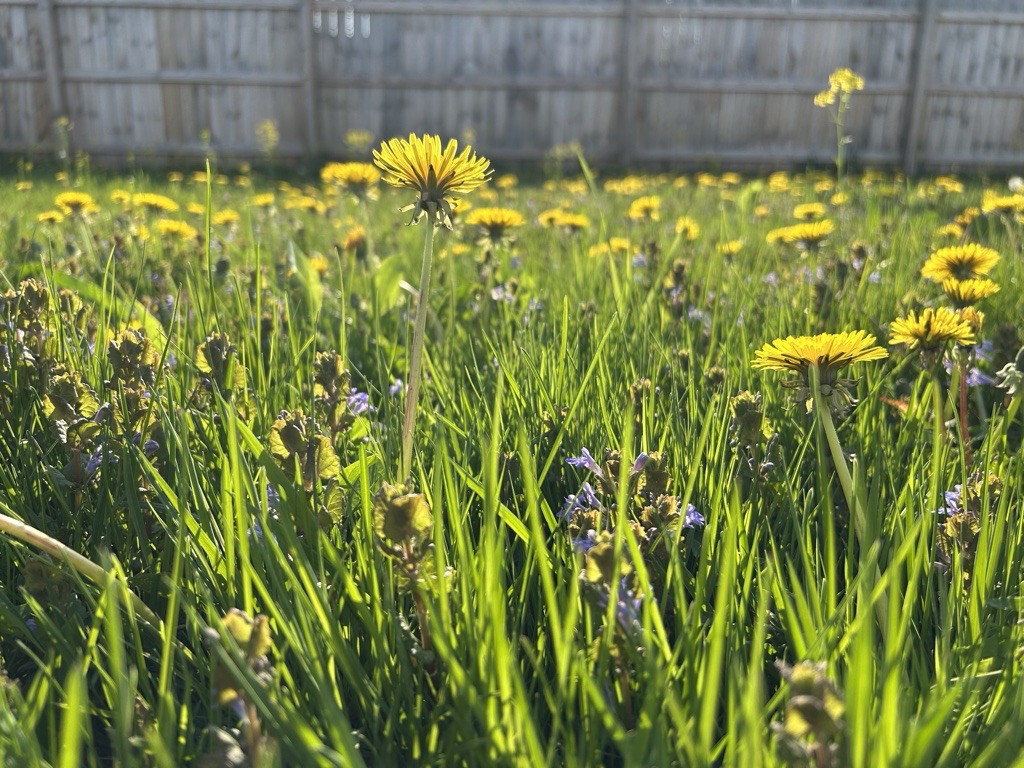
Dandelion is another widely available and often overlooked plant that can be found in fields, forest openings and even backyards. Its young leaves are best before flowering and can be used fresh or cooked, while the roots and flowers offer additional uses.
If you’re foraging close to home or in developed areas, it’s important to be mindful of potential contaminants such as pesticide use, pet waste and roadside debris.
Wild Asparagus
Wild asparagus is another favorite among experienced foragers and often grows along fence lines, ditches and old homesteads. Appearing in April and May depending on location, these tender spears return to the same locations year after year, rewarding those who take the time to learn where to look.
Pine and Fir Needles
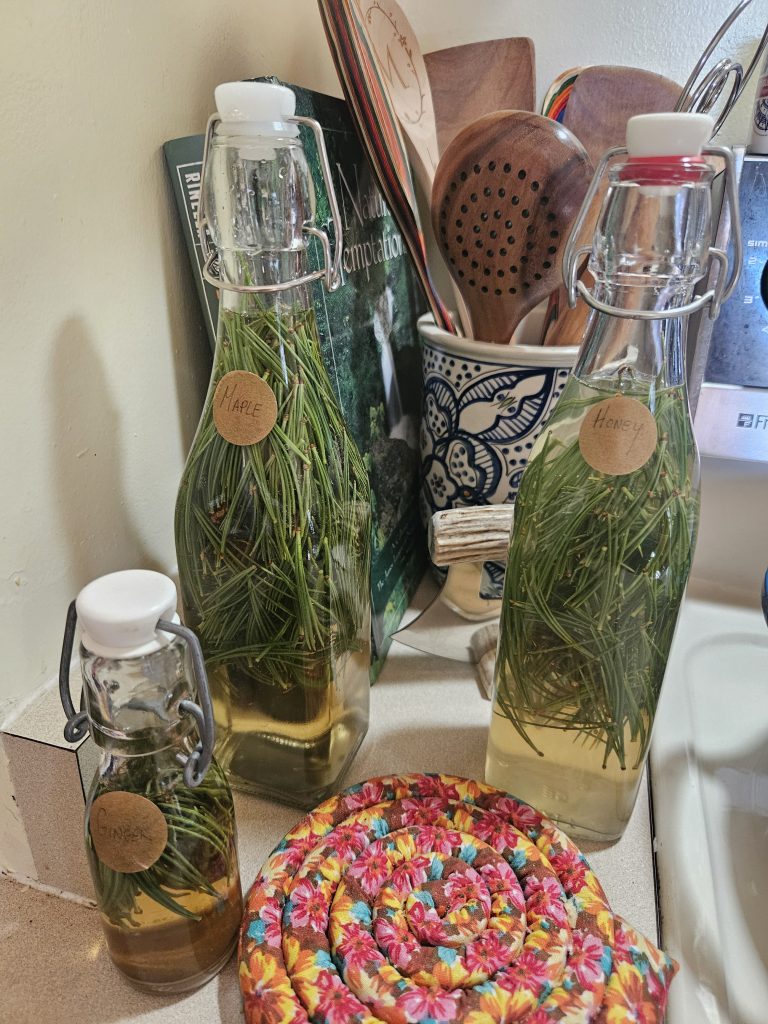
While not a food source on their own, some pine, fir and spruce species still offer a useful spring resource. Young, bright green needles can be brewed into a tea rich in vitamin C. They can also be fermented into a lightly sweet “pine needle soda” with the addition of honey or incorporated into baked goods for a subtle, citrus-like flavor. Spruce tips are another excellent wild edible, offering a bright, citrusy flavor that can be candied into a unique herbal treat. Harvesting them can also serve a practical purpose, helping to lightly prune overgrown trees where needed. Common options include Eastern white pine, red pine, Scots pine and Douglas fir.
Regional Finds
While these staple species can be found across broad portions of the country, regional differences shape what is most available and when.
Midwest
In the Midwest, spring foraging is closely tied to classic turkey hunting landscapes. Open hardwood forests and agricultural edges provide ideal conditions for morel mushrooms, wild asparagus and edible plants like violets. South-facing slopes tend to produce early in the season, while oak and elm stands remain consistent producers year after year. These same habitats are often the result of active forest management and edge creation — key components in supporting strong turkey populations.
Southeast
In the Southeast, the pace of spring is faster, and the foraging window opens earlier. As temperatures rise, tender greenbrier shoots emerge, offering a crisp, asparagus-like vegetable commonly found along field edges and logging roads. Chickweed thrives in shaded, disturbed soils and provides a mild, versatile green. By late May, dewberries and early blackberries begin to develop, particularly in areas influenced by disturbance such as prescribed fire or timber harvest. These early successional habitats are essential not only for plant diversity but also for brood-rearing turkeys, making them some of the most productive areas on the landscape.
Northeast
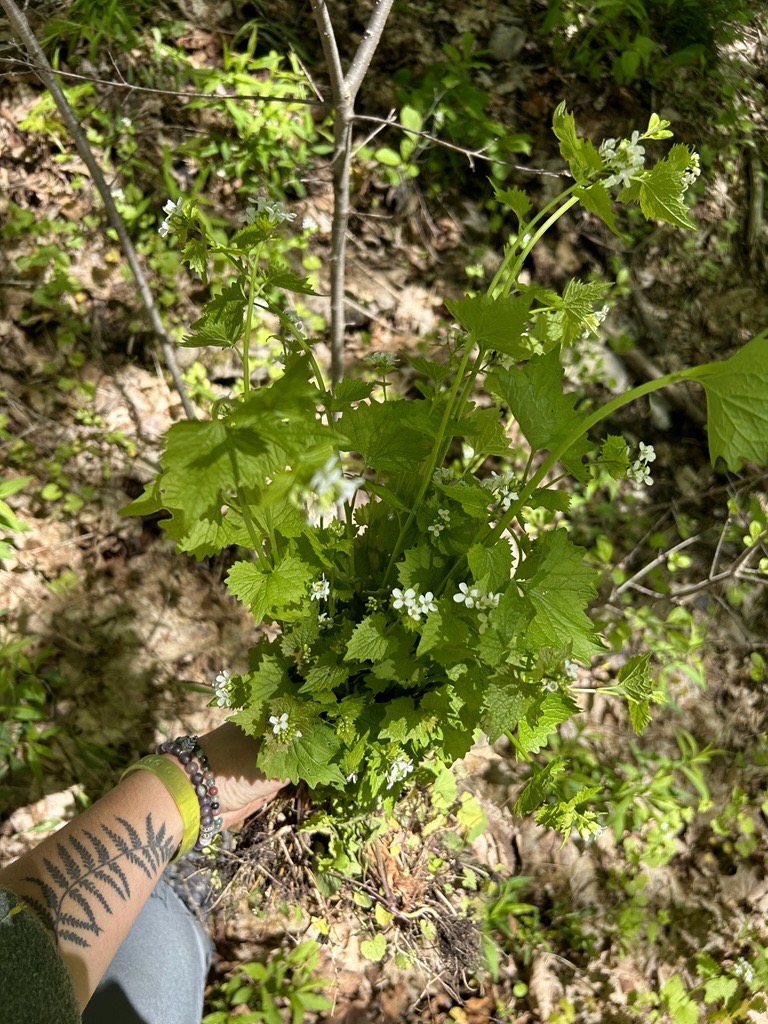
The hardwood forests that dominate the Northeast seem to come alive overnight when spring arrives, offering a bounty of forageable greens and mushrooms. In recent years, these same forests have been plagued with invasive species, like garlic mustard. Although the small, white flowers add a pop of color to the understory, they are destructive. But they are also edible and are known to make pesto. The ideal time to harvest garlic mustard is when the flowering stalks have grown flower buds at the top of the plant. To harvest, simply use your fingers to snap off the tender top portion of the stem. It is important to put any harvested garlic mustard in a bag or container to prevent seeds from being spread to other areas of the forests.
West
Out West, including both the Northwest and Southwest, spring foraging is often more dependent on moisture, elevation and disturbance. Morel mushrooms are frequently associated with burn scars from previous wildfire seasons, where nutrient-rich soils create ideal conditions for growth. In both regions, early-season greens and young pine needles can be found, particularly near riparian areas, seeps and shaded draws where moisture lingers longest. Because resources are more scattered, success often comes down to understanding the landscape and key environmental factors rather than relying on abundance alone.
A Note on Timing
It’s also important to recognize that not everything visible in the spring woods is ready to harvest. Pawpaws, pine nuts, juniper berries and many berry varieties are all valuable wild foods, but they mature later in the year, typically from late summer into fall. Spring is the ideal time to locate and remember these plants, setting up future opportunities later in the season.
As with any outdoor activity, responsible and ethical foraging practices are essential. Proper identification is critical, as some edible plants have toxic lookalikes. Always consult a field guide or expert before consuming wild foods; the NWTF does not recommend consuming wild plants or mushrooms without proper training. Foragers should also always follow local regulations, especially on public lands, and harvest in a way that ensures sustainability — taking only what is needed and leaving enough for regeneration and wildlife.
Spring foraging adds another dimension to time spent in the turkey woods. It encourages a slower pace, a sharper eye and a deeper understanding of the land. Whether gathering morels after a morning hunt or noticing fresh greens along a familiar trail, it reinforces a simple truth: healthy habitats provide more than one kind of opportunity, and caring for those landscapes benefits everything that depends on them.