Senator Justice Introduces GROUSE Act
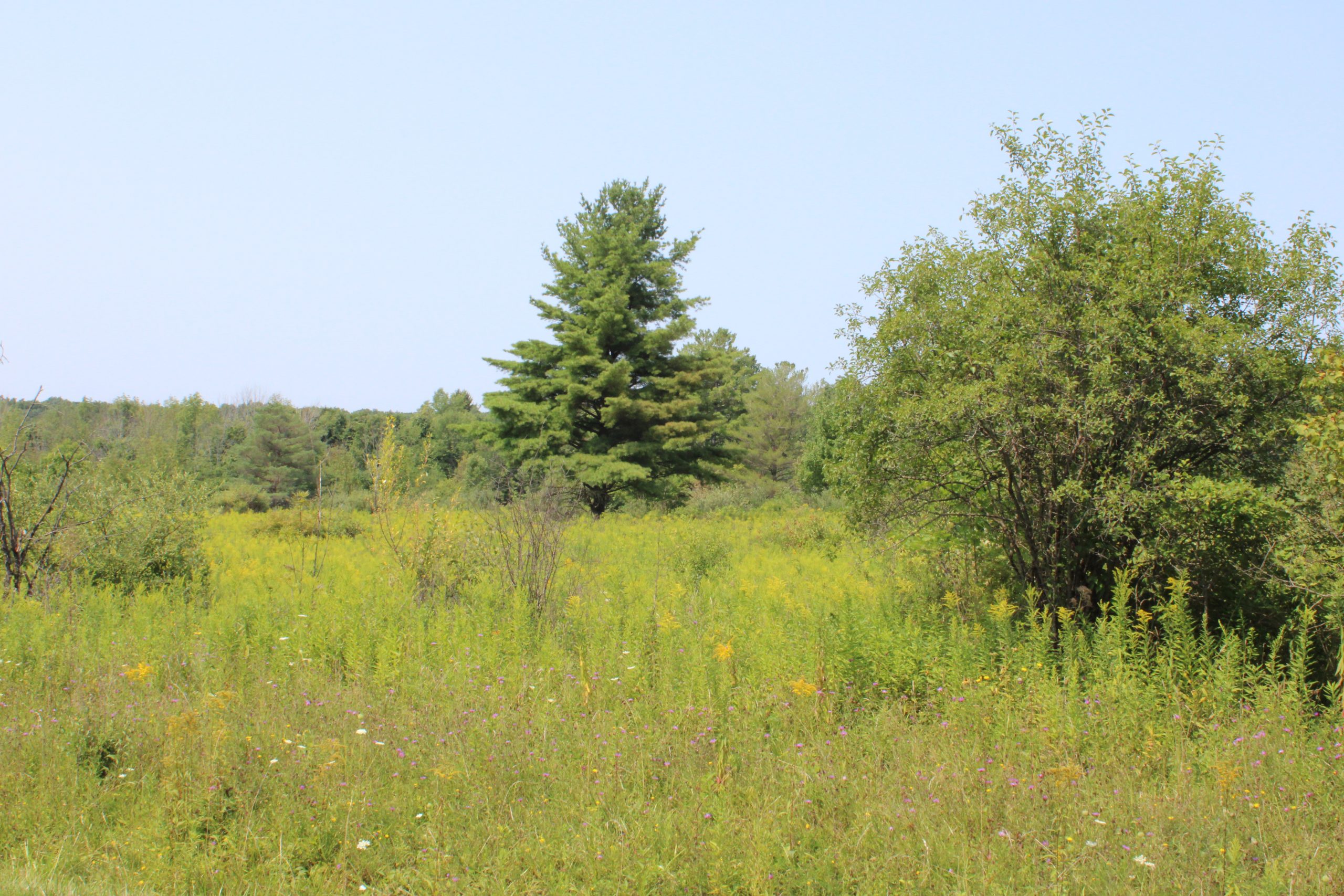
Last week, Senator Jim Justice introduced the Growing and Restoring Operational Upland Species Ecosystems (GROUSE) Act of 2026. The GROUSE Act would reimburse forest landowners 75% of the costs of habitat restoration activities, incentivizing the establishment of vegetation, including native soft-mast trees and shrubs, and other vegetation in early successional habitats.
Here is what conservation leaders are saying about the act:
“Healthy wild turkey populations depend on quality forest habitat at every stage of their life cycle, from safe roostingareas to productive nesting cover and diverse brood‑rearing habitat. The Growing and Restoring Operational Upland Species Ecosystems Act of 2026 would help private forest landowners restore native vegetation following timber “Healthy wild turkey populations depend on quality forest habitat at every stage of their life cycle, from safe roosting areas to productive nesting cover and diverse brood‑rearing habitat. The Growing and Restoring Operational Upland Species Ecosystems Act of 2026 would help private forest landowners restore native vegetation following timber harvests and natural disturbances. By incentivizing early successional habitat and native plantings, this legislation will directly benefit wild turkeys and other upland wildlife while strengthening working forests and rural economies. We strongly support this commonsense, habitat‑focused approach to conservation,” said Matt Lindler, Director of Government Affairs, National Wild Turkey Federation.
"Healthy upland habitat is essential for a wide range of wildlife across the country. We support voluntary, incentive-based restoration efforts that empower landowners to manage working forests for the mutual benefit of wildlife and forest health. The Association looks forward to collaborating with Senator Justice to ensure the GROUSE Act delivers real, lasting conservation results,” said Paul Johansen, Chief of the Wildlife Resources Section of the West Virginia Division of Natural Resources and President of the Association of Fish & Wildlife Agencies.
“The West Virginia Forestry Association strongly supports the GROUSE Act because it recognizes a fundamental truth too often overlooked in conservation policy: active forest management and sustainable timber harvesting are essential tools for restoring healthy grouse habitat and maintaining diverse, resilient forests. Early successional habitat created through responsible harvesting is critical for grouse and countless other wildlife species that depend on young forest conditions,” said James Smith, Executive Director, West Virginia Forestry Association.
“The Ruffed Grouse Society & American Woodcock Society applaud Senator Justice for introducing the GROUSE Act of 2026. This legislation represents a meaningful step forward for upland wildlife conservation by creating incentives for private forest landowners to restore early successional habitat following commercial timber harvests and natural disasters. RGS & AWS have long championed active forest management as a cornerstone of healthy forest ecosystems. Healthy ruffed grouse and American woodcock populations are indicators of healthy forests, and healthy forests benefit countless wildlife species and the hunters, anglers and outdoor enthusiasts who depend on them,” said Mark Hatfield, Chief Conservation & Operations Officer, Ruffed Grouse Society & American Woodcock Society.
“Early successional habitat is critically important for bobwhite quail and other wildlife that rely on native grasses, shrubs, and young forest conditions. PF & QF thank Senator Justice for championing voluntary, incentive-based conservation efforts like the GROUSE Act that restore and enhance wildlife habitat on working lands, benefitting hunters, forest landowners, and rural communities,” said Andrew Schmidt, Director of Government Affairs for Pheasants Forever and Quail Forever.
“Ruffed grouse populations have suffered from less and lower-quality habitat for decades. The GROUSE Act would incentivize improved habitat in working forests, supporting grouse, grouse hunters and dozens of other wildlife species. We appreciate Senator Justice’s commitment to conservation, and we look forward to seeing the GROUSE Act included in a strong, bipartisan Farm Bill,” said Aaron Field, TRCP director of private lands conservation.
“The GROUSE Act is a smart investment in wildlife habitat and hunting opportunity. By helping landowners restore native vegetation and early successional habitat after logging, this bill will benefit species while supporting healthier working forests across the country,” said Ryan Callaghan, CEO of Backcountry Hunters & Anglers.
“The GROUSE Act of 2026 offers incentives to forest landowners to replant their recently logged lands in ways that restore habitat for upland wildlife. Thank you to Senator Justice for introducing legislation that supports landowners and local economies, and creates opportunities for widescale, sustained conservation. This bill rightly takes a wildlife success story from West Virginia to the rest of the country,” said Aviva Glaser, senior director for agriculture policy at the National Wildlife Federation.
“Early successional habitats are critical for a wide range of wildlife species, from neotropical golden-winged warblers to game birds like the ruffed grouse. After a timber harvest or a natural disaster, the value of the habitat for wildlife depends on the structure and composition of the regenerating forest. We thank Congressional Sportsmen’s Caucus Member Senator Justice for introducing the Growing and Restoring Operational Upland Species Ecosystems Act of 2026 to encourage landowners to restore forests with wildlife-beneficial woody species, and we look forward to working with Congress to advance the GROUSE Act to improve wildlife habitat and opportunities for sportsmen and women,” said John Culclasure, Director of Forest Policy, Congressional Sportsmen’s Foundation.