See Conservation in Action Across the Great Plains
Across the Great Plains, the National Wild Turkey Federation and its partners are working to restore forests, protect waterways, improve wildlife habitat and conserve the landscapes that support both wildlife and people. Through Waterways for Wildlife and other conservation efforts, that work is taking place in wildlife management areas, along rivers and streams, across prairies and in some of the places people go to hunt, fish and explore.
This Conservation Week, take a closer look at some of these projects happening across the region. These are places where conservation can be seen on the ground, from native vegetation returning to a restored landscape to healthier riparian corridors and forests opened up for wildlife.
Here are several places across the Great Plains where you can see conservation in action.
Disclaimer: The project locations included in this article are situated on public lands that may be open to a variety of recreational uses, including hunting. Before visiting, always check the specific rules, regulations, season dates and access requirements for the property you plan to explore. Visitors should also be aware that hunting activities may be occurring and are encouraged to wear appropriate safety colors when applicable, remain mindful of other users, and recreate responsibly. Conditions, access restrictions and regulations can vary by property and may change throughout the year.
Kansas: Jamestown Wildlife Area
For more than two decades, NWTF and the Kansas Department of Wildlife and Parks have worked together to improve habitat at Jamestown Wildlife Area in north-central Kansas.
Located in Republic and Cloud counties, the wildlife area encompasses upland, riparian and wetland habitats that support a diversity of wildlife. Conservation work has included removing invasive eastern red cedar and Russian olive, restoring native grasses and forbs and expanding the use of prescribed fire.
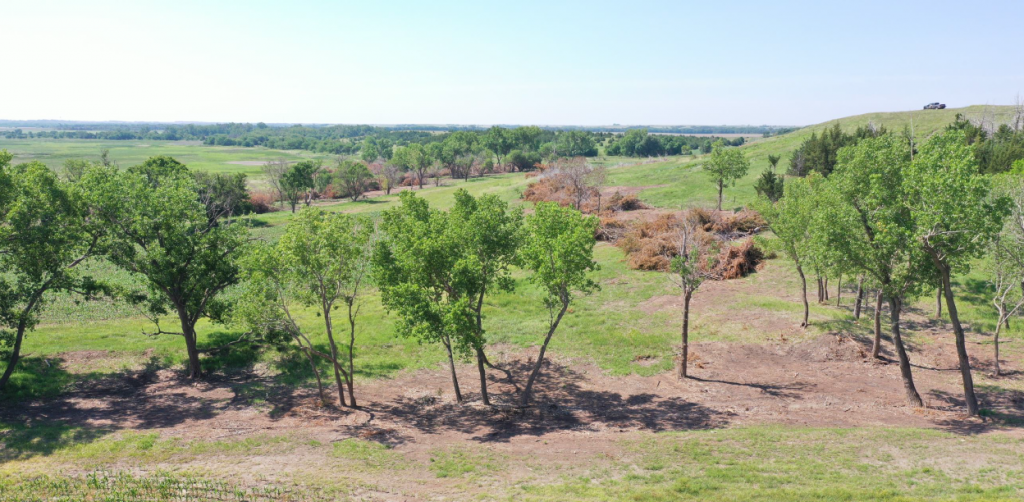
More recently, NWTF has supported two Waterways for Wildlife grants that brought together KDWP, Ducks Unlimited, the U.S. Fish and Wildlife Service and FarWide Conservation Trust to acquire 181 acres along Buffalo Creek, adding important habitat to the wildlife area.
The work at Jamestown demonstrates how conservation can build over time. Habitat restoration, land acquisition and partnerships can work together to make a wildlife area stronger for the species and people who depend on it.
Montana: Lee Metcalf National Wildlife Refuge
At Lee Metcalf National Wildlife Refuge, restoration along North Burnt Fork Creek is focused on improving a riparian corridor that has experienced significant habitat loss. The creek is one of the largest tributaries to the Bitterroot River, but approximately 40% of its drainage has been classified as having low riparian cover.
The project will improve habitat along a half-mile stretch of North Burnt Fork Creek and seven acres within the refuge through weed removal and planting native shrubs and trees.
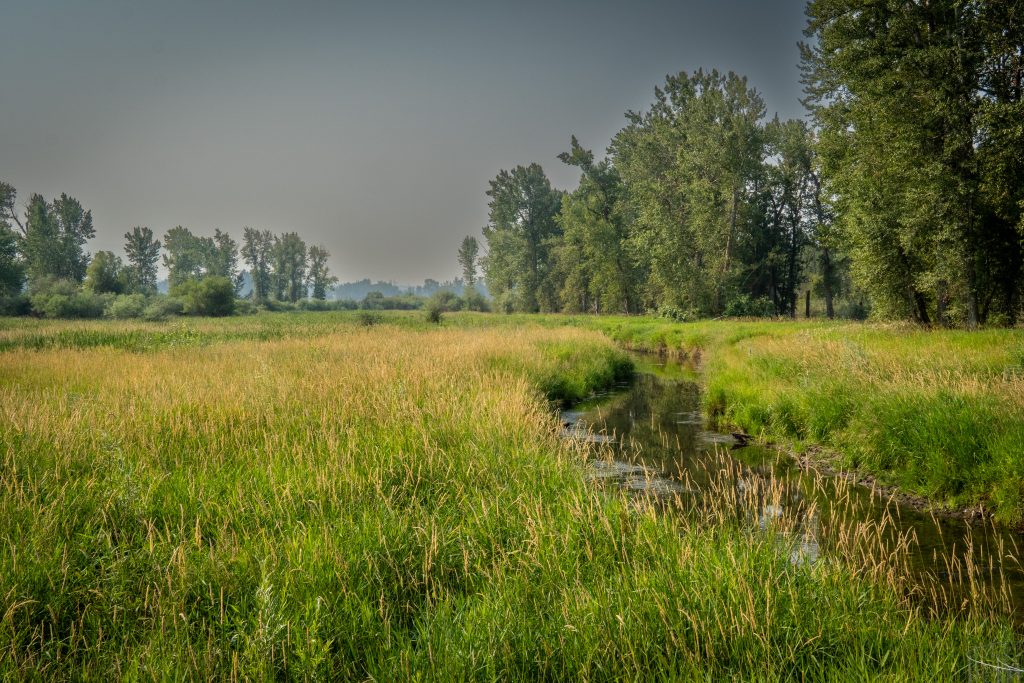
The work builds on a broader partnership between NWTF, Trout Unlimited, Montana Fish, Wildlife & Parks and the Steele Reese Foundation focused on improving fish passage, riparian habitat and water quality throughout the drainage.
Nebraska: Restoring Wildlife Management Areas
Across Nebraska, NWTF and its partners are working to improve wildlife habitat in some of the state's most important public lands.
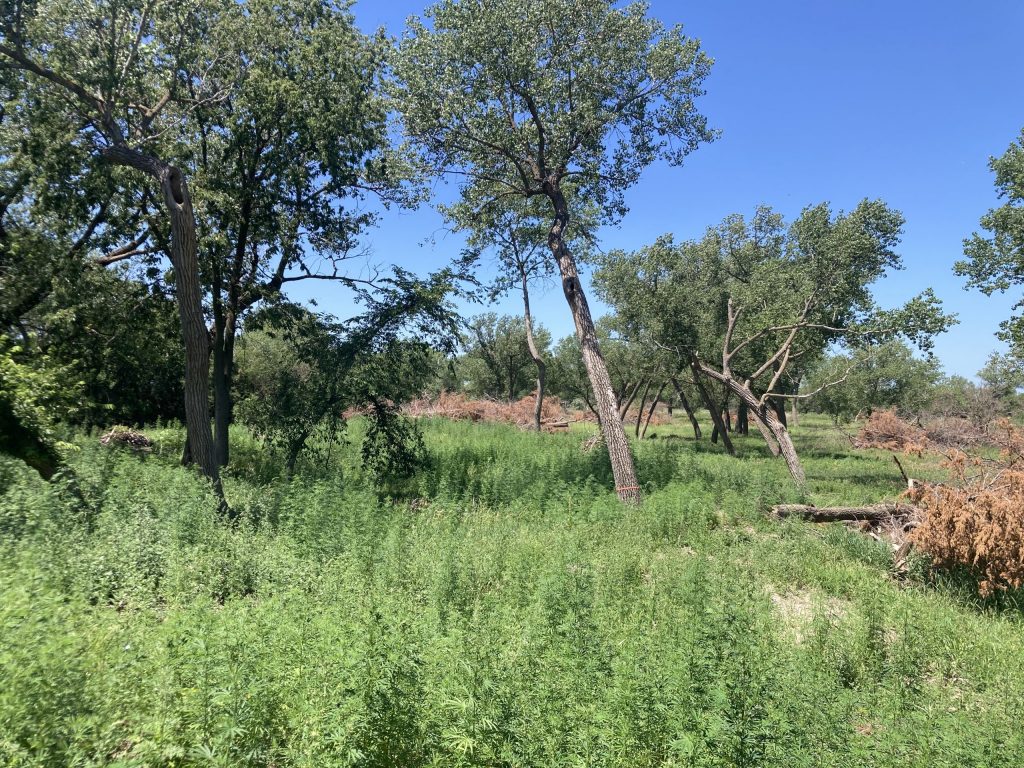
At Bassway Strip Wildlife Management Area along the Platte River, the Nebraska NWTF State Chapter and Nebraska Game and Parks Commission removed eastern red cedar and other undesirable trees from more than 16 acres. The work allows desirable cottonwoods to thrive while opening space for native grasses and forbs, improving habitat and biological diversity.
Farther west in the Pine Ridge, NWTF and partners have completed forest stand improvement across hundreds of acres at Ponderosa, Peterson and Gilbert Baker wildlife management areas. The work reduces fuel loads and ladder fuels, lowers the risk of high-severity crown fire and improves the health and diversity of ponderosa pine habitat.
Together, these projects show how targeted habitat work can benefit wildlife while helping make Nebraska's public lands more resilient.
Visit: Bassway Strip WMA | Ponderosa WMA | Peterson WMA | Gilbert-Baker WMA
North Dakota: Shirek and Bosh Wildlife Management Areas
Just west of the small town of Lawton, two newly established wildlife management areas demonstrate what is possible when conservation partners share a common goal.
The Shirek and Bosh WMAs protect 543 acres of riparian habitat and adjacent grasslands in Walsh County. Through the Waterways for Wildlife Initiative, NWTF and partners helped acquire the properties, ensuring these important habitats will remain protected and available for wildlife and public recreation.
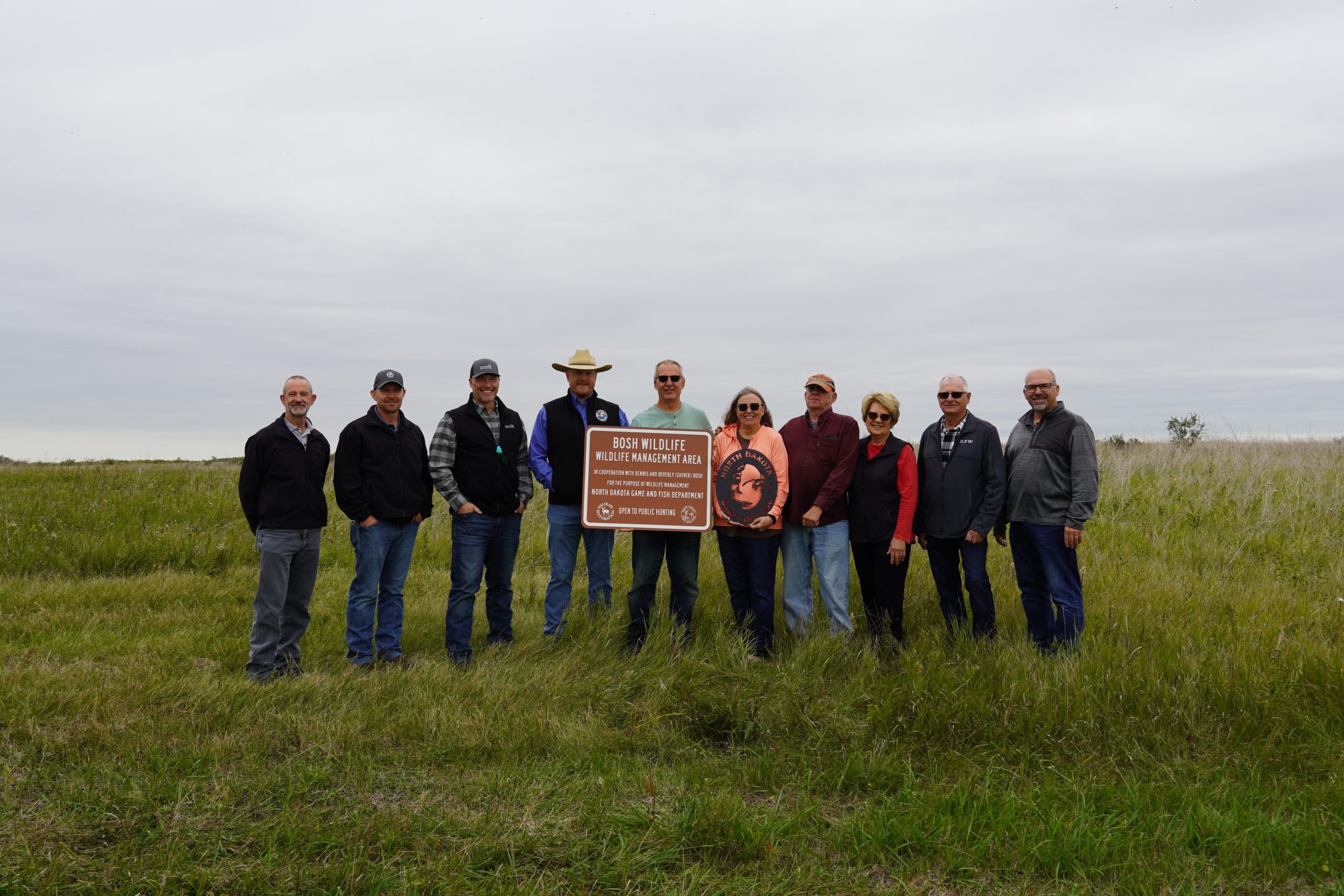
The riparian areas and surrounding grasslands provide important brood-rearing habitat while protecting habitat along waterways in the Great Plains.
The properties also offer a chance to see the lasting impact of conservation through land acquisition — sometimes the most important thing conservation can do is ensure a valuable piece of habitat remains intact for generations to come.
Oklahoma: Black Kettle and Lexington Wildlife Management Areas
In Oklahoma, Waterways for Wildlife projects are helping restore river corridors while improving habitat for wild turkeys and other wildlife.
At Black Kettle Wildlife Management Area along the Canadian River, NWTF and the Oklahoma Department of Wildlife Conservation have worked to remove eastern red cedar and other woody invasives from riparian and upland habitats. Waterways for Wildlife funding supported restoration of 463 acres, while additional NWTF support has helped contribute to more than 2,500 acres of conservation work at Black Kettle.
The goal is to restore river corridors, improve stream health and habitat diversity and create more resilient habitat for wildlife.
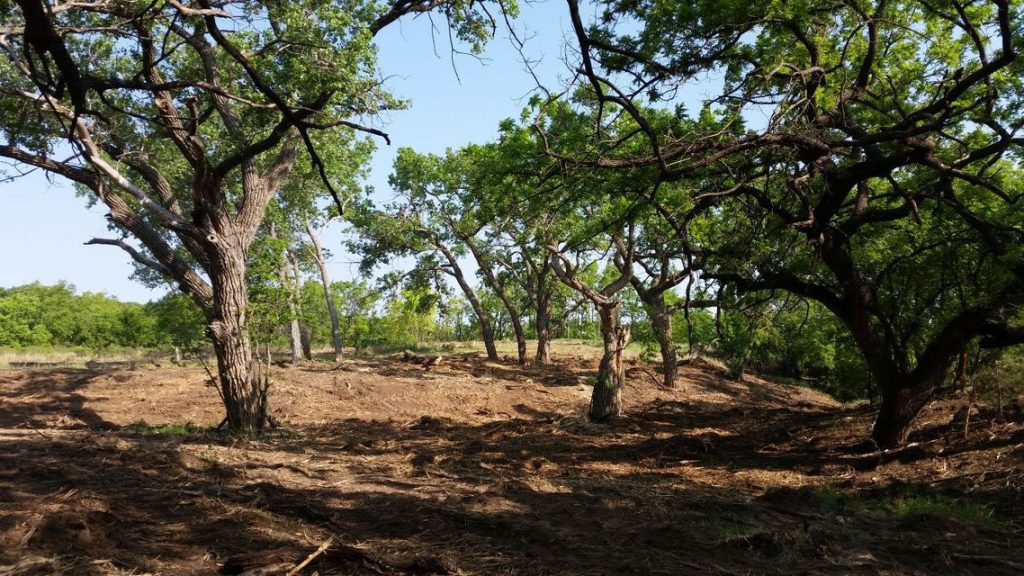
At Lexington Wildlife Management Area near the Oklahoma City metro area, NWTF and ODWC have focused on improving riparian habitat and protecting wild turkey roost trees. Waterways for Wildlife funding supported restoration across 156 acres through mechanical removal of eastern redcedar and other invasive woody vegetation, followed by prescribed fire to maintain the restored habitat.
Together, the projects show how managing invasive vegetation can benefit both waterways and wildlife.
Visit: Black Kettle WMA | Lexington WMA
South Dakota: Hepler Game Production Area
Near Spearfish, South Dakota, a timber stand improvement project is changing the understory at Hepler Game Production Area.
In partnership with South Dakota Game, Fish and Parks, the South Dakota NWTF State Chapter helped improve habitat by reducing competition around bur oak trees and creating wildlife openings.
Crews cut and masticated small-diameter ponderosa pine and ironwood that had crowded the understory. With more sunlight reaching the forest floor, native grasses and forbs have more opportunity to grow.
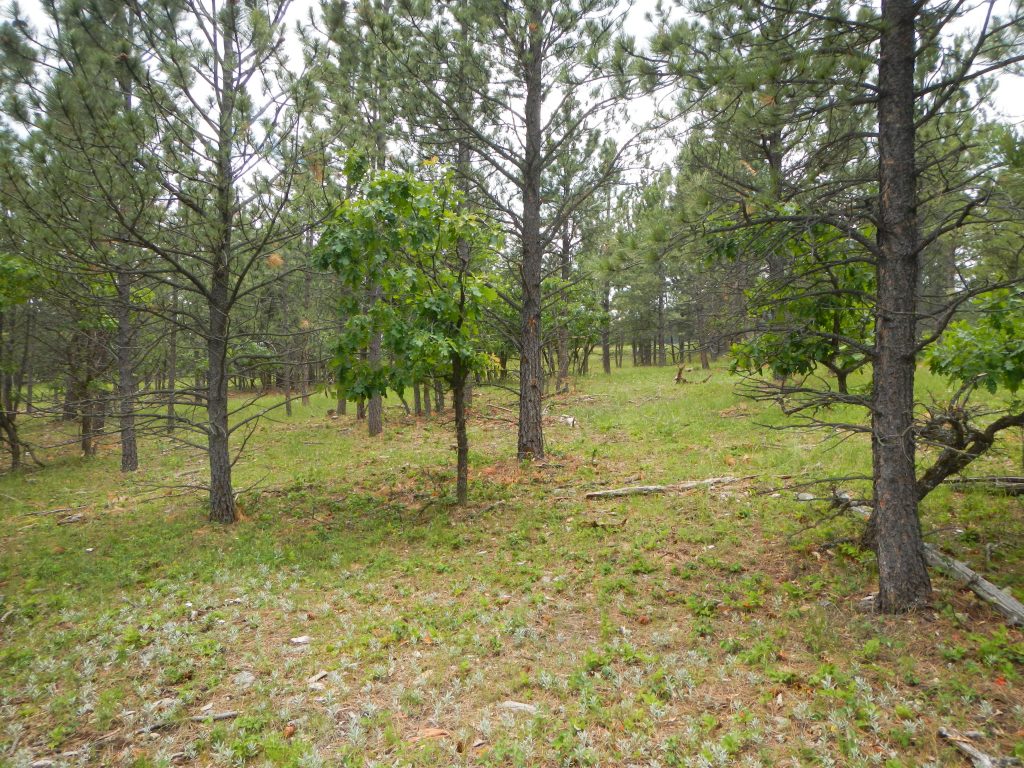
The result is improved nesting and brood-rearing habitat in the northern Black Hills — a reminder that sometimes making room for native vegetation can have a significant impact on wildlife.
Texas: Matador Wildlife Management Area
At 28,183 acres, Matador Wildlife Management Area in the Rolling Plains is a large and diverse landscape centered around the Middle Pease River and its associated uplands.
NWTF and the Texas Parks and Wildlife Department have maintained a longstanding partnership at Matador, supporting habitat work through Super Fund and Waterways for Wildlife grants.
More than 1,500 acres have received mechanical grubbing and mulching, aerial herbicide applications and prescribed burning to reduce invasive honey mesquite, redberry juniper and salt cedar.
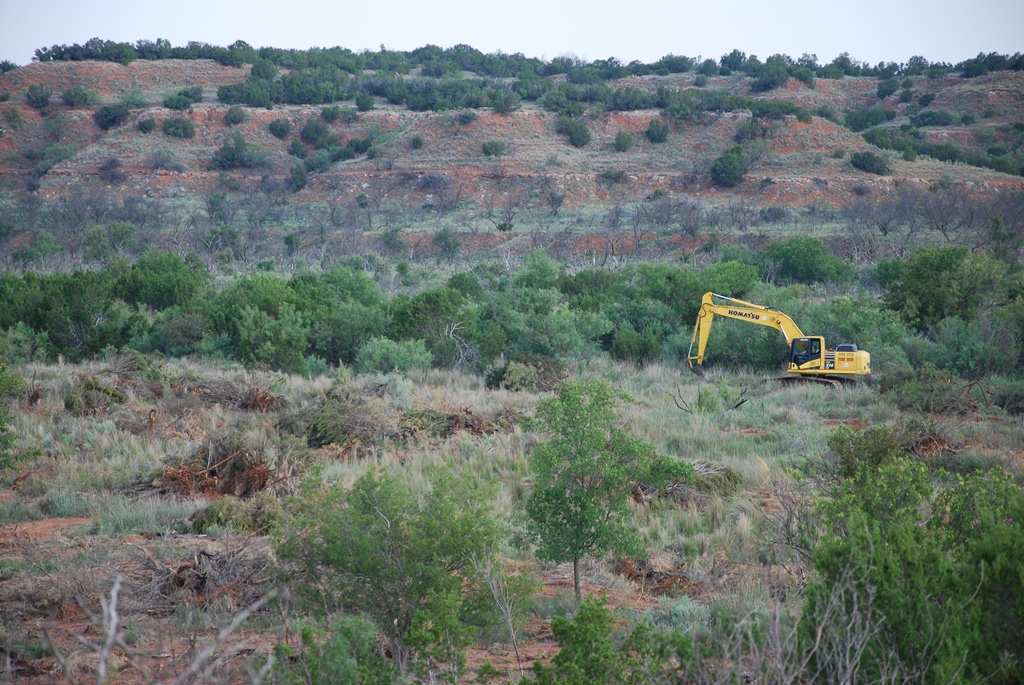
The work helps reduce woody competition around mature cottonwoods that provide important turkey roosting sites while creating better conditions for native grasses and forbs used for nesting, foraging and brood rearing.
In 2024, Waterways for Wildlife funding supported additional restoration along 10 acres of the O.X. Spring and Pease River corridor.
Wyoming: Bearlodge Riparian Restoration Project
In Wyoming's Bearlodge Mountains, conservation partners are working to restore the health of streams, meadows and riparian habitats across three watersheds.
The Bearlodge Riparian Restoration Project encompasses 271 acres across Whitelaw Creek, Blacktail Creek and Beaver Creek. The goal is to improve riparian health and create conditions that can support the return of beavers, natural engineers that can help maintain healthy wetland and stream ecosystems.
Planned restoration includes low-tech process-based structures such as beaver dam analogs and post-assisted log structures, along with aspen and meadow restoration, livestock management, noxious weed control and native vegetation planting.
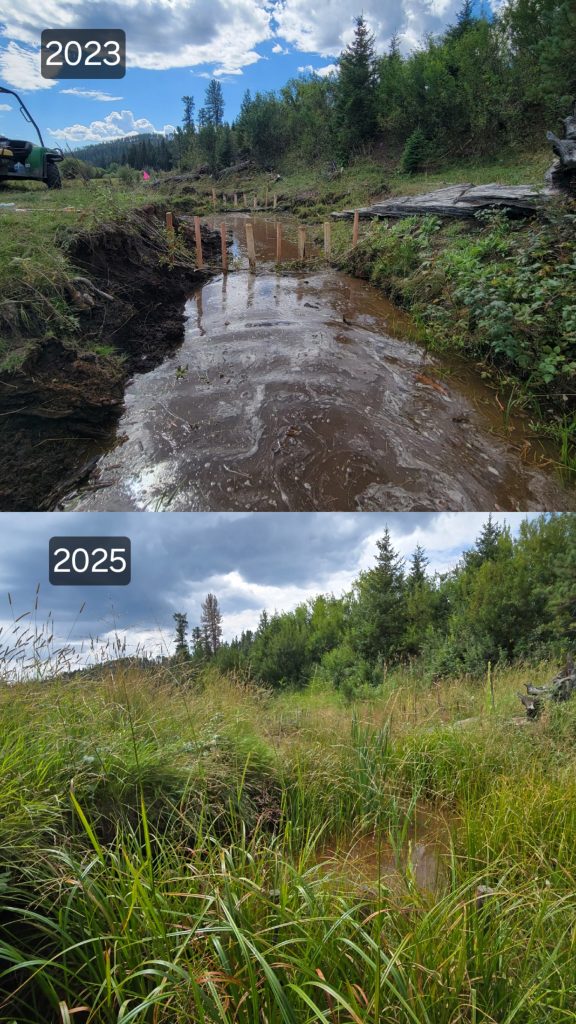
The project brings together partners from across the conservation community, including the USDA Forest Service, The Nature Conservancy, South Dakota State University, U.S. Fish and Wildlife Service, Wyoming Game & Fish and several conservation organizations.
It is a good example of how restoring a waterway can mean more than improving the stream itself. Healthy riparian systems can provide habitat for wildlife, improve water quality and create more resilient landscapes.
See the Difference
Across the Great Plains, conservation can take many forms because every landscape has its own needs. In one place, it may mean opening a forest floor to allow native grasses and forbs to return. In another, it may mean restoring a streambank, improving riparian habitat or conserving a wildlife management area for generations to come.
While the work looks different from place to place, the purpose remains the same: creating healthier, more resilient landscapes for wild turkeys and other wildlife while maintaining the places people rely on for hunting, fishing, recreation and connection to the outdoors.
This Conservation Week, take a closer look at the landscapes around you. Whether you're visiting a wildlife management area, walking along a stream or exploring public lands, consider the work that has gone into making these places better for wildlife and people — and the difference that work can make for the future.