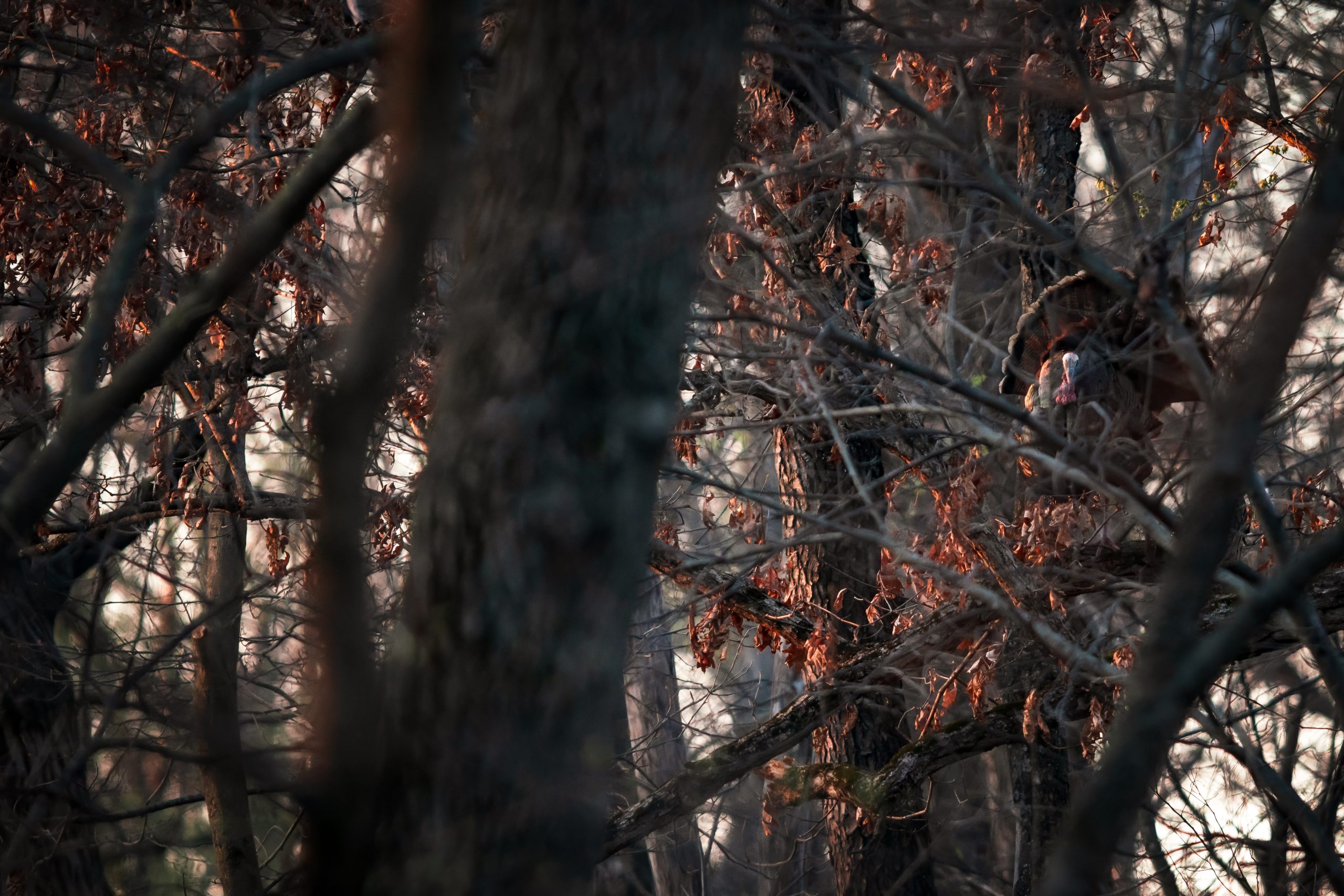
Roots to Roost: An NWTF Midwestern Initiative
NWTF launches new landscape-scale conservation initiative focused on the needs of the Midwest region.
Turkeys need proper habitat to prosper and grow. If the proper habitat is managed, it benefits the wild turkey, pollinators and many wildlife species, some of which are threatened or endangered. That well managed habitat can also provide improved water quality and quantity, provides communities with resilience against wildfire and allows everyone to have a positive experience in nature. The work to manage this type of habitat is an ongoing project and because of the expense and expanse, needs funding options. With this in mind, the NWTF has created and launched the Roots to Roost Initiative, a 10-year landscape-scale habitat initiative to help combat negative changes to the landscapes across the Midwest.
With the launch of the Roots to Roost Initiative, work will cover lands across Illinois, Indiana, Iowa, Kentucky, Michigan, Minnesota, Missouri, Ohio and Wisconsin. These states contain millions of acres of land that were once thriving ecosystems but are now fragmented, overgrown or under threat. This type of initiative unites people, companies and agencies from all walks of life with a common goal, in a nutshell, to leave this earth better than we found it.
This concept of landscape-scale work is nothing new to the NWTF. The NWTF launched the Habitat for the Hatch Initiative, a conservation campaign focused on enhancing forest and field health to support wild turkey populations in the Southeast region in 2023. In 2024, the Forest and Flocks Initiative was launched in the Northeast region. This initiative is focused on addressing the wild turkey’s annual cycle needs throughout the region. By working across state lines and partnering with local organizations, NWTF plans to bring large-scale, lasting change to the region.
Here is a look at why the Roots to Roost initiative is necessary and the goals for the next 10 years.
Restoring Habitat, Supporting Wildlife and Strengthening Communities
Across the Midwest, native grasslands, savannas and open woodlands are disappearing. These natural ecosystems once stretched for miles, supporting a wide range of plant and animal species, including the wild turkey. Before European settlement, these ecosystems naturally received regular disturbances like fire and grazing to stay healthy. Fire cleared away old vegetation and allowed new plants to grow, creating perfect conditions for wildlife such as wild turkeys to nest, feed and raise young. But years of changes in land use, fire suppression and development have taken a toll. In addition, forest overgrowth and the establishment of nonnative and invasive species have caused many of these habitats to shrink, degrade or disappear entirely.
As a result, species that depend on these early successional habitats, including wild turkeys, songbirds, pollinators and even endangered species, face serious challenges across the region. Since nearly 88% of land in the Midwest is privately owned, restoring habitat at a meaningful scale must include private landowners. Without their involvement, it’s nearly impossible to bring back the ecosystems that support so much life. In addition, it is imperative to help support resources professionals with up-to-date best practices information. This initiative addresses some of those challenges as well.
The NWTF created the Roots to Roost Initiative to help reverse this trend. Over the next 10 years, this landscape-scale conservation effort aims to restore more than 1.2 million acres of healthy, productive habitat in the Midwest. The initiative will focus on both public and private lands, with special attention given to outreach and education for private landowners.
Roots to Roost goes beyond providing for wild turkeys. It also promotes clean water, healthy forests, resilient communities and meaningful outdoor experiences for everyone —whether you’re a hunter, hiker, landowner or nature enthusiast.
What the Roots to Roost Initiative Will Do Roots to Roost is a bold, comprehensive plan built on two main pillars: conservation delivery and education and outreach.
1. Conservation Delivery
This pillar focuses on putting real work on the ground to restore and maintain habitat. That includes:
- Prescribed burns to remove dense underbrush and encourage growth of native plants.
- Forest thinning to bring back sunlight and increase plant diversity.
- Planting native trees and grasses to support wildlife.
- Habitat improvement for nesting and brood-rearing wild turkeys.
Currently, the NWTF and its partners improve about 97,800 acres per year in the region. Through this initiative, they aim to increase that number by 5% annually, resulting in an additional 250,000 acres improved over the next decade. Combined with existing efforts, the initiative will positively impact 1.2 million acres.
2. Education and Outreach
In this initiative, the NWTF is focusing heavily on educating and engaging private landowners. This includes:
- Creating videos and training modules on land and habitat management.
- Offering support and technical advice to landowners interested in improving wildlife habitat.
- Promoting best management practices like controlled burning and active forest management.
- Increasing conservation delivery on private lands.
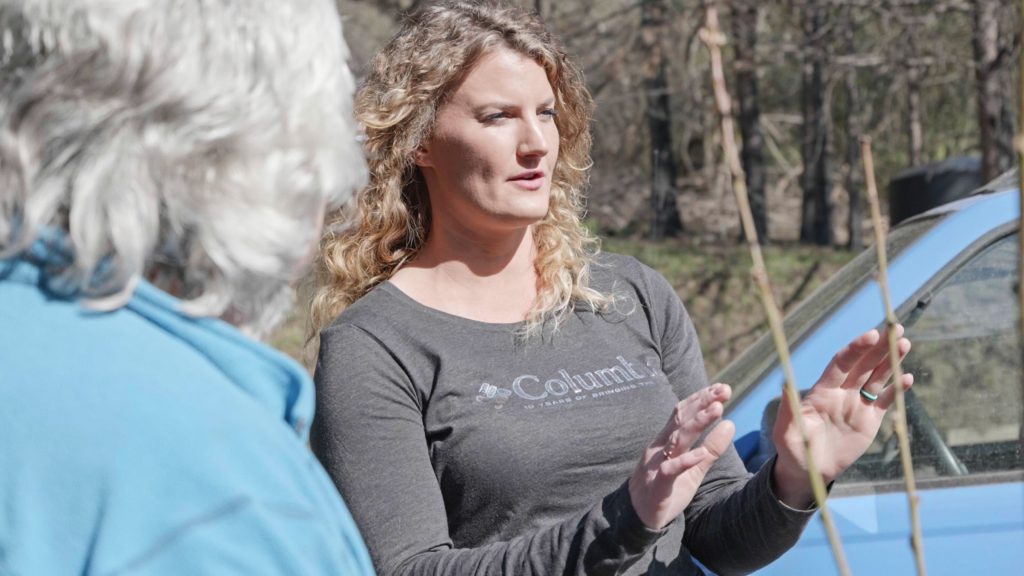
By making tools and knowledge more accessible, the NWTF hopes to empower people to take action on their own land, helping wild turkeys and many other species in the process.
The Vision Behind Roots to Roost
The vision is simple but powerful: to increase awareness and understanding of what wild turkeys and other wildlife need to thrive, especially on private land. However, Roots to Roost isn’t just about doing the work, it’s also about understanding what works best. The initiative will help fund scientific research and support endowed professorships to study how different land management techniques affect turkey populations and other wildlife. It will also look at how to better engage landowners in conservation.
In addition, the NWTF will work in the policy and advocacy space, promoting laws and programs that support active habitat management, such as prescribed burning, forest thinning and responsible timber harvest. These practices are essential for maintaining healthy ecosystems and wildlife populations.
How the Work Will Be Funded
To achieve its goals, the NWTF is seeking to raise $12 million over 10 years. This funding will support:
- On-the-ground habitat improvements.
- Development of training and outreach materials.
- New equipment for land management.
The Bigger Picture
Roots to Roost is about more than restoring land. It’s about bringing people together to make a difference. By giving private landowners the tools and knowledge they need, supporting science and education, and creating partnerships across the Midwest, the NWTF is building a better future for wildlife, water, forests and people.
Whether you’re a landowner, a conservationist, a hunter or someone who simply loves being outside, this work matters. The outdoors belongs to all of us — and with the Roots to Roost Initiative, the NWTF is making sure it stays that way for generations to come.