Restoring the Boise River WMA: Volunteers, Waterboxx Technology and the Long Road Back After Fire
On the steep western slopes of the Boise River Wildlife Management Area, recovery doesn’t come easily. Two years after the 2024 Valley Fire burned roughly 10,000 acres across the landscape surrounding Lucky Peak, the work of rebuilding critical winter range for deer, elk and wild turkey is well underway.
Supported through the Idaho NWTF State Chapter Super Fund and implemented in partnership with the Idaho Department of Fish and Game, the project is focused on restoring critical winter range for deer, elk and wild turkey while improving the long-term resilience of this important public landscape.
The Boise River WMA serves as a cornerstone of Idaho’s wildlife habitat network in southwest Idaho, providing essential winter range where big game animals concentrate during harsh weather conditions. The area also supports valuable wild turkey habitat, particularly where ponderosa pine forests and early successional vegetation provide cover, forage and security.
When the Valley Fire swept through the area, it altered forest structure, reduced cover and left large portions of the landscape vulnerable to erosion and slow natural regeneration. Since then, NWTF volunteers and partners have worked to accelerate recovery by planting ponderosa pine seedlings across the burn scar.
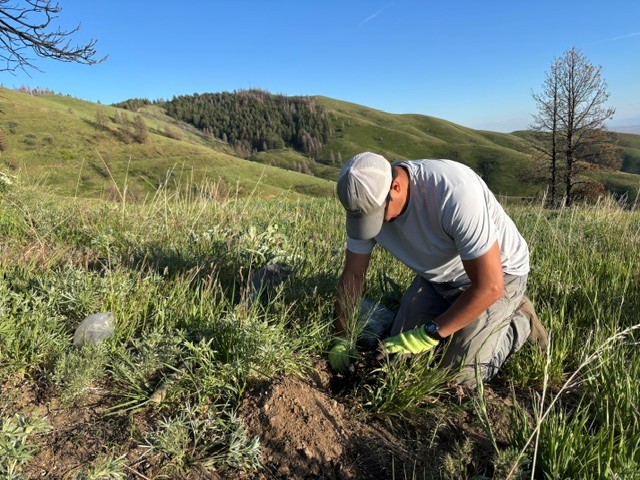
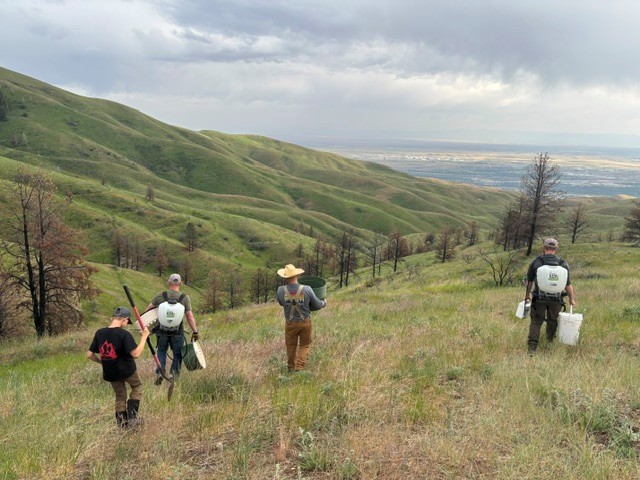
This year, restoration efforts moved onto the WMA’s steep western slopes, where challenging terrain and dry conditions make successful tree establishment difficult.
To improve seedling survival, project partners are utilizing Waterboxx technology, an innovative planting system designed for arid and fire-affected landscapes. The reusable reservoirs slowly deliver water directly to a seedling's roots while capturing rainfall and condensation. The units also help reduce evaporation and protect young trees during their most vulnerable stage of growth.
The results have been encouraging. Early monitoring indicates approximately 90% survival among planted seedlings, a significant achievement in a landscape where drought and harsh conditions often limit reforestation success.
Maintaining those gains requires commitment. Volunteers and staff routinely haul water by backpack across steep terrain to refill Waterboxx units and monitor seedling health.
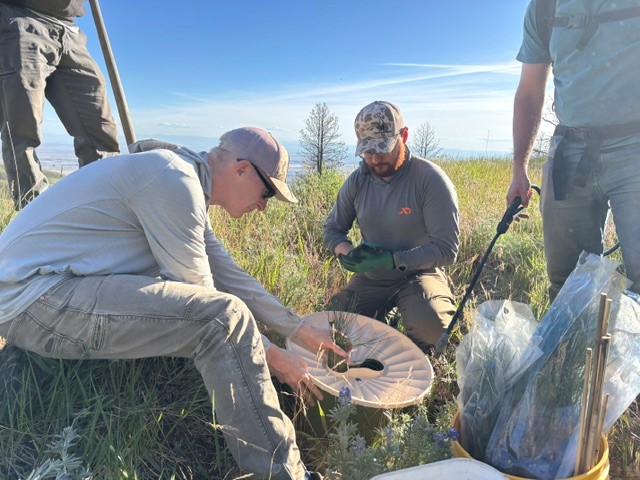
While innovative technology is improving outcomes, the project’s success ultimately depends on dedicated volunteers and strong partnerships.
"This project is especially meaningful to me because I grew up hunting the Boise River WMA and harvested my first archery buck there,” said Tyler Dale, NWTF Gem State Chapter vice president. “It's a place that has created lasting memories for me and countless other Idaho hunters. Seeing the impact of the Valley Fire and then having the opportunity through NWTF to partner with Idaho Fish and Game to help restore this critical winter range, has been incredibly rewarding. It speaks to the strength of our partnership and our shared commitment to conserving habitat that benefits wildlife and the people who enjoy these public lands for generations to come."
The project reflects the NWTF’s mission-driven approach to conservation, bringing together partners, volunteers and innovative solutions to improve wildlife habitat and ensure the future of hunting.
Although it will take years for newly planted ponderosa pines to mature, the benefits of restoration are already beginning to emerge. Improved cover, healthier wildlife habitat and increased landscape resilience are helping lay the foundation for future generations of hunters and outdoor enthusiasts.
The NWTF and the Idaho Department of Fish and Game plan to continue restoration efforts on the Boise River WMA in the years ahead, building on the success of this Super Fund-supported project.
Because restoring habitat is about more than planting trees. It is about rebuilding landscapes, strengthening partnerships and ensuring Idaho’s public lands continue to support wildlife and outdoor traditions for generations to come.