Restoring Oregon’s Aspen, One Stand at a Time
In the Blue Mountains of eastern Oregon, one of the West's most important wildlife habitats just received a major boost. Last month, the National Wild Turkey Federation and its partners completed another successful phase of the Damon Aspen Restoration Project on the Malheur National Forest, restoring more than 153 acres of aspen habitat across 35 individual stands. The work marks another milestone in an ongoing effort to bring one of Oregon's most valuable forest ecosystems back to life.
The project was completed through the Damon Aspen Restoration Challenge Cost-Share Agreement, with significant funding provided by the Rocky Mountain Elk Foundation (RMEF). The NWTF partnered closely with the USDA Forest Service to oversee implementation, continuing a collaborative effort that is restoring critical wildlife habitat across the Blue Mountain Ranger District.
Aspen forests occupy only a small percentage of western landscapes, yet they support an incredible diversity of wildlife. Their lush understory provides food and cover for wild turkeys, elk, mule deer, songbirds, pollinators and countless other species. They also contribute to healthier watersheds and create natural breaks that can help slow the spread of wildfire, but many of these stands have been steadily disappearing.
Over decades, shade-tolerant conifers have grown into aging aspen groves, crowding out sunlight and preventing young aspens from regenerating. At the same time, heavy browsing by elk, deer and livestock often removes new shoots before they have a chance to mature, creating forests made up of only aging trees with few replacements.
To reverse that trend, crews used a proven restoration technique known as directional felling, carefully cutting encroaching conifers and laying them on the ground in a "jackstraw" pattern throughout and around the aspen stands.
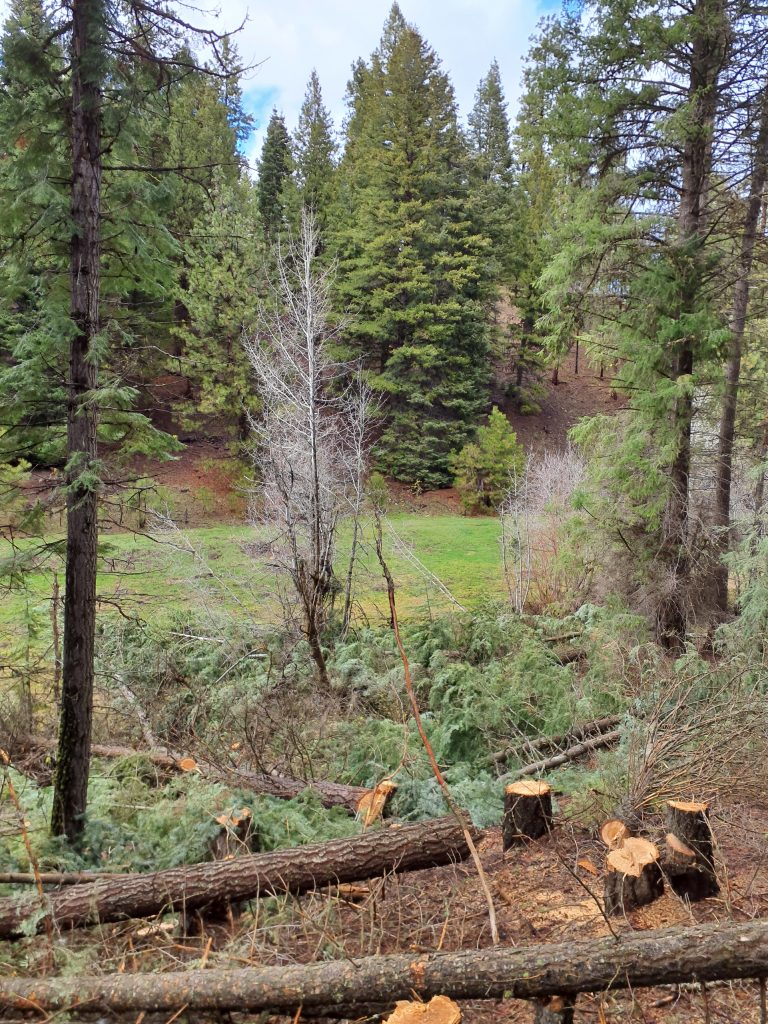
The treatment accomplishes two important goals. First, removing competing conifers opens the forest canopy, allowing sunlight to reach the forest floor where new aspen suckers can emerge. Second, the downed trees create natural barriers that discourage browsing animals from reaching the young shoots, giving the next generation of aspens a much better chance to survive.
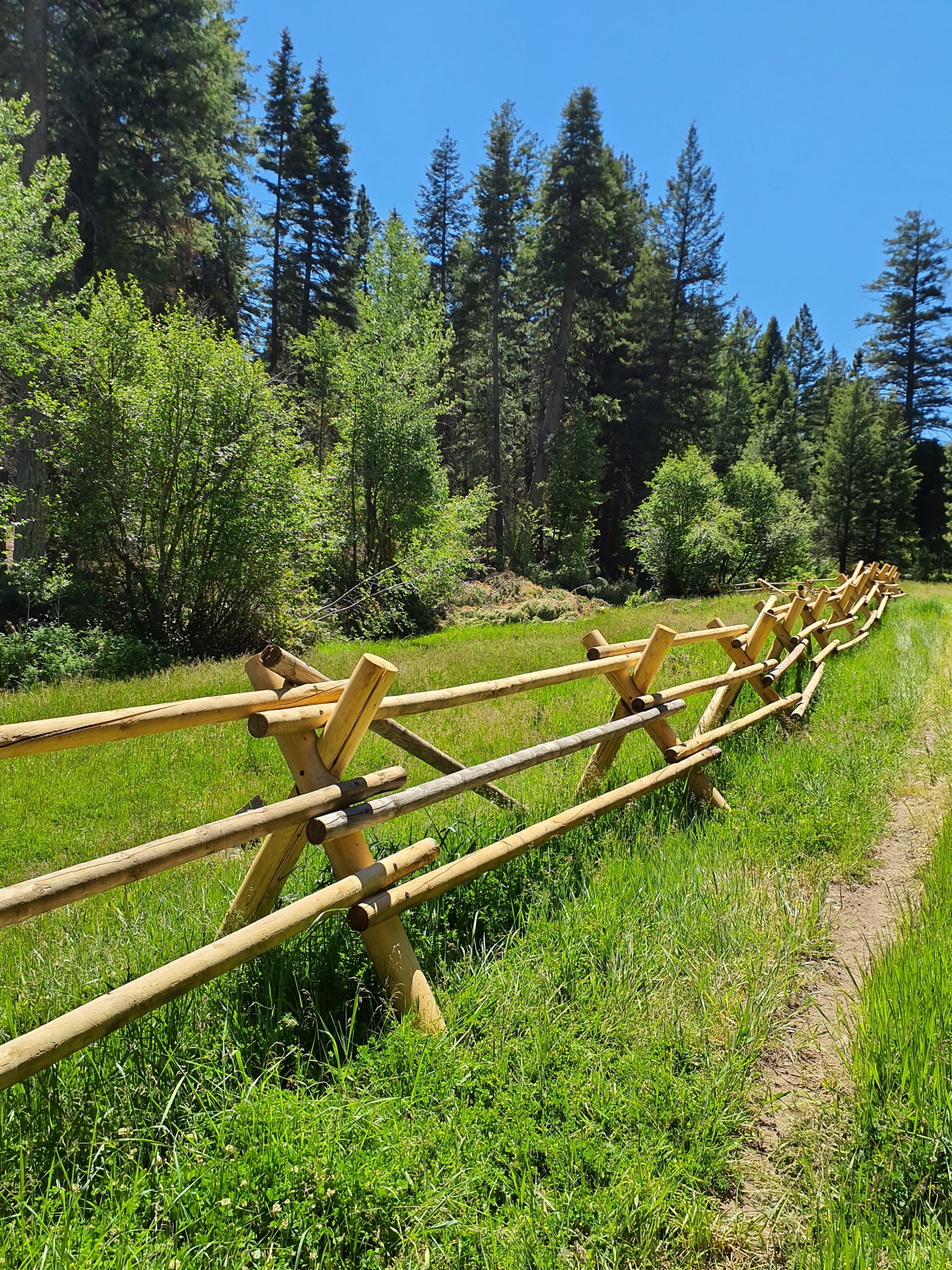
In addition to the conifer removal, three acres of aspen were protected with buck-and-pole fencing. Materials for the fence were funded through the agreement, while Forest Service personnel completed the construction, providing another layer of protection in areas particularly vulnerable to browse pressure.
"Healthy aspen stands support an incredible diversity of wildlife, but many are disappearing as conifers move in and regeneration declines," said Krista Modlin, NWTF district biologist for California, Oregon, Washington and Nevada. "This project gives these forests the opportunity to recover naturally while improving habitat for wild turkeys and many other species. It's rewarding to see our partners come together to make meaningful, lasting improvements on the landscape."
The latest accomplishments build upon years of restoration work in the Damon Project area. Located just north and south of Seneca, Oregon, the Damon landscape was identified as a high-priority watershed because many of its aspen stands had become severely degraded. Earlier restoration efforts focused on commercial conifer removal, laying the groundwork for the non-commercial treatments now being completed through the NWTF partnership. Together, these phases are restoring hundreds of acres of habitat while reconnecting fragmented aspen stands across the landscape.
Although aspen restoration often begins with improving habitat for a particular species, the benefits extend far beyond a single animal. Healthy aspen stands produce abundant grasses, wildflowers and shrubs that provide nesting cover, brood-rearing habitat and forage for wild turkeys. They also create productive summer range for elk and deer, support cavity-nesting birds and pollinators, improve watershed function and increase overall biodiversity.
For conservation partners, projects like Damon demonstrate how collaborative stewardship can deliver lasting results across public lands. By combining the expertise and resources of organizations like the NWTF, RMEF and the USDA Forest Service, restoration work can be completed at a scale that benefits wildlife, forests and local communities alike. Every acre restored helps ensure these iconic western forests continue regenerating naturally for decades to come.