Preseason Gear Checklist: Get Ready for Opening Morning
With turkey season just around the corner, hunters across the country are counting down the days until opening morning. While scouting, calling practice and patterning your gun all matter, having your gear squared away before opening day removes one more stressor and lets you focus on what really counts when the moment comes.
Whether you’re a seasoned turkey hunter or gearing up for your first spring, this pre-season checklist is a great place to start.
License and Pen
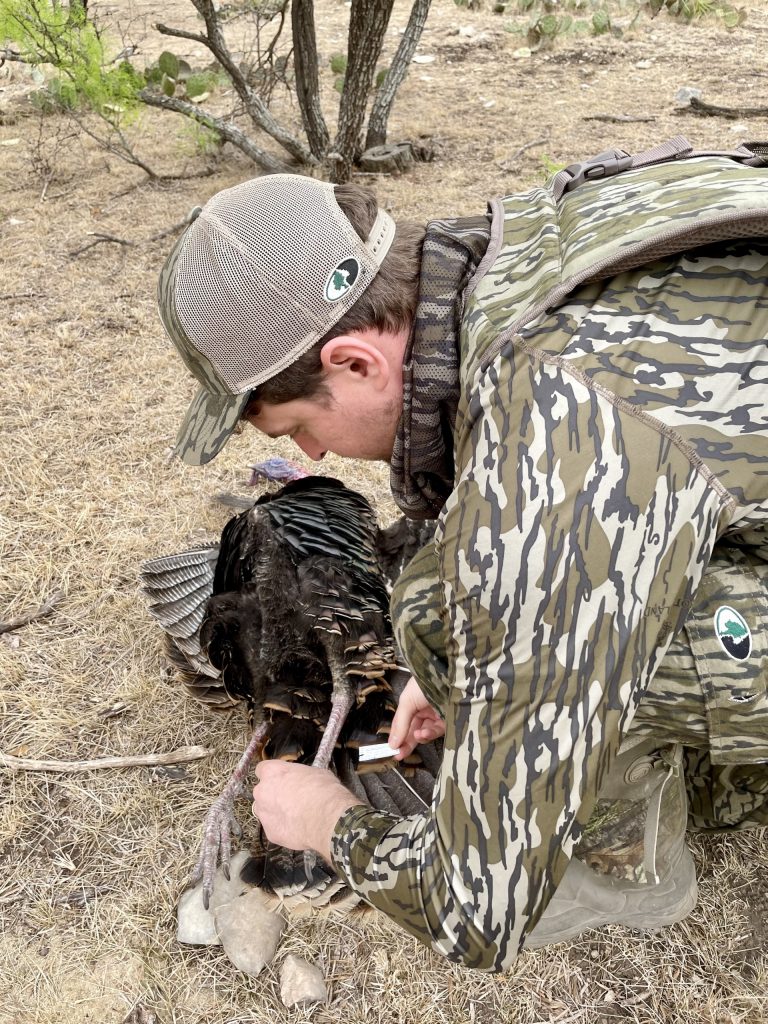
It sounds simple, but it’s easy to forget. Make sure your tags and a pen are accessible, so you’re legal and prepared if you tag a bird.
Camouflage
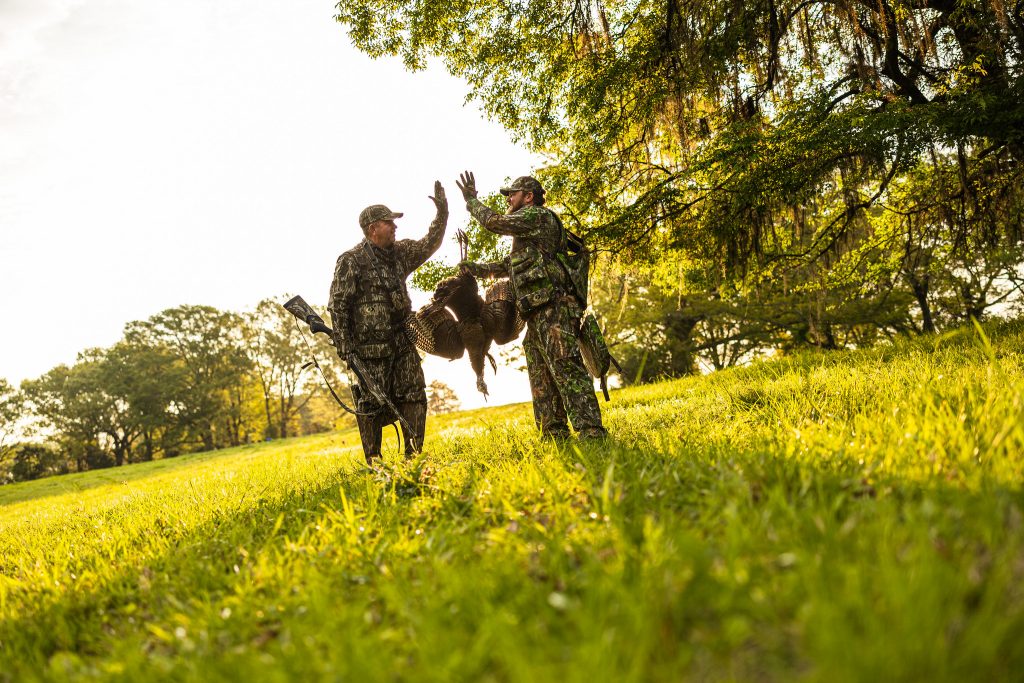
Wild turkeys have some of the sharpest eyesight in the woods, and concealing both your outline and movement is critical. Choose camouflage that matches your terrain, whether that’s hardwood ridges, pine flats or western sage draws. Don’t forget gloves and a face mask; exposed hands and faces are often what give hunters away.
Gun or Bow
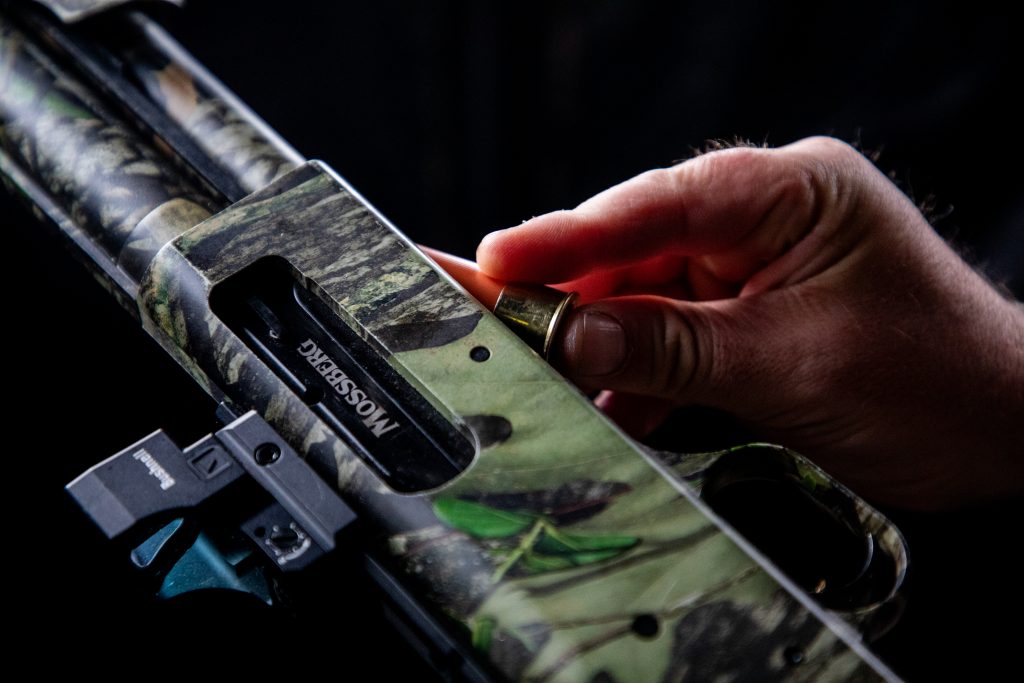
Most states allow turkeys to be taken with a shotgun, muzzleloader or archery equipment. Thanks to modern turkey loads and specialized chokes, a variety of scatterguns are extremely effective. If you’re bowhunting, make sure your setup is tuned and legal for your state, and practice from realistic seated positions.
Ammunition or Broadheads
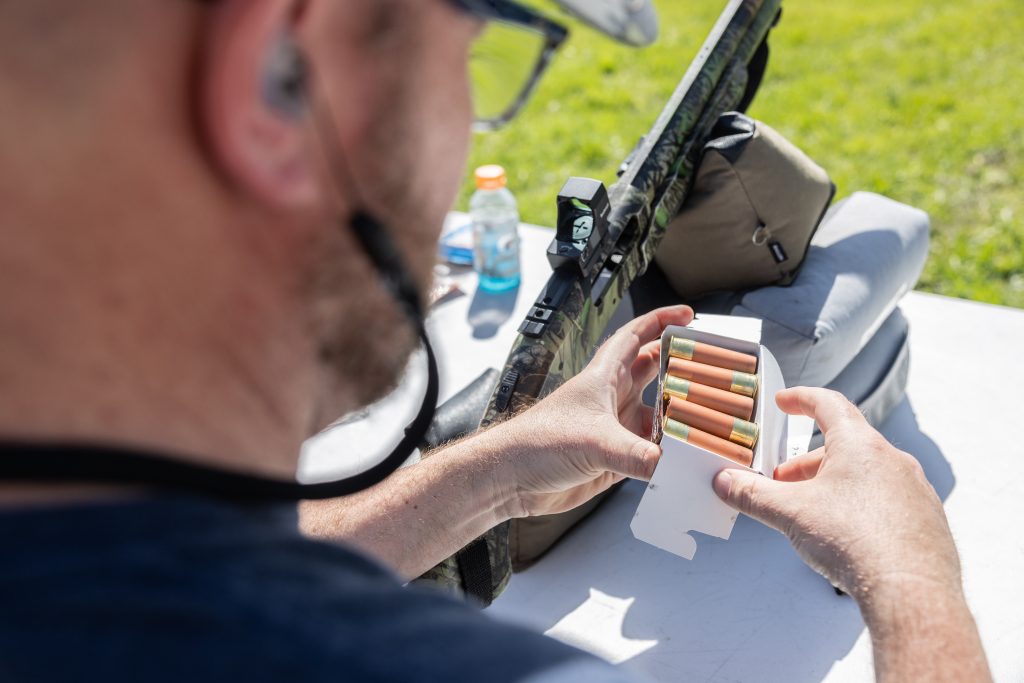
Once you’ve chosen your method of take, make sure you have enough ammunition to pattern your shotgun and hunt the full season. Patterning your gun is just as important as practicing your calling. Likewise, bowhunters should spend time researching and testing broadheads. Accuracy, penetration and reliability matter when the moment arrives.
Choke Tube
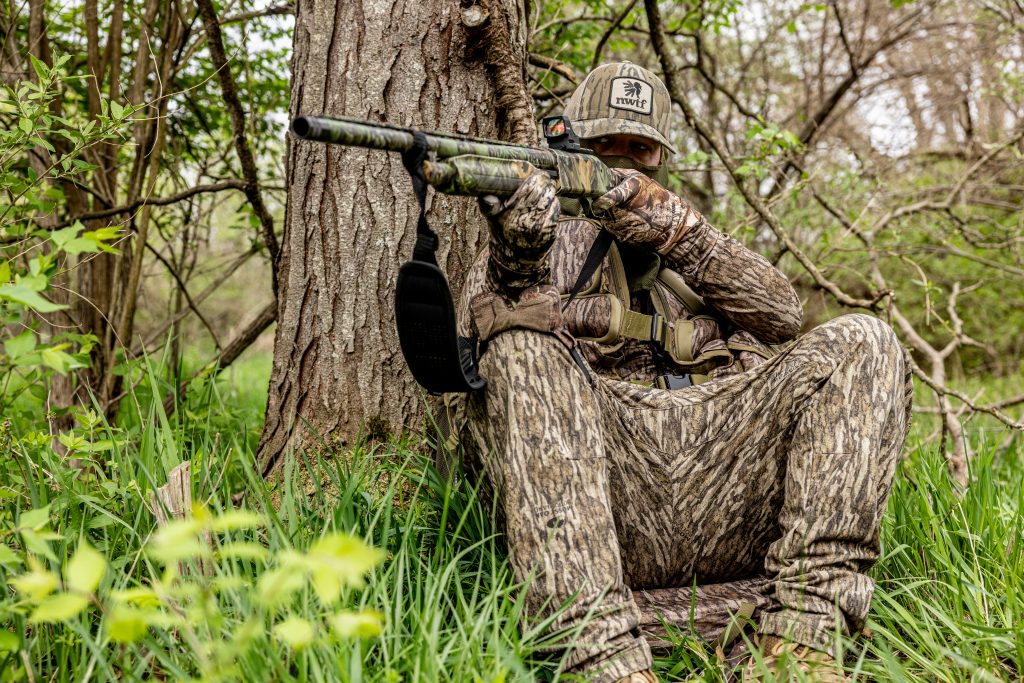
A quality turkey choke matched to your ammunition can make a significant difference in pattern density and effective range. Confirm your choke is properly installed and pattern-tested before opening day.
Hearing Protection
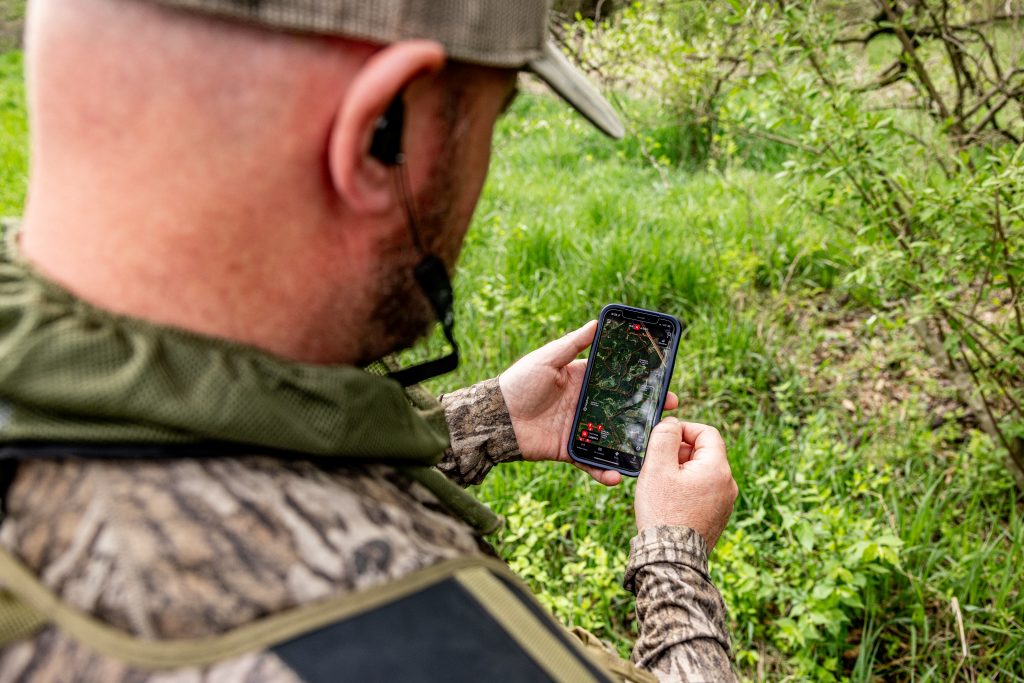
Electronic ear protection protects your hearing while still allowing you to hear gobbles and approaching birds.
Calls
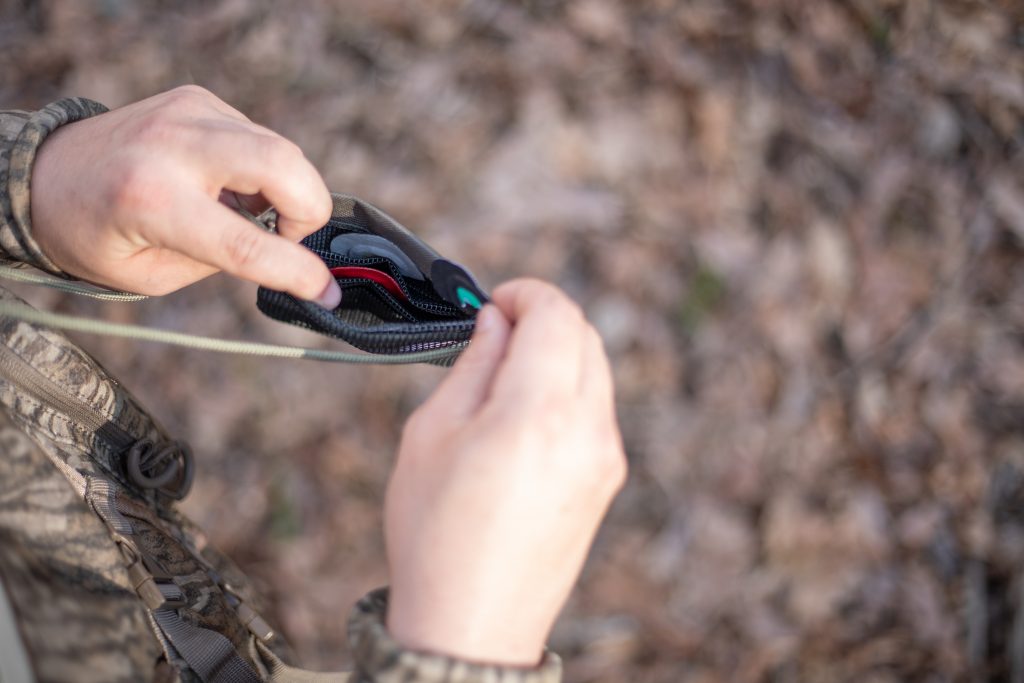
Calling is at the heart of turkey hunting. Beginners often gravitate toward box calls because they’re easy to learn, but many hunters carry a mix of call types. Options include diaphragm (mouth) calls, pot-and-striker calls made of slate or glass, box calls, wing bone calls and more. Having multiple calls allows you to adapt to pressured birds and changing conditions.
Map or Mapping App
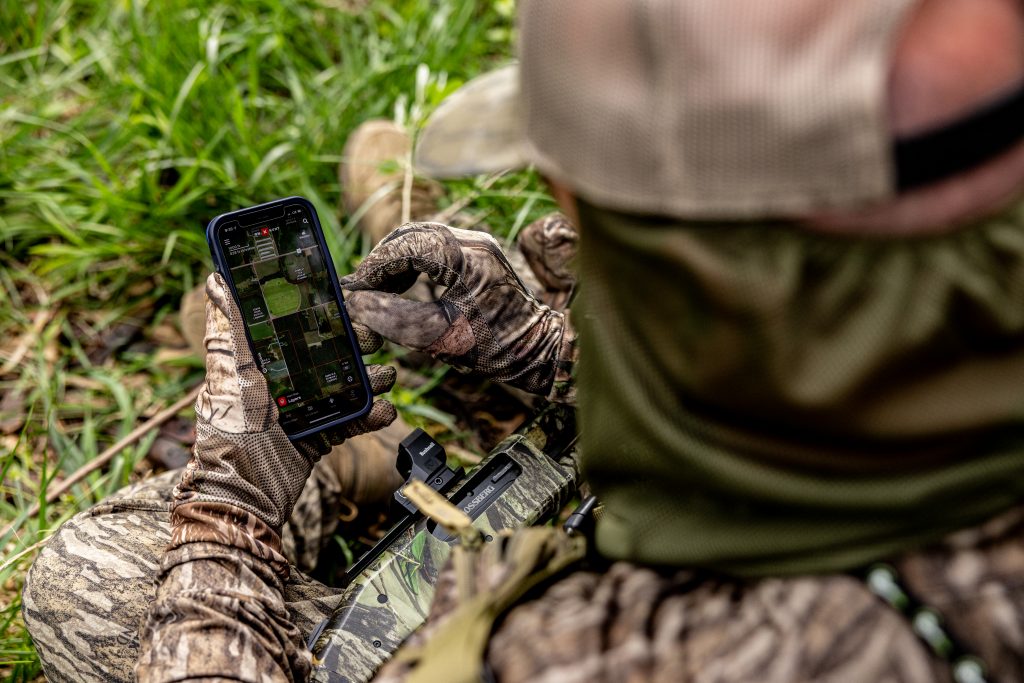
Especially on public land, knowing boundaries and terrain is essential. Paper maps still work, but mapping apps like HuntStand and onX Hunt help you identify access points, roosting habitat, travel corridors and legal hunting areas before you ever step into the woods.
Water and Snacks
Long mornings and miles of walking add up quickly. Staying hydrated and fueled keeps you sharp and patient when birds take their time.
Knife
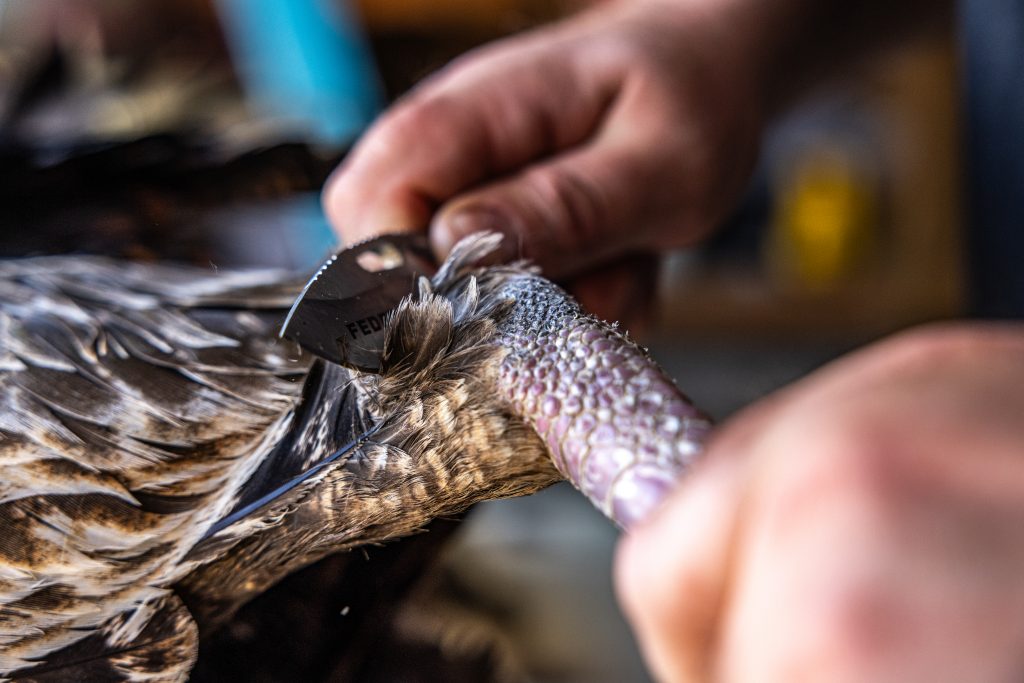
A sharp, reliable knife is essential for field dressing and processing your turkey.
Binoculars
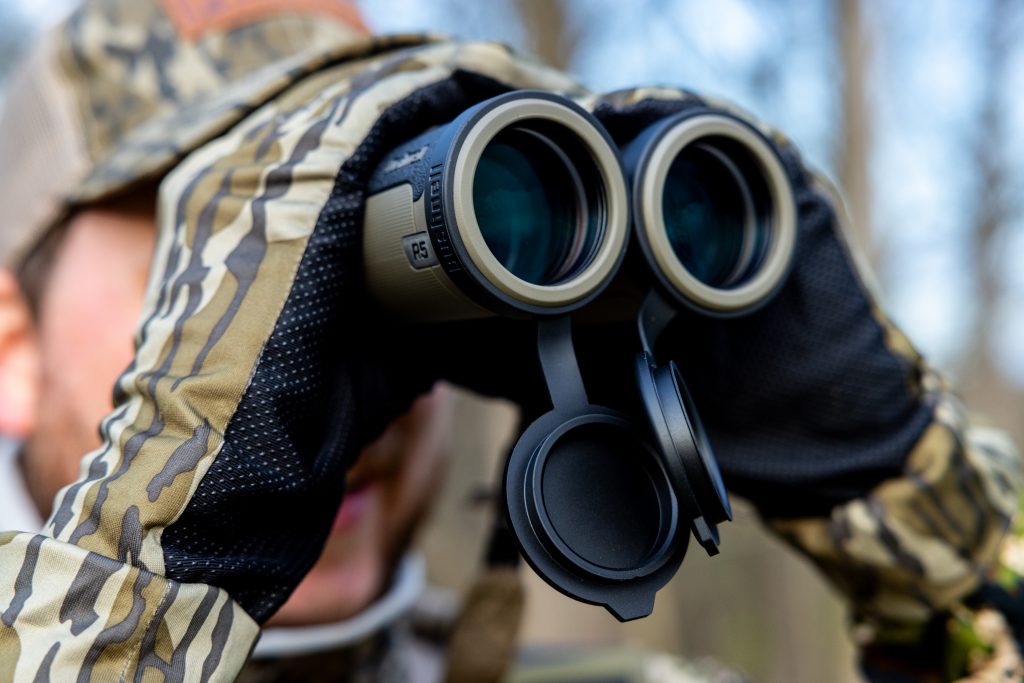
Good optics help you spot birds at a distance, confirm movement and avoid unnecessary calling that could spook a tom you haven’t seen yet.
First Aid Kit
Hopefully you never need it, but it's always helpful to be prepared. Minor cuts, blisters or unexpected mishaps happen. A compact first aid kit is insurance in the field.
Vest or Bag
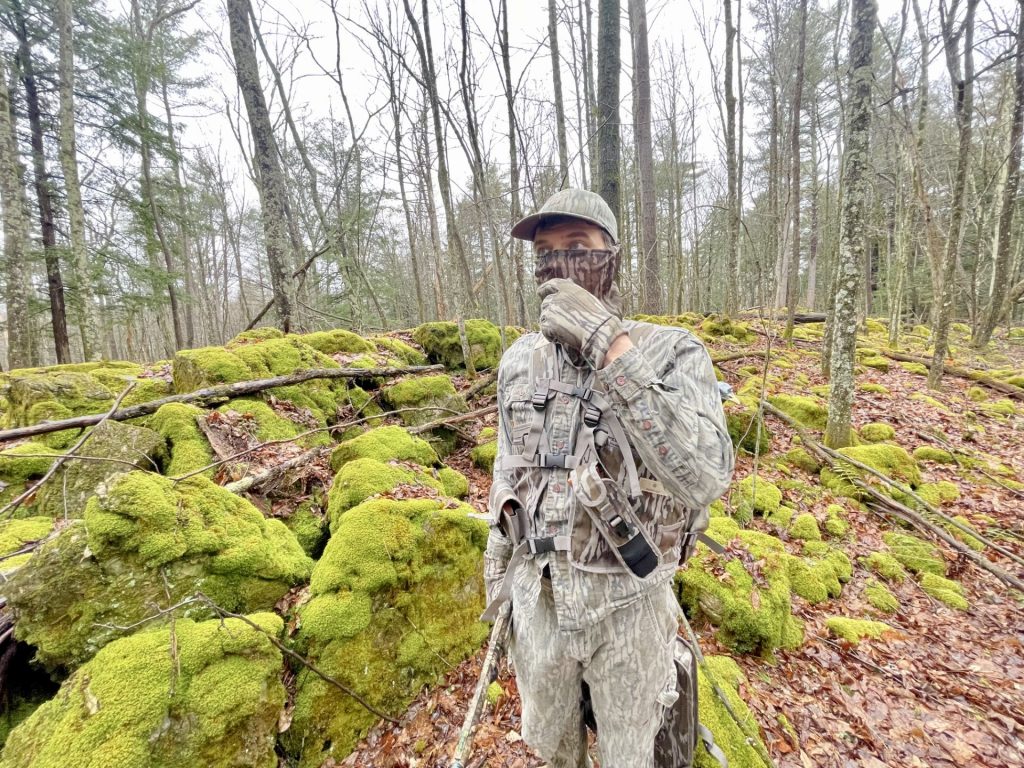
Depending on how much you plan on carrying into the field and how long you plan on sitting in the field, a quality turkey vest or a simple backpack can be a huge help. A quality turkey vest or lightweight pack keeps your calls, shells, water and gear organized and within reach.
Seat Cushion or Chair
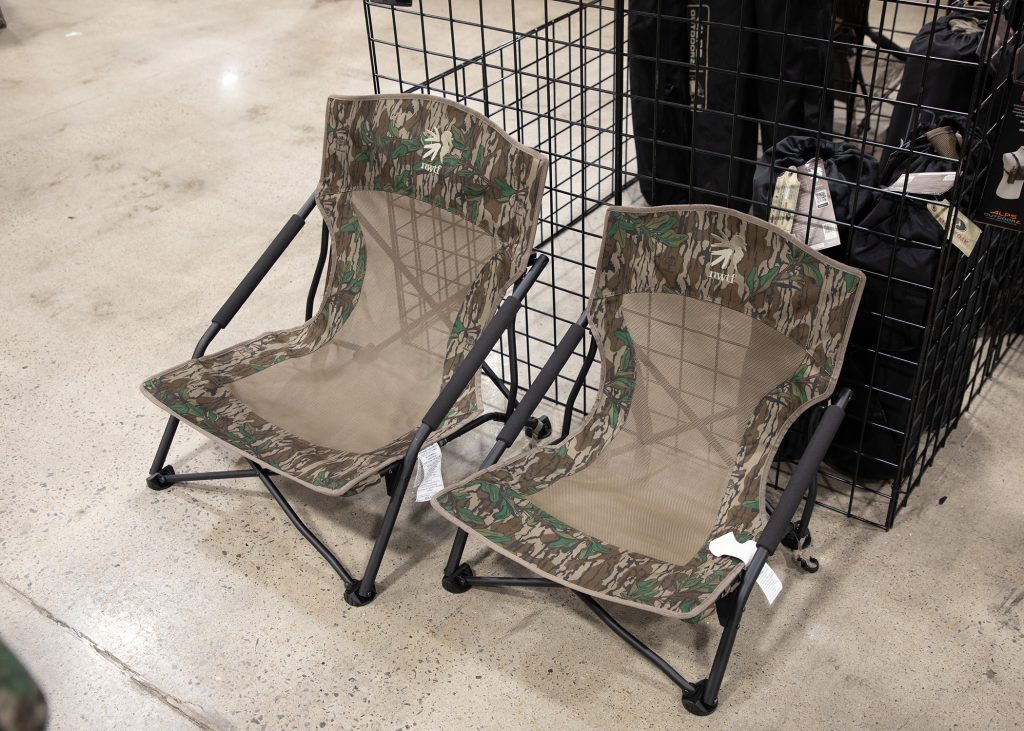
Staying comfortable helps you remain still when a keen-sighted gobbler is starring you down.
Thermacell
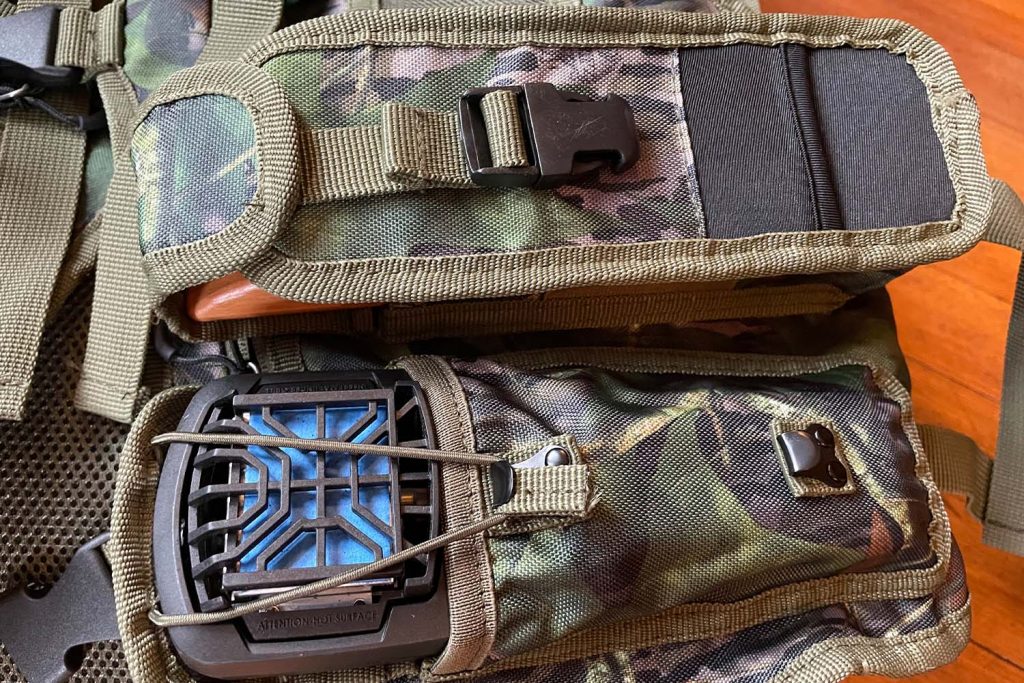
Spring turkey season often overlaps with peak mosquito season. A Thermacell can make long sits far more comfortable and help keep your focus on incoming birds instead of buzzing insects.
Permethrin
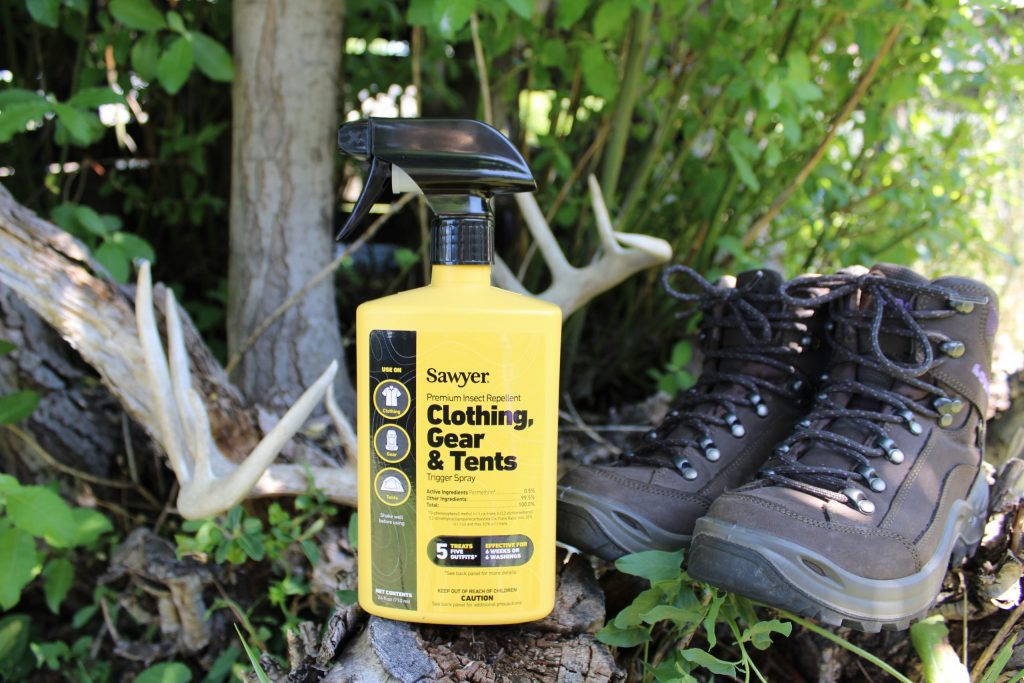
Treating clothing with permethrin ahead of time adds an extra layer of protection against ticks — an increasingly important consideration for spring hunters across the country.
Always ensure you are following the specific rules and regulations for turkey hunting within your state. Taking the time now to prepare pays off when the woods come alive this spring. And while there is no shortage of additional gear you can carry into the turkey woods — from rangefinders to shooting sticks — the key is tailoring your setup to the way you hunt and the conditions you'll likely face. With everything dialed in, you can hunt with confidence, focus on the experience and enjoy one of spring’s greatest traditions — chasing the wild turkey.