Post-TSI Checklist
Know what to look for before and after a Timber Stand Improvement project.
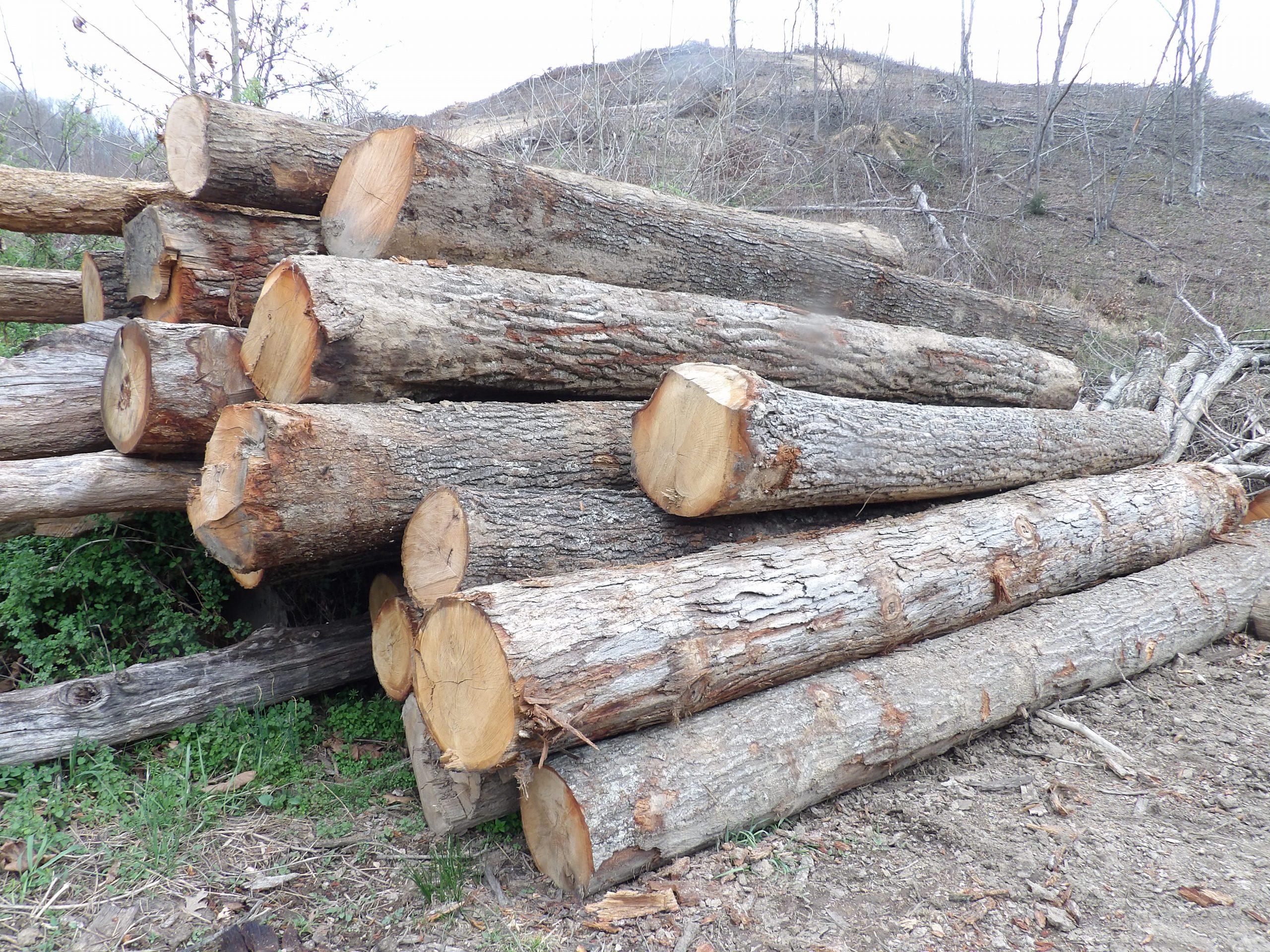
A timber stand improvement (TSI) project can have lasting benefits for hunting properties. Trees are removed, and the forest floor can flourish as new growth springs up. This will improve the overall health of your remaining timber as competing trees are removed; however, when a timber harvest is completed on your property, there can be some potential problems that should be addressed before you allow the company to leave your property.
Begin with a Plan
Before the first tree is cut from your property, have the end in sight. Know what you hope to accomplish and envision completion. Choosing the type of cut and choosing a logging contractor who has a reputation for good work and can offer references for past work is a must. Not everyone with a chainsaw and logging equipment should be trusted. Former Kentucky Forester Nathan Hall noted, “Most people will sell timber once or twice in a lifetime, so you can’t afford to get it wrong because you might not have a chance to correct it.” It’s your property and a TSI becomes a mutual interest between you and the logger.
Be certain that the logger is insured and certified to complete the work at hand. Some states require a Master Logger or a Qualified Logging Professional to be on every logging job. According to Hall, “Certified loggers have been trained and made aware of all laws regarding logging in the state where they are cutting.” A signed legal contract should be created to protect your land and to hold the logger responsible for a satisfactory job.
Ongoing Reclamation
Reclamation of your property during a TSI should be an ongoing effort. Don’t allow skid roads and landing areas to be abandoned and idle as the operation continues over a long period of time. Make an agreement to have the roadways seeded and properly ditched to prevent excessive erosion as the operation progresses. The same goes for landing areas, places where logs are trimmed and loaded, that will be vacated as the project continues. Keeping the soil seeded and stabilized is imperative.
Protect Your Waterways
Few resources are as sensitive as your water sources and waterways. At the conclusion of your TSI you should ensure that destructive silt runoff is kept to a minimum. Having the soil stabilized with proper seeding is a great first step. Any skid road that is on a slope needs to have water stops and ditches properly installed to slow rainwater that moves soil as it flows. The water stops will slow down and divert runoff toward your ditches and keep it from eroding your roads.
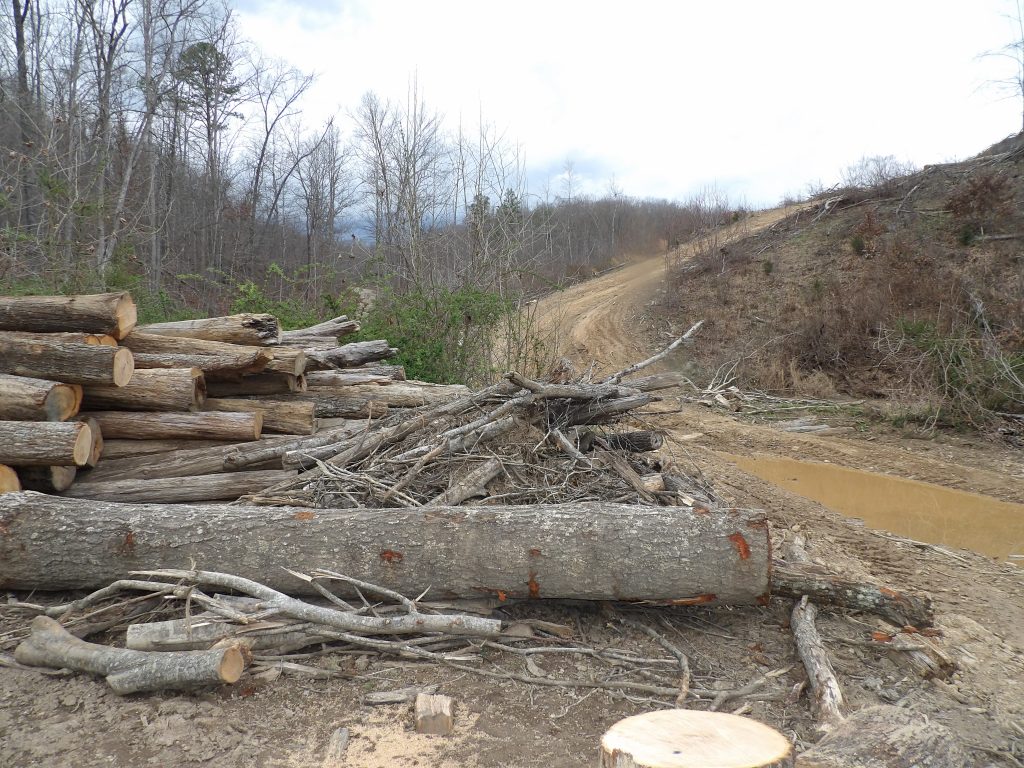
The closer your logging operation is to a river or other waterway, the more important it is to stabilize the soil and even use a small silt collection pond to catch dislodged soil. Hall added, “All stream channels should be free from logging slash and debris. Erosion is a natural process, and we should try to minimize the amount of erosion created when and after logging occurs.”
Landing areas can become an oily mess if not addressed. Large logging implements require a lot of maintenance and many landing areas become collection sites for empty oil containers. These containers should be disposed of properly and any soil that is contaminated should be addressed as well.
After the End
TSI projects should end with complete satisfaction for both the landowner and the logger. Be certain that you check off every expectation before the logger vacates your property. Ultimately, however, the result should benefit wildlife the most. Make a lasting positive impact on your land and avoid a mess by working with professionals and creating a post-timber harvest plan and carrying it out.