NWTF’s Patrick Wightman Joins National Conservation Leaders for POMA “State of the Union” Panel
EDGEFIELD, S.C. — Patrick Wightman, National Wild Turkey Federation national director of research and science, joined leaders from multiple conservation organizations during the Professional Outdoor Media Association Annual Summit. The panel discussion focused on the current state of wildlife conservation in America.
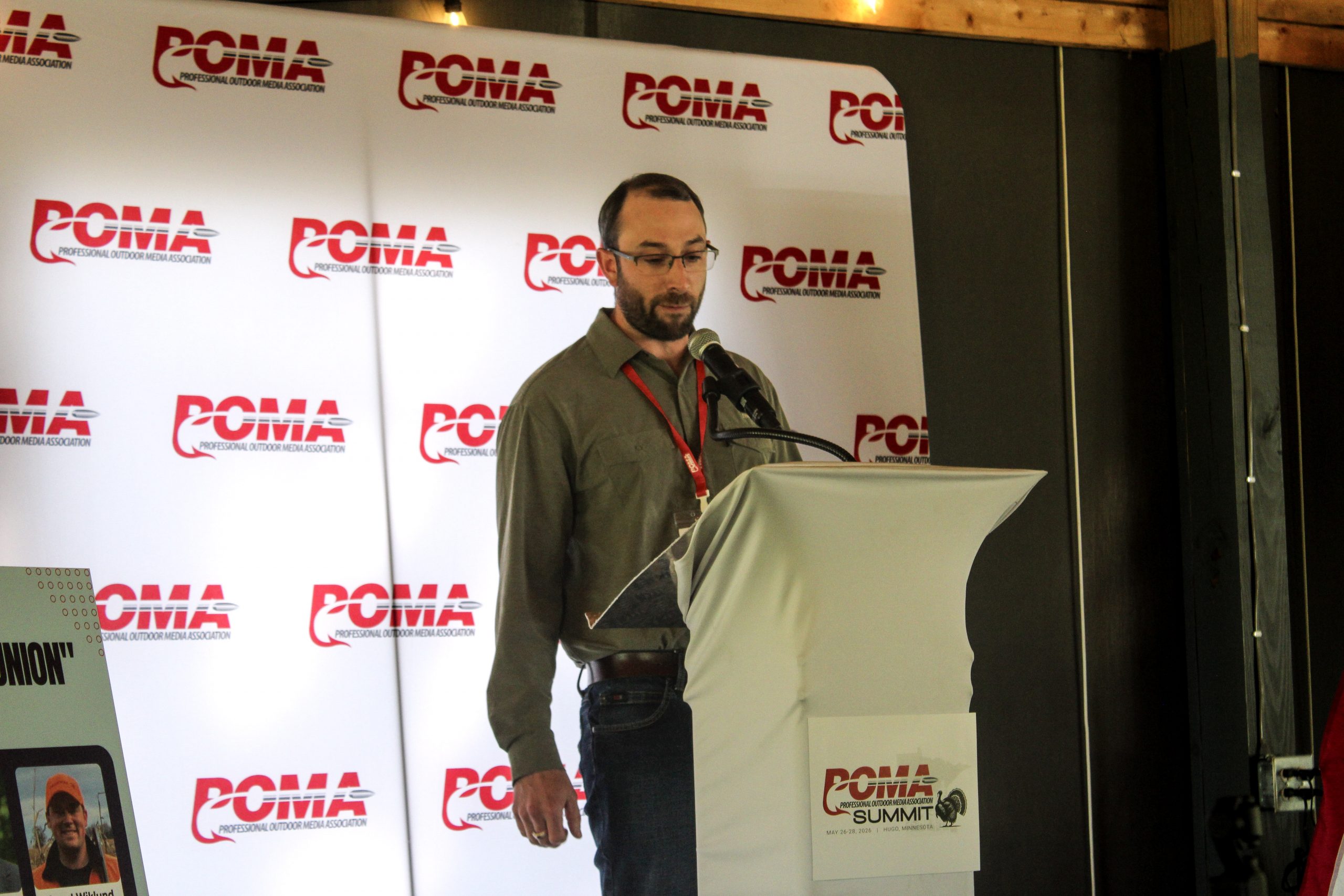
Wightman participated in the “Wildlife State of the Union” panel alongside representatives from several leading conservation organizations. The discussion brought together experts from across the conservation community to share insights on national priorities, emerging challenges and opportunities shaping the future of wildlife and habitat conservation.
Hosted during the final day of the summit, the fast-paced panel featured perspectives from organizations representing a wide range of game species and conservation missions, while also engaging outdoor media professionals through audience questions and discussion.
Additional participants included Mike Sidders, vice president of marketing and communications for Delta Waterfowl; Nick Pinizzotto, president and CEO of the National Deer Association; Jared Wiklund, director of communications for Pheasants Forever and Quail Forever; Karl Malcolm, vice president of conservation for the Ruffed Grouse Society & American Woodcock Society; and James Shin, director of marketing and communications for Safari Club International.
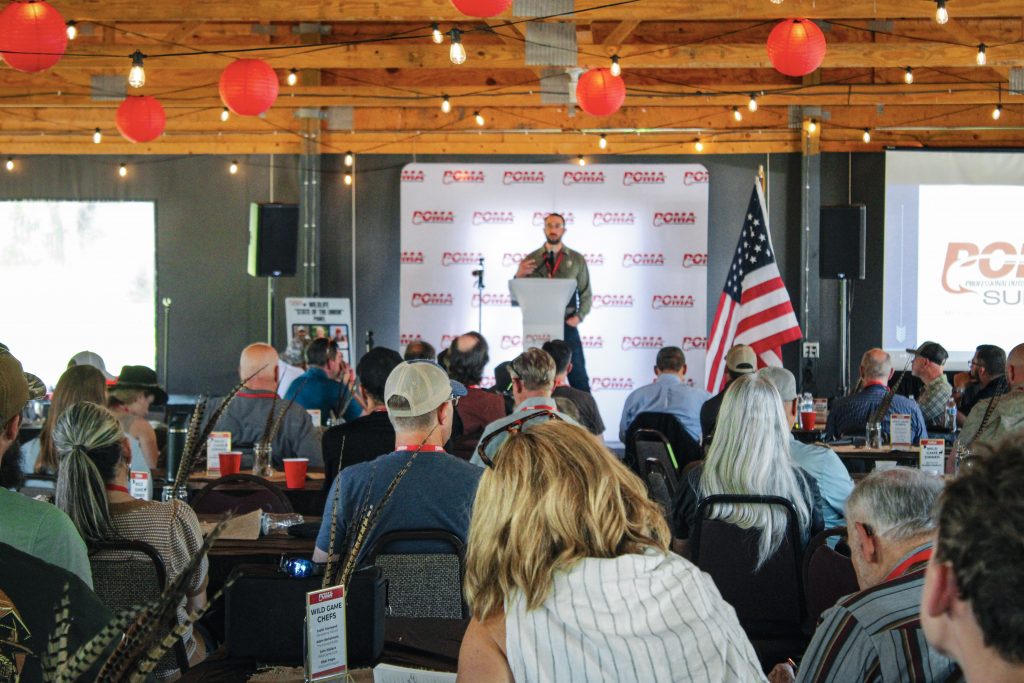
During the panel, Wightman provided an overview of the current status of wild turkeys across their range, noting that conditions are not uniform nationwide. He highlighted ongoing concerns in portions of the eastern range where populations have shown localized declines, while also acknowledging stable or expanding populations in other regions where habitat conditions remain strong. He emphasized that understanding these differences is critical to developing targeted, science-based conservation strategies, rather than one-size-fits-all approaches.
“The status of the wild turkey depends on where you are in the country,” Wightman said. “Turkey populations are at different levels across the landscape and facing different stressors, and the solutions have to match both the problem and the scale.”
The conversation also highlighted the growing importance of landscape-scale conservation initiatives and the role of coordinated habitat management in improving wildlife outcomes. Wightman pointed to NWTF-led regional initiatives such as Forest and Flocks, Roots to Roost, Habitat for the Hatch and Waterways for Wildlife, noting that these initiatives are designed to tailor conservation delivery to the specific habitat needs and ecological challenges of different regions.
Looking ahead, Wightman discussed the NWTF’s evolving research priorities and the organization’s Research Grants Program, which is helping guide future science investments. Over the past four years, the NWTF has supported 35 research projects across 26 states, leveraging approximately $2 million in NWTF funding into more than $22 million in total conservation impact through partner matches. The organization recently launched its fifth year of the program.
“Our goal with the Research Grants Program is to make sure the science we support is directly connected to conservation delivery,” Wightman said. “We want these projects to answer questions that help agencies, managers and partners make informed decisions on the ground, whether that relates to habitat management, population monitoring or broader wild turkey conservation priorities.”
Overall, the panel reinforced the importance of science-based wildlife management, cross-organizational collaboration and continued support for conservation systems that sustain America’s hunting heritage and outdoor traditions.
The POMA Annual Summit brings together outdoor communicators, conservation leaders and industry professionals from across the country to discuss issues impacting wildlife, conservation policy, hunting, shooting sports and outdoor recreation.
The NWTF continues to work alongside partners nationwide to conserve critical wildlife habitat, advance scientific research and ensure the future of healthy wild turkey populations and America’s outdoor lifestyle.
About the National Wild Turkey Federation
Since 1973, the National Wild Turkey Federation has invested over half a billion dollars into wildlife conservation and has positively impacted over 25 million acres of critical wildlife habitat. Since 2022, the NWTF has also invested over $2.3 million in critical wild turkey research that, when leveraged with partner contributions, has resulted in more than $22 million to guide the management of the wild turkey and to ensure sustainable populations. The organization continues to deliver its mission by working across boundaries on a landscape scale to deliver healthy forests and wildlife habitats, clean and abundant water, resilient communities and robust recreational opportunities. With the help of its dedicated members, partners and staff, the NWTF is committed to creating a nation united by the life-changing power of the outdoors.