NWTF Volunteers Improve Washington Wildlife Habitat and Public Access
EDGEFIELD, S.C. — Members of the National Wild Turkey Federation's Nisqually River Chapter recently joined forces with the Washington Department of Fish and Wildlife (WDFW), Backcountry Hunters & Anglers Armed Forces Initiative (BHA-AFI) and local Scouts to remove more than 1,250 yards of outdated agricultural fencing from the Violet Prairie Unit of the Scatter Creek Wildlife Area in western Washington.
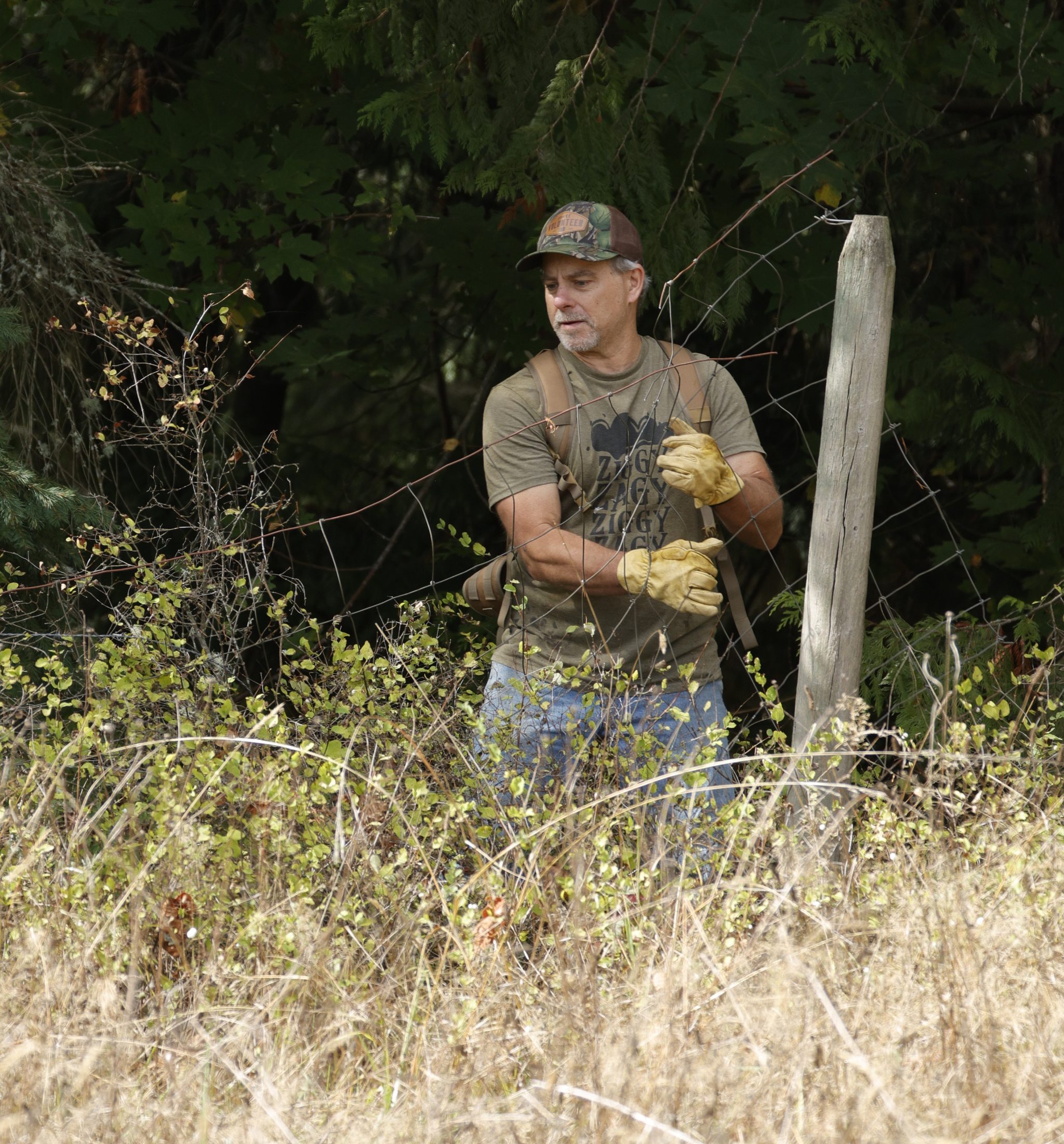
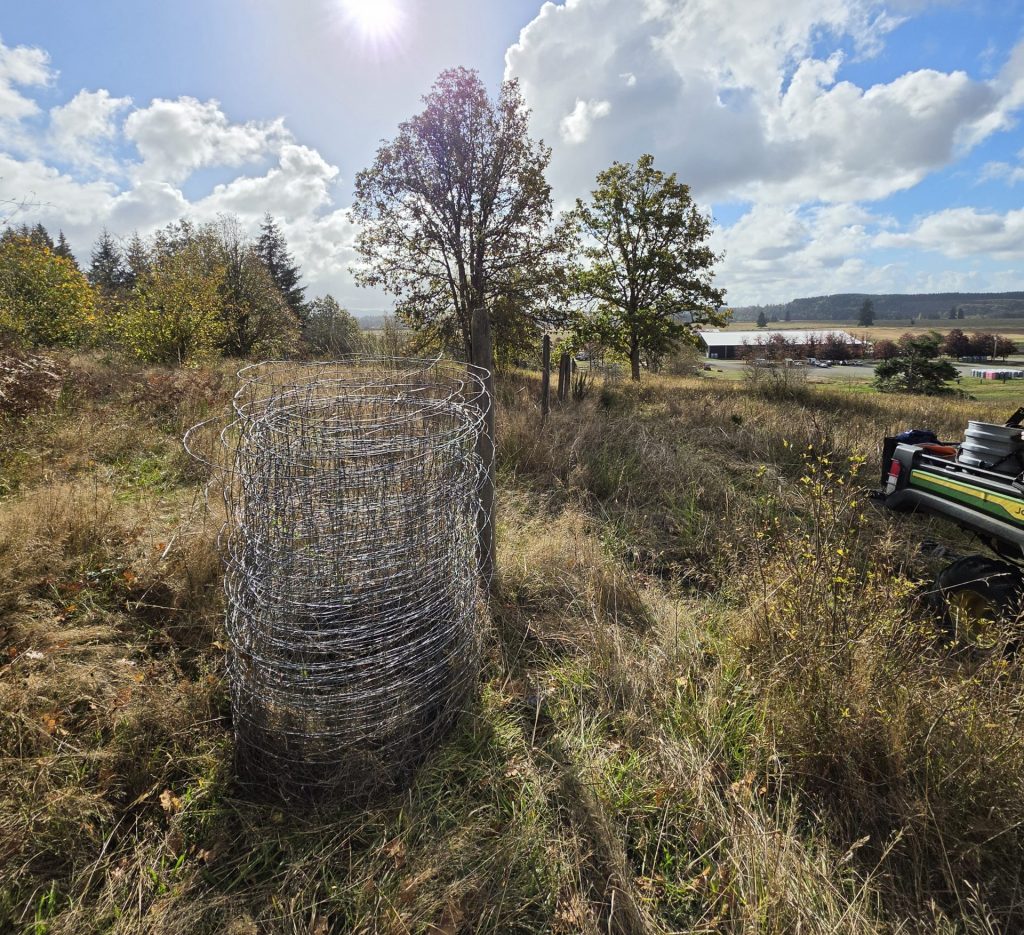
The workday brought together 16 volunteers who spent the day cutting and rolling barbed wire and field fencing, pulling deteriorating fence posts and clearing obstacles left behind by the property's agricultural past. The effort builds on an earlier workday held Jan. 11, coinciding with the birthday of renowned conservationist Aldo Leopold, when volunteers removed an additional 800 yards of fencing.
Together, the two workdays have cleared more than 2,000 yards of obsolete fencing, improving wildlife movement across the landscape while making the property easier to navigate for hunters and other public land users in areas where access is permitted.
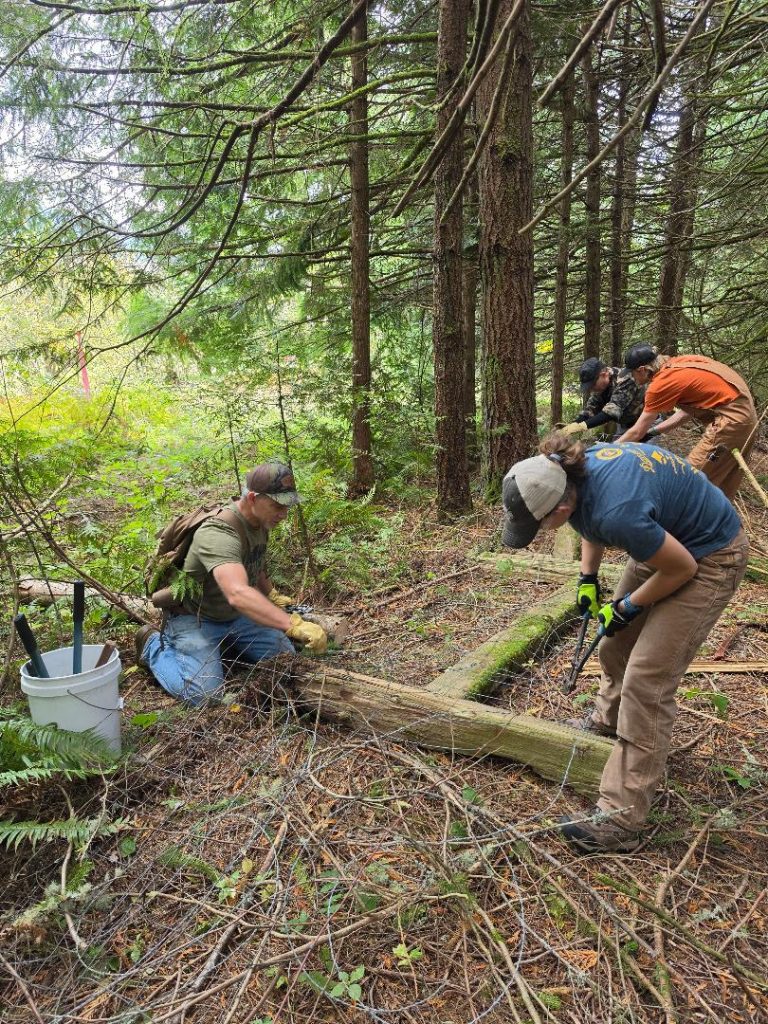
For a property supporting wildlife as diverse as wild turkeys, elk, black-tailed deer, black bears and numerous nongame species, removing these unnecessary barriers is an important part of maintaining a connected landscape.
The Violet Prairie Unit is also part of a much larger conservation effort in Washington's South Puget Sound region. According to WDFW, the unit's first two acquisition phases conserved approximately 1,040 acres within the Scatter Creek watershed, a key component of Thurston County's prairie-oak conservation network. The property includes mixed conifer forests, prairie and oak woodland habitats, supporting wildlife species with a wide range of habitat needs.
Puget lowland prairies and oak woodlands once covered much of the region, but less than 10% of the original prairie landscape remains today. The Violet Prairie Unit supports the federally threatened Mazama pocket gopher and offers potential habitat for other sensitive species, including the Oregon vesper sparrow, streaked horned lark and Taylor's checkerspot butterfly.
While removing old fencing helps wildlife move more freely, not every section of fencing is destined for disposal. Approximately 300 yards of material removed during the October workday will be repurposed elsewhere on the unit, where WDFW uses managed cattle grazing alongside prescribed fire to maintain and restore prairie habitat. Reusing the material reduces the need to purchase new fencing and helps stretch conservation dollars further.
Beyond the fence-clearing effort, the project offered an opportunity to bring together conservationists of different ages and backgrounds, including military veterans, active-duty service members, young hunters and Scouting families.
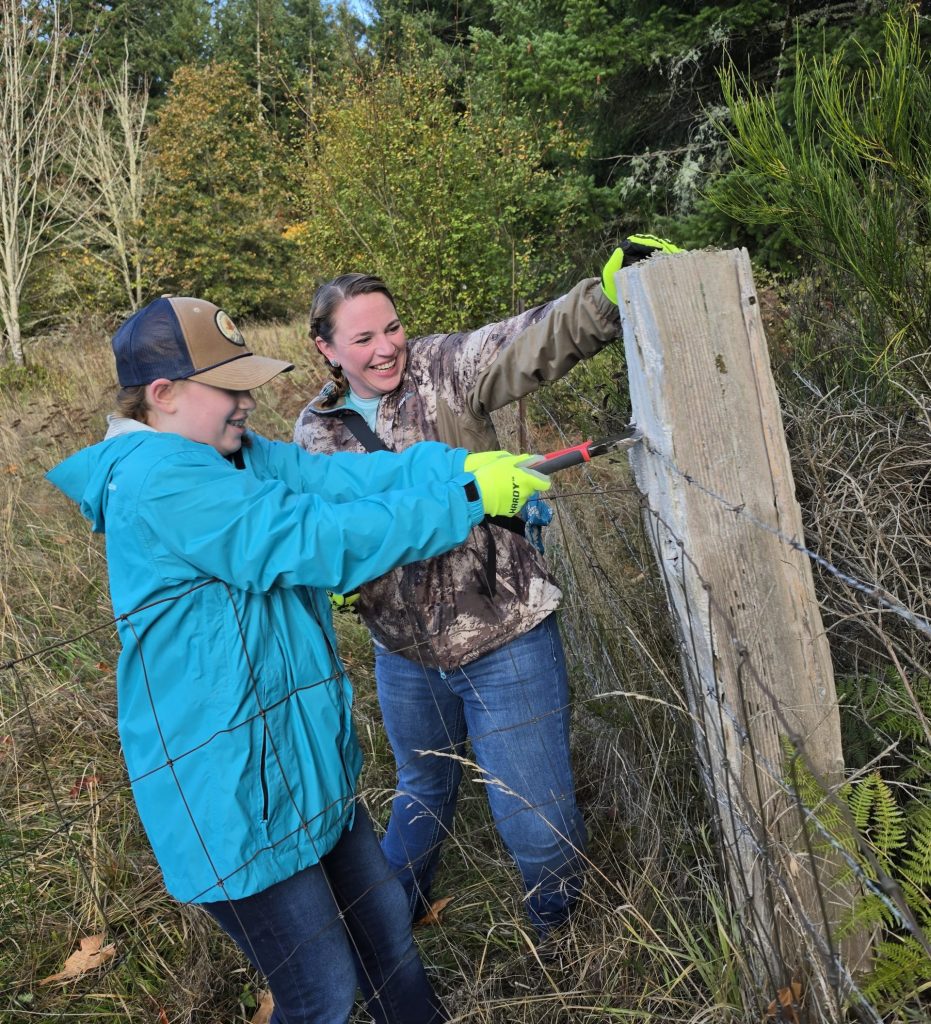
Among those lending a hand were NWTF JAKES member Hailey Koster and her mother, Mariah Koster, Scoutmaster of Scouts BSA Troop 481 in Olympia. The pair worked side by side removing old fencing, demonstrating how hands-on conservation projects can introduce the next generation to the responsibility of caring for wildlife and public lands.
Nisqually River Chapter member and U.S. Marine Corps veteran Matt Schreiber also joined the effort, alongside volunteers from the Joint Base Lewis-McChord chapter of BHA's Armed Forces Initiative.
The October project was one of several collaborations between the NWTF and JBLM BHA-AFI in 2026. In March, Grimm led a virtual Turkey 101 seminar for veterans and active-duty service members participating in BHA-AFI's spring turkey camp. The organizations also partnered for the NWTF's annual State Chapter JAKES Day in July and an August Gold Star Day event at WDFW's South Sound Wildlife Area, supporting families of service members who died while serving.
These continued partnerships demonstrate how conservation can connect communities through shared experiences, outdoor education and meaningful work on the landscape.
"Nisqually NWTF is always reliable," said Leif Wywadis, JBLM BHA-AFI liaison. "We really appreciate their chapter members and their commitment, they are a great group to work with."
For the NWTF, conservation extends beyond individual species or projects. It means maintaining healthy, connected landscapes that benefit wildlife, provide opportunities for hunters and outdoor enthusiasts and preserve the natural resources that future generations will inherit.
At Violet Prairie, every roll of discarded fencing and every post pulled from the ground represents another obstacle removed and another example of what dedicated volunteers can accomplish together.
About the National Wild Turkey Federation
Since 1973, the National Wild Turkey Federation has invested over half a billion dollars into wildlife conservation and has positively impacted over 25 million acres of critical wildlife habitat. Since 2022, the NWTF has also invested over $2.7 million in critical wild turkey research that, when leveraged with partner contributions, has resulted in more than $25 million to guide the management of the wild turkey and to ensure sustainable populations. The organization continues to deliver its mission by working across boundaries on a landscape scale to create healthy forests and wildlife habitats, clean and abundant water, resilient communities and robust recreational opportunities. With the help of its dedicated members, partners and staff, the NWTF is committed to creating a nation united by the life-changing power of the outdoors.