NWTF, Texas Parks and Wildlife Continue Longstanding Conservation Partnership at Matador WMA
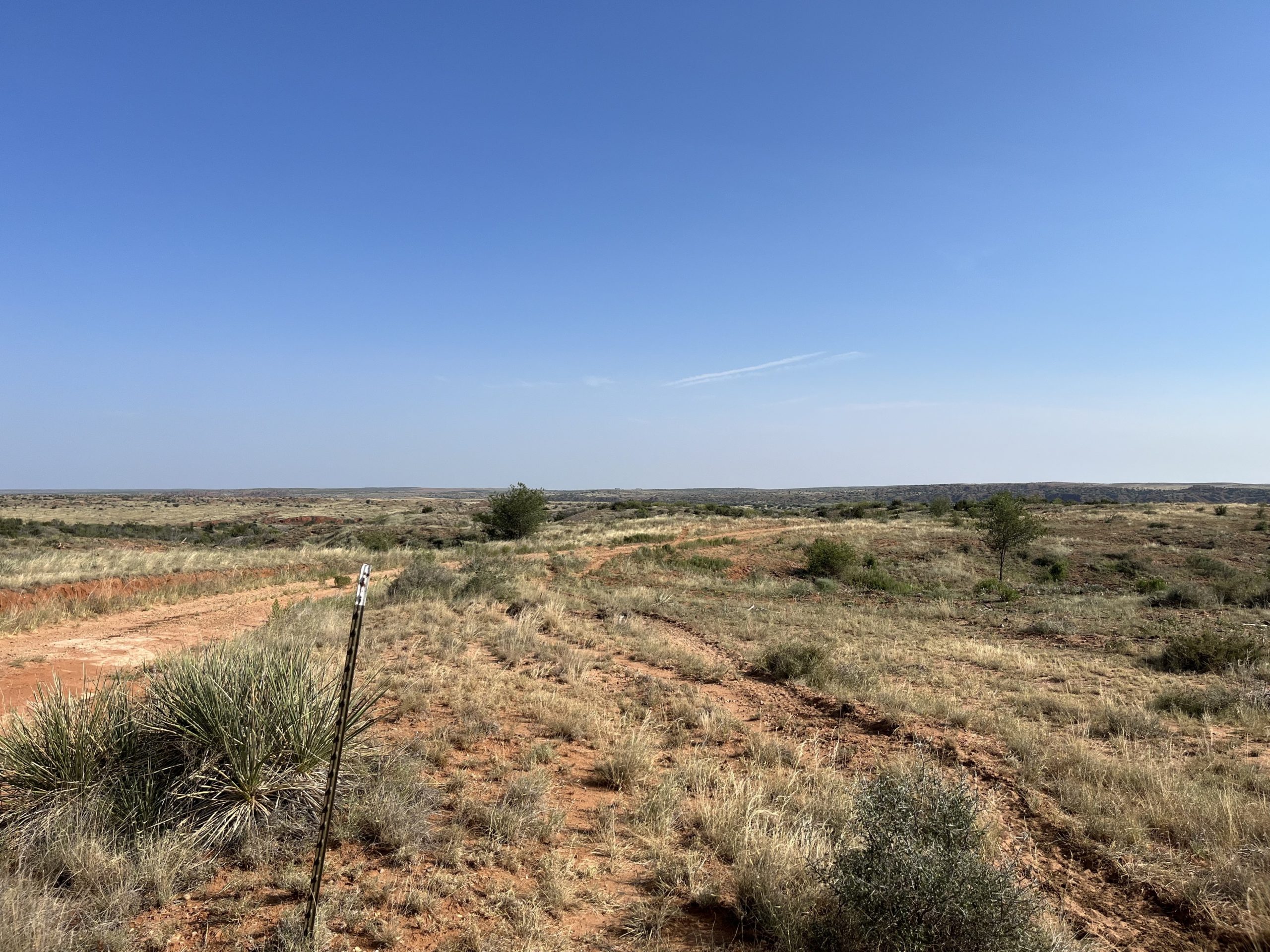
The National Wild Turkey Federation and Texas Parks and Wildlife Department are continuing more than 15 years of collaborative conservation at the Matador Wildlife Management Area in Cottle County, Texas, with the recent completion of a 282-acre habitat enhancement project designed to restore native grasslands, improve wildlife habitat and support safer, more effective prescribed fire management.
“The National Wild Turkey Federation has been one of our most important conservation partners at the Matador WMA for more than two decades,” said Chip Ruthven, TPWD project leader for Panhandle WMAs. “The Matador WMA has long served as a site for wild turkey research and is a popular WMA for public hunting opportunities for wild turkey. Support through NWTF Super Fund projects is critical for our ability to achieve many of our WMA goals including serving as a research and demonstration area, restoring and managing grassland habitats to the benefit of all grassland wildlife, and providing quality public hunting opportunities for wild turkey and many other game species.”
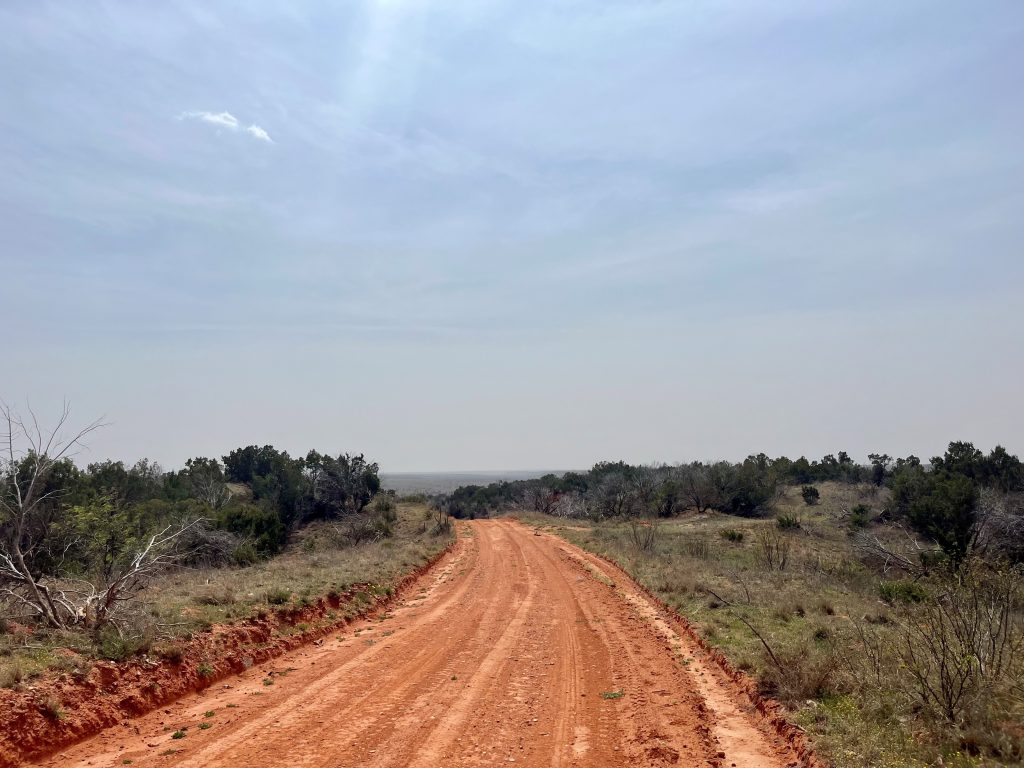
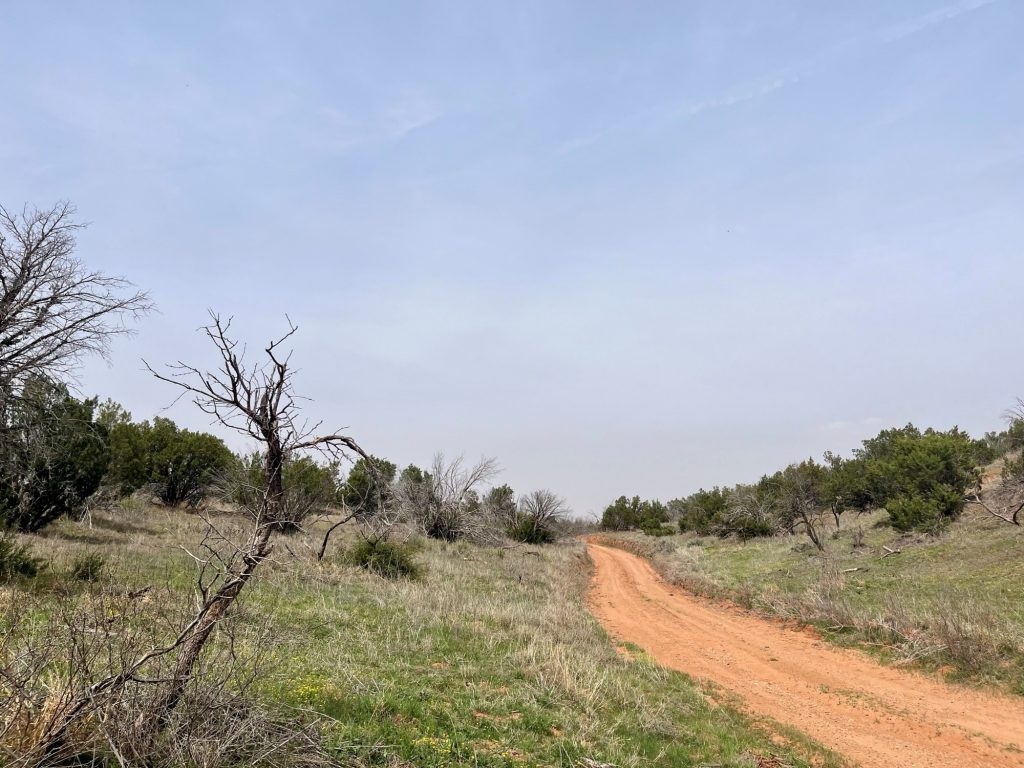
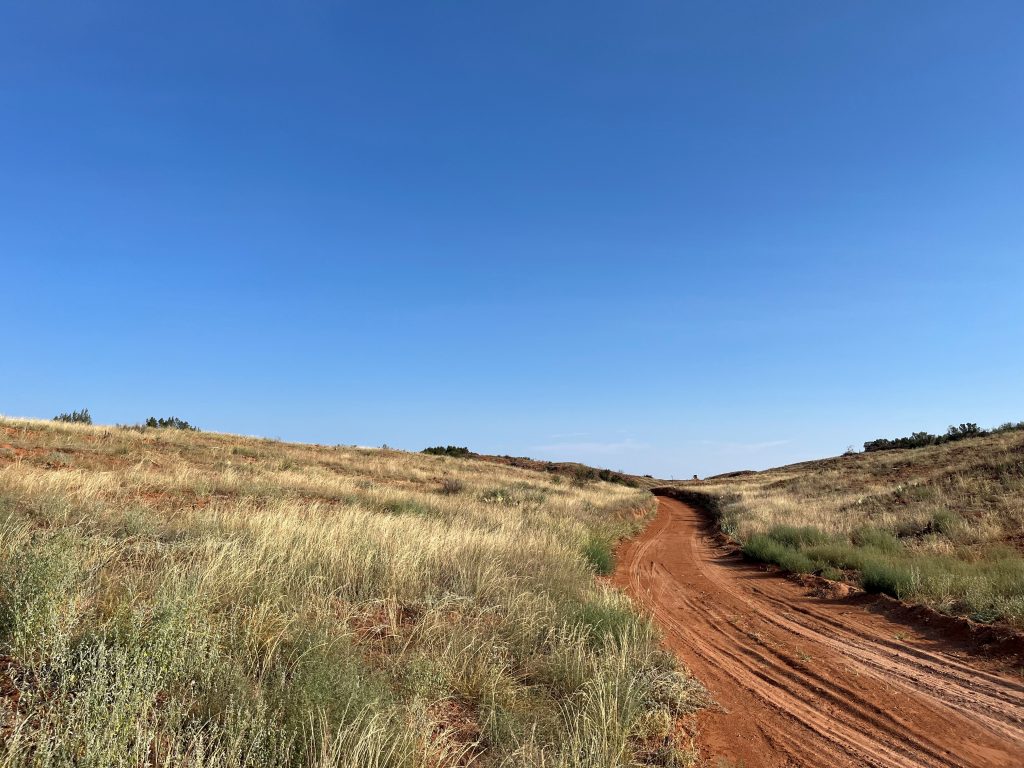
Completed in April 2026, the Matador WMA fireguard grubbing project targeted dense stands of redberry juniper and honey mesquite that had spread into the area's upland prairie savannah, crowding out native grasses and wildflowers and complicating prescribed fire operations.
Though both species are native to Texas, their increasing density in historically open grasslands can diminish habitat quality for wild turkeys, northern bobwhite quail and other wildlife that depend on a diverse mix of grasses, flowering plants and open ground.
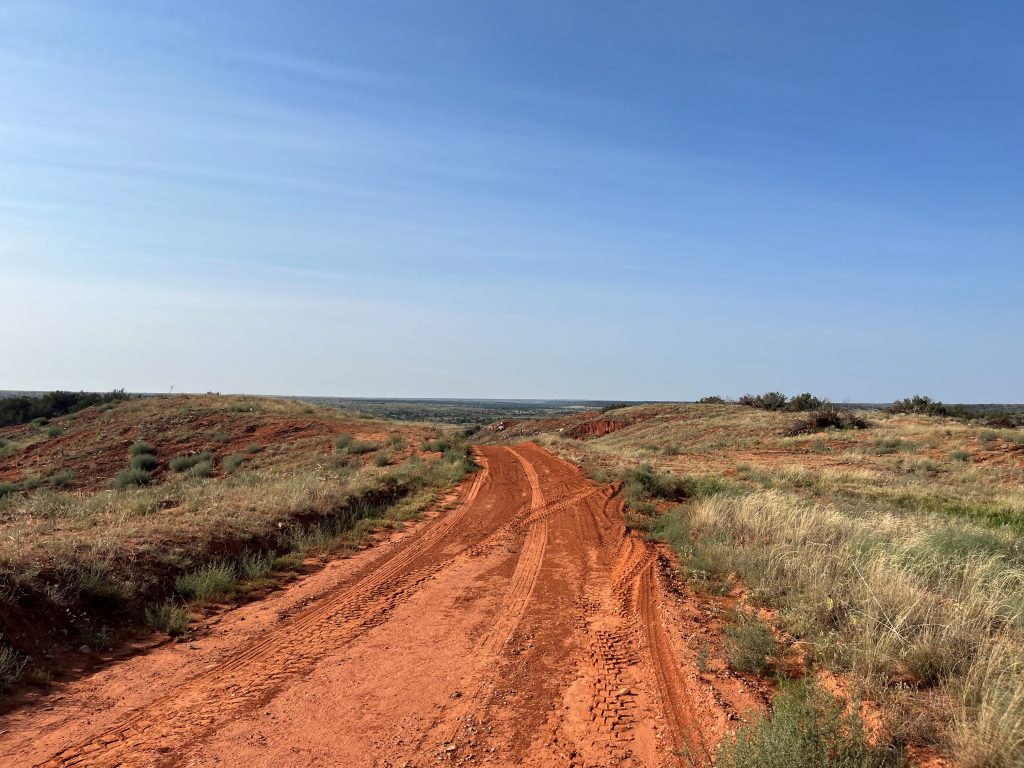
Contractors used specialized equipment to remove woody vegetation within 300 feet of designated firebreaks, reopening portions of the landscape to native plant growth and reducing hazardous fuels along prescribed fire boundaries.
"Conservation isn't accomplished through a single project or a single year of work," said Annie Farrell, NWTF district biologist for Texas, Kansas, Nebraska and Oklahoma. "Our longstanding partnership with Texas Parks and Wildlife at the Matador demonstrates the value of continued investment in a landscape. We're not just removing brush; we're restoring the conditions wildlife need to thrive and giving land managers the tools to sustain those improvements for years to come."
For wild turkeys and northern bobwhite quail, healthy grasslands provide essential nesting and brood-rearing habitat. Native grasses offer nesting cover, while wildflowers and other broadleaf plants support the insects young birds rely on for food.
By reducing woody plant competition, the project creates opportunities for these beneficial plants to recover, improving habitat for ground-nesting birds while also supporting white-tailed deer, mule deer, pollinators and grassland songbirds.
The benefits extend beyond wildlife. Healthy native grasslands help stabilize soil, improve water infiltration and strengthen the landscape's ability to withstand environmental stress.
Just as importantly, the project supports one of the most effective tools for maintaining these ecosystems: prescribed fire.
Fire historically helped shape Texas' grasslands, limiting woody vegetation and encouraging new plant growth. But dense juniper and mesquite along firebreaks can burn intensely, complicating efforts to keep prescribed burns within designated boundaries. Removing these fuels helps reduce that risk and allows TPWD to more effectively use fire as an ongoing habitat management tool.
The latest project builds on more than 15 years of collaboration between the NWTF and TPWD at Matador WMA, where numerous habitat improvements have contributed to the long-term stewardship of the landscape, and that commitment matters. Grassland restoration is not a one-time effort. Without continued management, woody vegetation can reclaim restored areas, diminishing the benefits of previous conservation investments.
The $40,000 project was supported by a $10,000 NWTF investment and $30,000 in federal Pittman-Robertson Wildlife Restoration funds, which are generated through excise taxes on firearms, ammunition and certain archery equipment.
For hunters and NWTF members, the project illustrates how conservation dollars translate into tangible improvements on the ground. By combining resources and expertise, conservation partners can accomplish more than they could independently, improving habitat while supporting the wildlife populations and outdoor traditions that connect people to these landscapes.
With mechanical treatments complete, the next phase of the project will focus on maintaining and monitoring the restored habitat. TPWD will use seasonal photo monitoring to document vegetation changes and evaluate how the landscape responds to treatment. Future prescribed burns, targeted brush control and rotational grazing will help maintain the open grassland conditions established through the project.
As the NWTF and TPWD build on their longstanding partnership at Matador WMA, the latest project serves as another example of how consistent collaboration and strategic conservation investments can improve wildlife habitat, strengthen landscape resilience and help preserve Texas' rich hunting and outdoor heritage.
For NWTF members, it is a reminder that the impact of their support reaches well beyond the wild turkey. It can be seen in healthier grasslands, more diverse wildlife habitat and the continued care of the places that make hunting and outdoor recreation possible.