NWTF Supports Prescribed Fire Partnerships to Improve Missouri Wild Turkey Habitat
Across the Midwest, where much of the landscape is privately owned, wildlife conservation often begins with the landowners who manage it. For wild turkeys, those individual efforts play an important role in maintaining healthy habitat across the region.
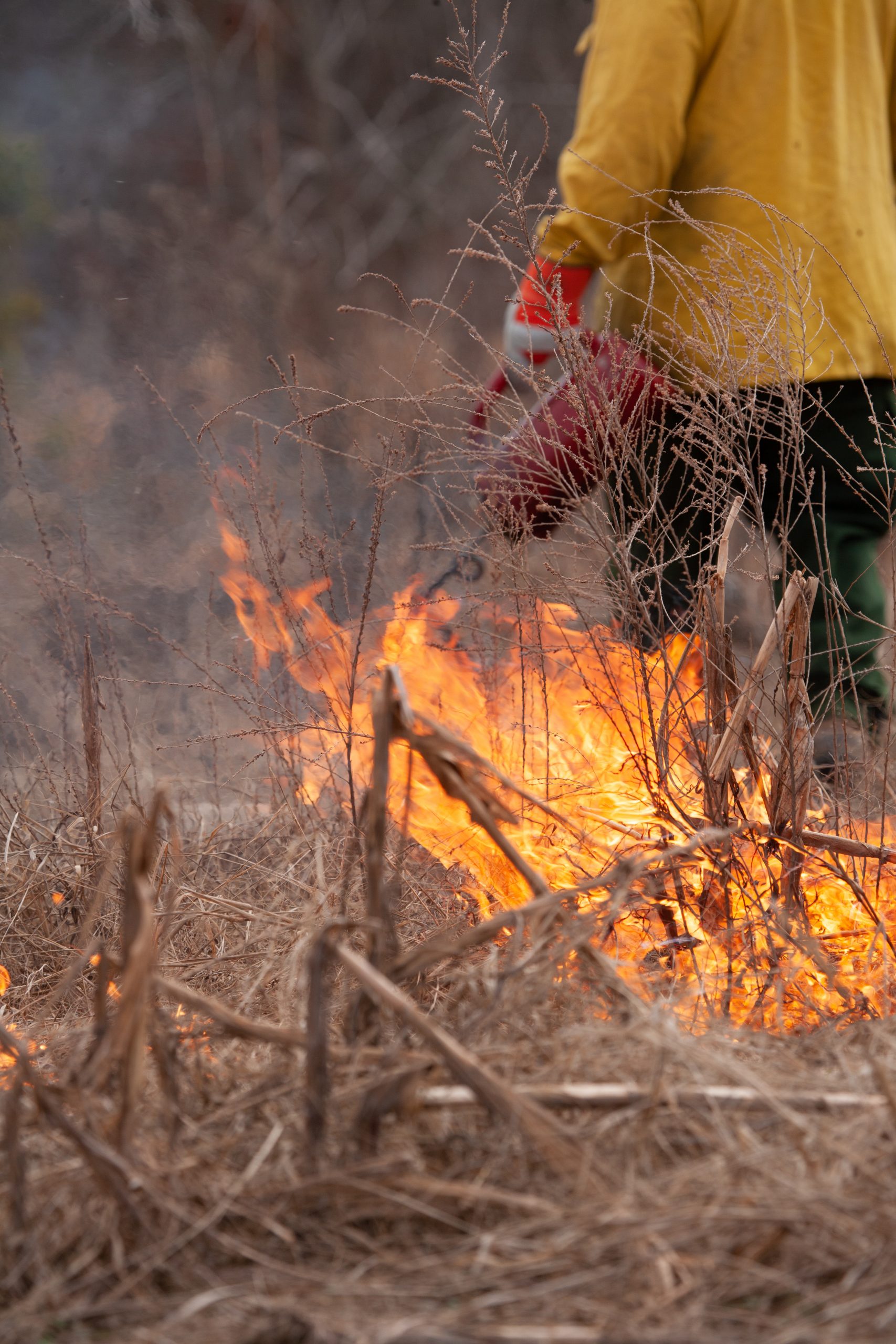
Prescribed burn associations (PBAs) help bridge the gap between private landownership and landscape-scale conservation by bringing landowners together to share equipment, resources and manpower needed to conduct prescribed burns safely and effectively.
In west-central Missouri, the National Wild Turkey Federation is supporting those efforts through an investment in equipment for the Upper Osage Prescribed Burn Association.
The investment will help strengthen the association's prescribed burning capabilities, supporting private landowners across St. Clair, Cedar, Polk, Vernon, Bates, Henry and surrounding counties.
Prescribed fire is an important habitat management tool, particularly in areas where eastern red cedar encroachment, dense understory vegetation and declining native plant communities can reduce habitat quality.
When applied under appropriate conditions, prescribed fire helps control unwanted woody vegetation, encourages native grasses and forbs, and maintains the open woodland and grassland conditions wild turkeys need throughout their life cycle.
However, putting fire on the ground takes more than a management plan.
Safe and effective prescribed burning requires proper equipment, reliable communication, favorable weather conditions and enough people to carry out the work. For individual landowners, obtaining the necessary tools and organizing a burn crew can present significant challenges.
That's where PBAs play an important role.
By pooling resources and bringing neighboring landowners together, these associations make prescribed fire more accessible while extending habitat improvements beyond individual property boundaries.
“In 2021, the right to burn law was passed in Missouri, and, at the same time, the Missouri Department of Conservation launched an online prescribed burn training course, and Pheasants Forever and Quail Forever hired a state-wide prescribed burn coordinator," said John Burk, NWTF district biologist. “These three critical pieces falling in place sparked a state-wide explosion of PBAs. There are currently 19 active PBAs throughout Missouri, including the Upper Osage. Getting the PBAs officially established is step one. Getting them outfitted with the proper equipment is step two. Most of the PBAs in Missouri are equipped with the proper gear we helped them get. We are thrilled about the burning culture that is taking hold and the impact this will have on turkey management on private lands throughout the state now and into the future."
Through the Super Fund investment, NWTF funded equipment including 10 handheld radios, 10 radio harnesses, a Kestrel weather meter, two water-carrying bladder bags and a portable pump system.
While each piece of equipment serves a different purpose, all are important to conducting safe, coordinated burns.
The radios and harnesses improve communication among crew members throughout a burn. The Kestrel provides real-time weather measurements, including wind speed and humidity, helping burn leaders monitor changing conditions. The bladder bags and portable pump improve access to water for containing spot fires and completing mop-up operations, particularly in areas inaccessible to vehicles.
Together, these tools strengthen the association's shared equipment inventory, allowing more participating landowners to access the resources needed for responsible prescribed burning.
Beyond the equipment itself, the investment supports the larger conservation goal: helping landowners work together to improve habitat across a connected landscape.
In a landscape where private landowners play such an important role in wildlife management, partnerships like the Upper Osage Prescribed Burn Association demonstrate how local collaboration and NWTF support can turn conservation goals into work on the ground.