NWTF, Partners Bolster Habitat Through Forest Stamp Program
For nearly 90 years, the Forest Stamp program in Virginia has turned funds from hunters and anglers into habitat improvement projects within the George Washington and Jefferson National Forest. The program is a collaborative effort between the USDA Forest Service, the Virginia Department of Wildlife Resources and nonprofit conservation partners like the National Wild Turkey Federation. This year, the Appalachian Conservation Corps helped bring the partnership to life in a unique way, setting up tents, putting boots on the ground and turning conservation goals into visible outcomes.
A recent project administered by the NWTF on the Clinch Ranger District of the national forest focused on invasive plant treatment at the Bee Bottom Wetland area. But the contractor that implemented the work wasn't the standard habitat contractor. It was a six-person crew from the Appalachian Conservation Corps, an organization that connects young people to critical conservation service projects across the Appalachian region.
"ACC has been a great partner, and the young people behind the organization are exceptional," said Cully McCurdy, NWTF district biologist. "They went into the project site, camped, and worked their tails off, working from daylight to dark, ultimately providing 80 hours improving habitat."
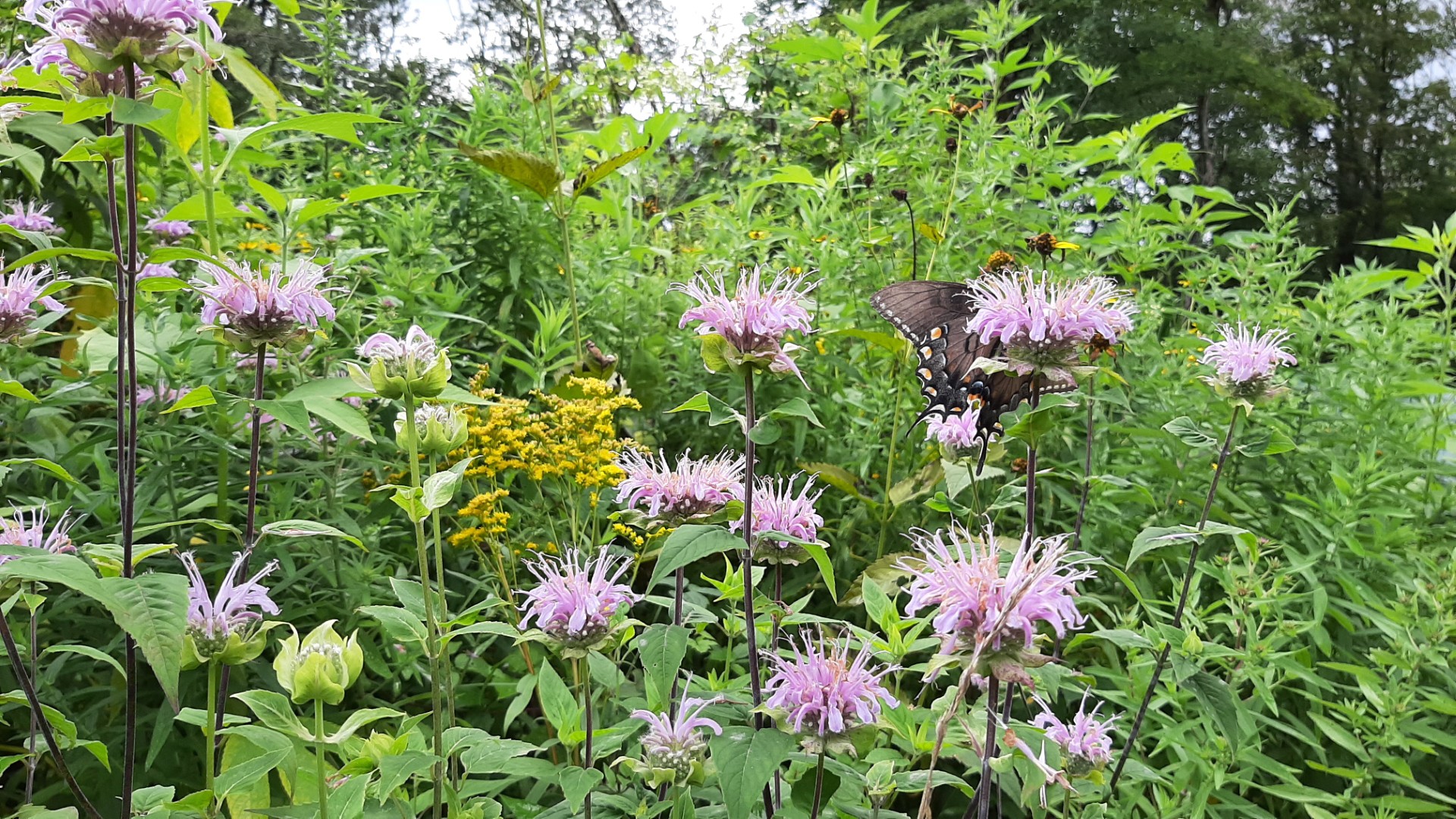
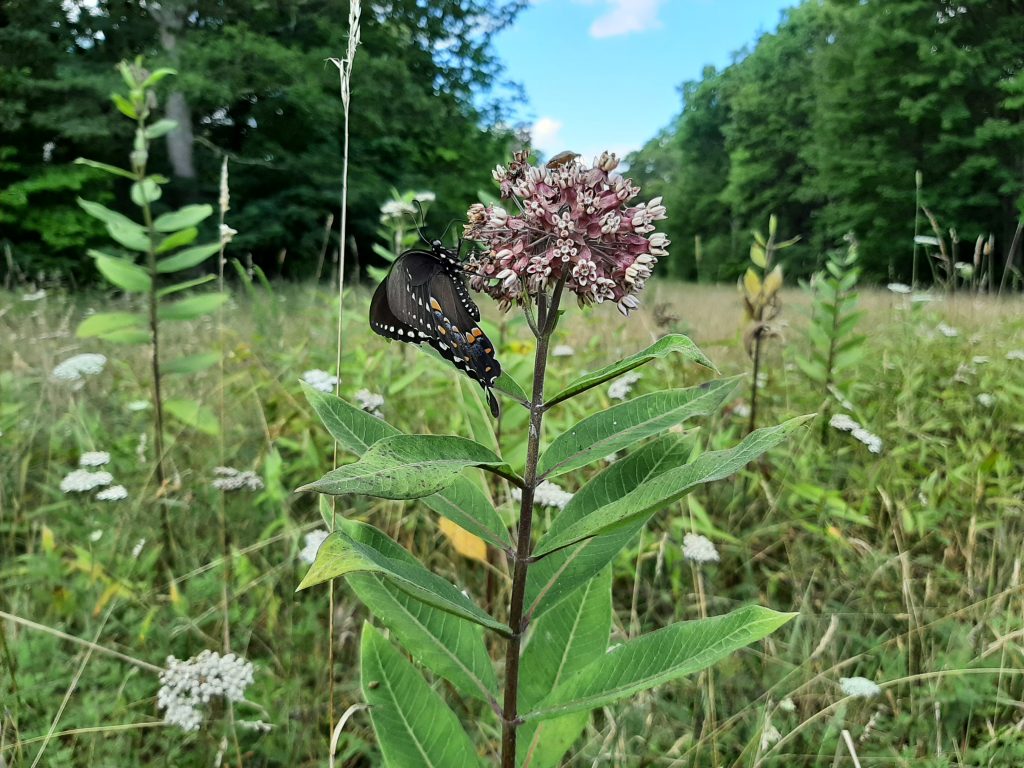
Specifically, the six-person team focused on removing non-native invasive species, such as autumn olive and multiflora rose, to promote diverse early successional habitat for wild turkeys, deer, waterfowl, migratory songbirds and other wildlife species. Projects like this are also critical for bolstering an abundance of desirable native plants that benefit pollinators, including several rare species of butterflies and bumblebees.
“The Bee Bottom Site has significant ecological value and it’s a site frequented by anglers and hunters as well as by people who just simply enjoy wildlife viewing and other recreation activities on public lands," said Lauren Reker, Forest Service Natural Resource Specialist. "Working with ACC to restore quality habitat has been essential. Effectively controlling non-native invasive vegetation is one of the most crucial components to restoring habitat functionality and resilience. Equally as important is bolstering the diversity of the native plant species that grow there. The nectar, seed, fruits and even the leaves of native plants provide the quality of food and cover that native insects and animals need to survive and prosper. Native herbaceous plants are especially adapted to attract local bees, butterflies and other insects that in turn feed birds and other wildlife as well as pollinate our crops and gardens.”
ACC partners with public land managers to complete projects that improve public access, habitat quality and economic development. The organization's programs focus on place-based learning, life skills development, appreciation of diversity, civic responsibility and career development.
"We really enjoy working with ACC for projects under the Forest Stamp Program umbrella," McCurdy said. "It is just so great to see so many aspects of our mission intersect through projects like these — putting the habitat on the ground for wild turkeys and other wildlife, increasing hunting and recreation quality and engaging the next generation. The Forest Stamp Program has accomplished so much, and we got some more exciting projects on the horizon with ACC and other partners."
Established in 1938, Virginia's National Forest Stamp program raises funds from the required stamps hunters and anglers must purchase to pursue game or fish within the George Washington and Jefferson National Forest. Stamp funds are collected by the VDWR and are then allocated to wildlife and fisheries habitat projects across the forests.
The DWR has previously stated that the NWTF has been particularly instrumental in the success of the Forest Service Stamp program, assisting with the administration of project contracts and the purchasing of supplies and equipment. The DWR also noted that without the NWTF’s involvement, habitat work would be delayed by governmental purchasing restrictions and funding limitations.
The NWTF also has a history of accelerating projects on the national forest through its Super Fund. For example, in 2024, the Virginia NWTF State Chapter provided $50,000 to supplement funds derived from the Forest Stamp program to ensure critical habitat projects were funded.
The Bee Bottom Wetland enhancement project is one of the recent examples of why the Forest Stamp program is so effective, and it is a testament to the partners who make the work a possibility in the first place.
“Bee Bottom is an ongoing project,” Reker said. “We've completed two phases there with ACC now, and we will be undertaking another phase in the spring. It’s truly incredible what the partnerships with ACC, NWTF and Virginia DWR have been able to accomplish on national forest lands.”