NWTF Joins Coalition Advocating for Forestry Inclusion in USDA Harvest Fuel Relief Program
The National Wild Turkey Federation is one of 46 organizations urging the U.S. Department of Agriculture to include private forest landowners, timber producers and eligible forestry operations in its newly announced $8 billion Harvest Fuel Relief Program.
Led by the Forest Landowners Association, the coalition includes organizations representing 22 states, alongside national forestry, conservation, agricultural and forest products interests.
In an Oct. 28 letter to USDA Secretary Brooke Rollins, the coalition requested that forestry operations be considered for the same assistance as other agricultural producers facing rising fuel and operating costs.
Unlike traditional row crop farming, tree farming often requires decades of planning, planting and management before the first commercial harvest. Throughout that process, landowners face rising expenses for equipment, labor, fuel and other resources necessary to maintain productive forests.
For the NWTF, supporting these landowners also means supporting wildlife habitat.
Wild turkeys depend on healthy forests for roosting, nesting and raising their young. Active forest management, including timber harvesting and thinning, can open the forest canopy, allowing sunlight to reach the forest floor and encouraging vegetation that provides food and cover for wild turkeys and other wildlife.
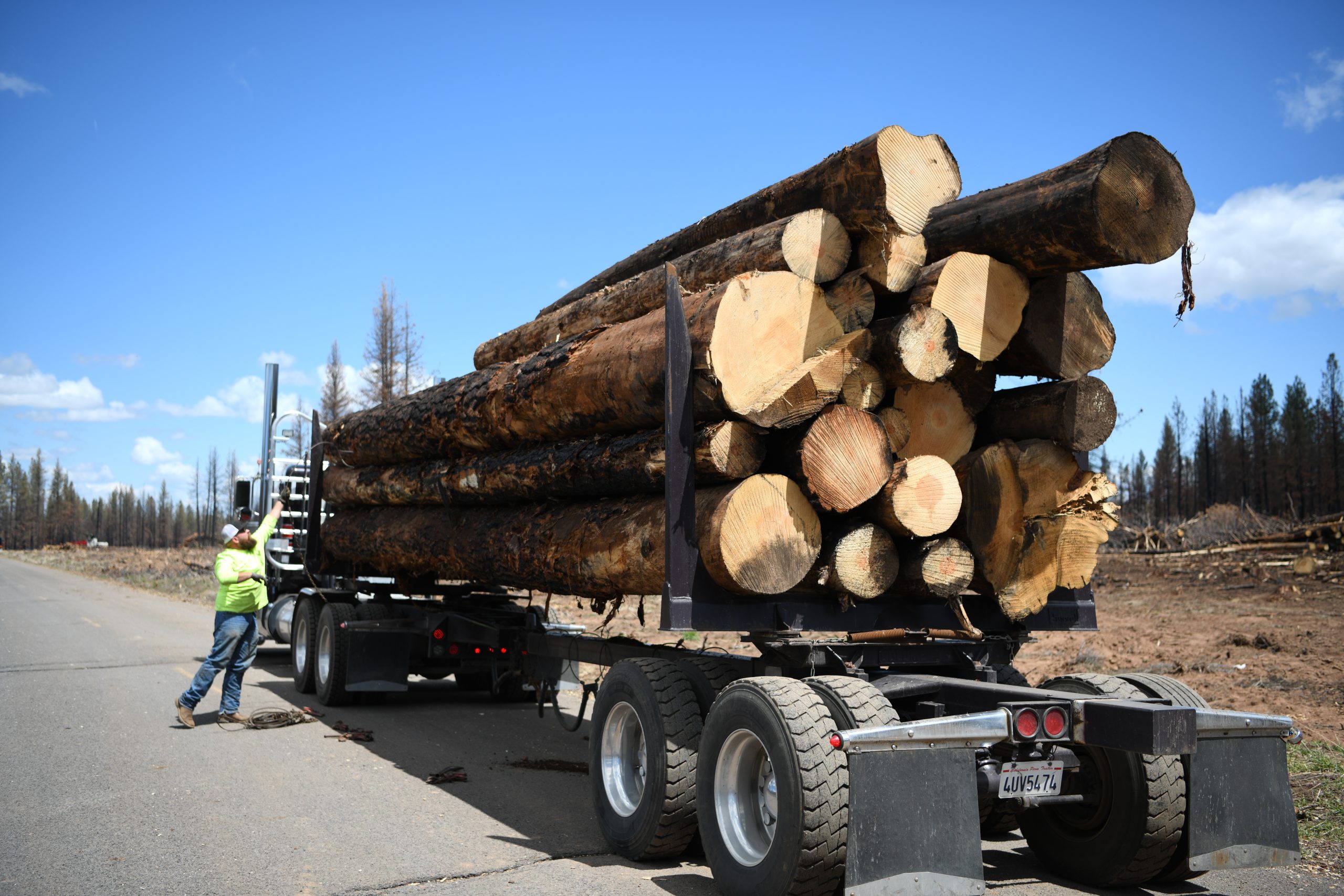
Logging crews also play an important role in carrying out forest management plans, making access to affordable fuel and equipment essential to their operations.
“Tree farmers and loggers are feeling the pinch as diesel prices skyrocket, reaching nearly $10/gallon in some states and over $5/gallon throughout the Southeast,” said Matt Lindler, NWTF director of government affairs. “Allowing tree farmers and the timber industry to participate in this relief program will help keep America’s family forests healthy and productive for wildlife, recreation and commercial wood fiber.”
As USDA considers the program's eligibility requirements, forestry stakeholders are encouraged to submit information documenting increased fuel, harvesting and transportation costs to HarvestFuel@usda.gov.
Through its participation in the coalition, the NWTF continues advocating for the landowners and forest management practices that help keep America's forests healthy, productive and beneficial to wildlife.