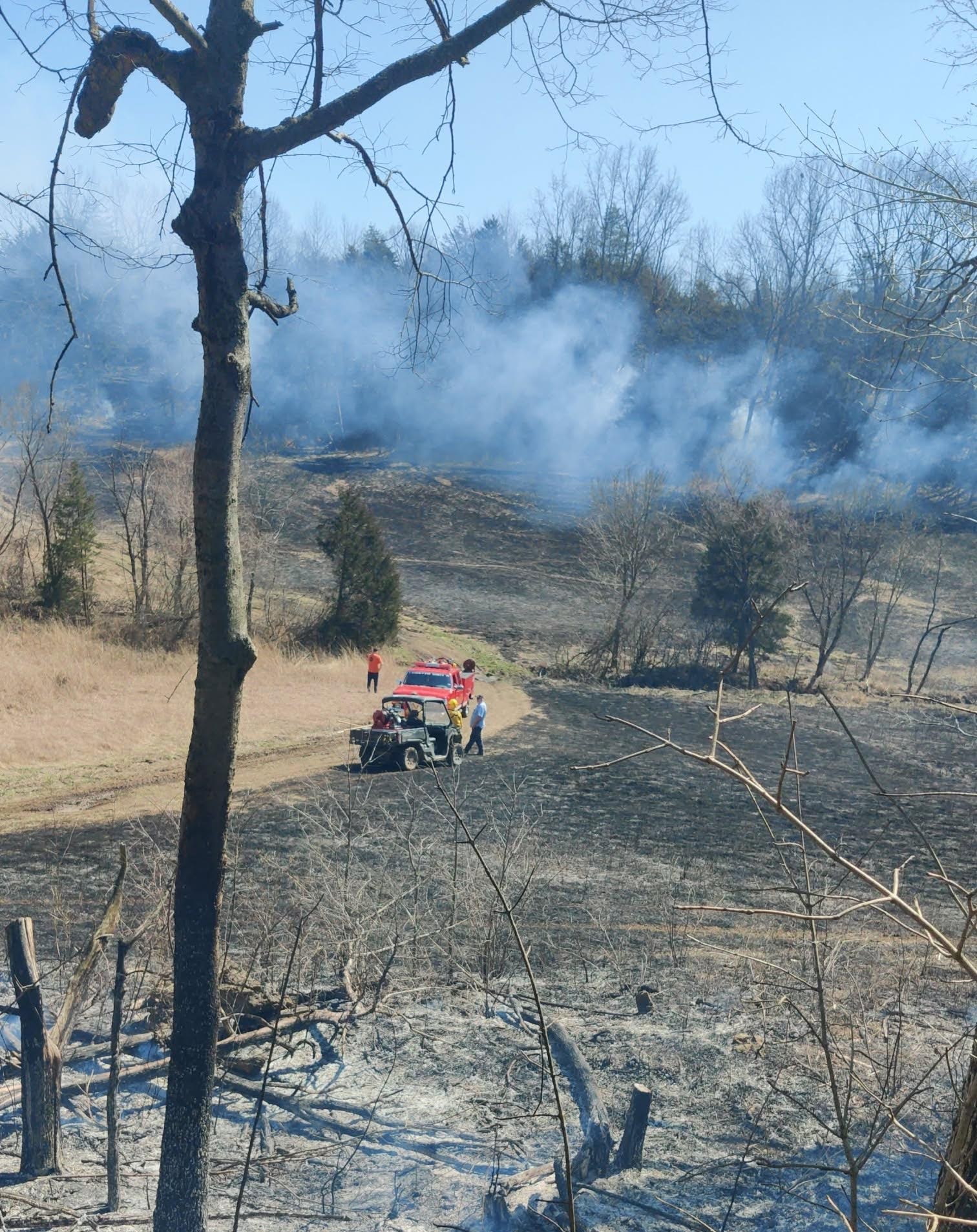
NWTF Investment Supports Prescribed Fire Across Kentucky
A $5,000 investment from the Kentucky State Chapter of the National Wild Turkey Federation is helping wildlife managers use prescribed fire to improve public lands across central Kentucky.
NWTF funding aided the Kentucky Department of Fish and Wildlife Resources with the purchase of a 45-gallon, gas powered prescribed fire unit which will be based at Taylorsville Lake Wildlife Management Area. The equipment can be used on five central Kentucky wildlife management areas and elsewhere in the region or state when needed.
Since the unit was purchased, it has become a regular part of prescribed fire work in the area.
“This piece of equipment has been invaluable to our Rx fire program here,” said Matthew Stevens, wildlife management area foreman. “On average, since we have had this unit, I’d say it has helped burn 1,500-plus acres annually.”
Prescribed fire is used by wildlife managers to maintain and improve habitat. At Taylorsville Lake WMA and surrounding areas, it is an important tool for promoting early successional habitat that benefits wild turkeys during nesting and brood rearing.
The project was originally expected to impact 16,713 acres across wildlife management areas in Spencer, Anderson, Nelson, Larue, Bullitt and Marion counties. Having the unit available allows Kentucky Department of Fish and Wildlife Resources staff to carry out prescribed fire work safely and efficiently while continuing to improve habitat on public land.
The unit also supports habitat work that the NWTF has previously helped fund in the area. Earlier NWTF investments contributed to native habitat projects at Taylorsville Lake WMA, Rolling Fork WMA and other nearby areas. Prescribed fire is now being used to help maintain and enhance some of those improvements.
At Taylorsville Lake WMA, prescribed fire has also been a major part of work on approximately 2,000 acres of oak savanna habitat on the Briar Ridge area. Staff working in the area have since reported a marked increase in both the number of wild turkey broods and the size of those broods.
The impact of the unit is not limited to habitat work, though.
“The equipment is not only helping with actual on-the-ground work but they have used it for education to talk about the importance of prescribed fire,” said Derek Alkire, NWTF director of conservation operations.
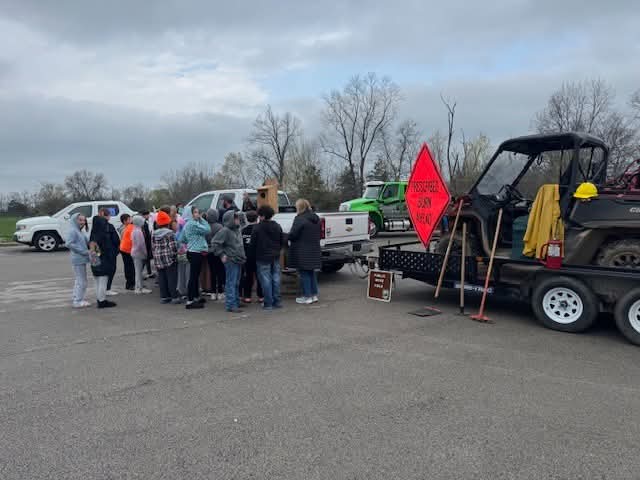
Stevens said the equipment has also been used at school events, giving staff an opportunity to introduce others to prescribed fire and the role it plays in wildlife management.
That combination of habitat work and education has allowed the original NWTF investment to continue producing results beyond the initial equipment purchase.
Wildlife management areas in Kentucky’s Bluegrass region are among some of the most heavily used in the state because of their proximity to population centers such as Louisville, Lexington and Elizabethtown. Improving those areas benefits the public-land hunters who use them while supporting habitat for wild turkeys and other wildlife.
With the unit now helping support more than 1,500 acres of prescribed fire annually, the $5,000 NWTF investment continues to make an impact on Kentucky’s public lands year after year.