NWTF Illinois Investing in Habitat, Hunting Heritage and the Future of Wild Turkeys
Across Illinois, the National Wild Turkey Federation’s Super Fund continues to put conservation dollars to work where they matter most: on the ground, improving habitat for wild turkeys while enhancing opportunities for hunters and outdoor recreationists. A few recent projects serve as powerful examples of how collaborative conservation delivers measurable benefits and impact wild turkeys for the better.
Devil’s Prop State Natural Area: Restoring Oak Woodlands and Building Better Brooding Habitat
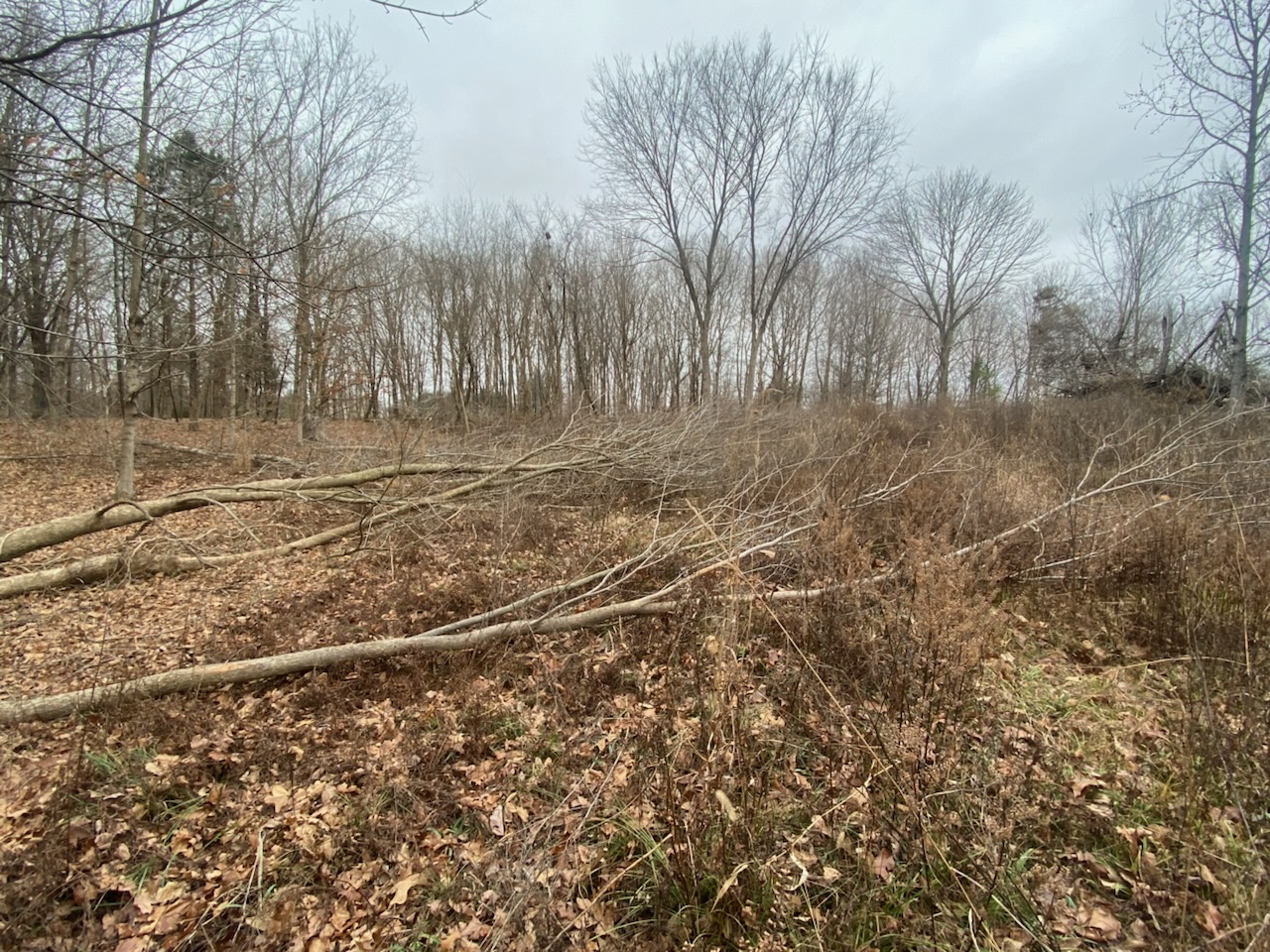
Tucked into Jefferson County, the Devil’s Prop State Natural Area is a high-quality, 40-acre oak-hickory woodland that already supports year-round wild turkey use. But like many hardwood systems across the Midwest, its canopy has grown too dense, shrinking sunlight, stifling herbaceous growth and reducing critical nesting and brooding cover.
To address this, the NWTF Rend Lake Limbhangers Chapter is partnering with the Illinois Department of Natural Resources on 30 acres of timber stand improvement (TSI) and an additional 3.5 acres of TSI paired with invasive autumn olive control. This work builds on an earlier phase funded by NWTF, which involved an 8-acre grassland and woodland enhancement unit creating a broader habitat complex ideal for turkey reproduction.
Why It Matters for Turkeys:
• Thinned canopies allow light to reach the forest floor, boosting herbaceous vegetation and insect abundance — key for poult survival.
• Improved forest structure encourages oak regeneration, supporting future mast production.
• More ground-level vegetation means better nesting and brooding habitat, two limiting factors across much of the Midwest.
A contractor will complete the initial treatments, with the Illinois Department of Natural Resources (IDNR) following up with prescribed burning and maintenance spraying. Monthly monitoring ensures the project stays on track.
For NWTF members, this is your Super Fund dollars making a real, measurable impact, revitalizing a public woodland that can also serve as an educational site to demonstrate quality turkey habitat management for years to come.
Sam Dale Lake State Conservation Area: Reviving Grasslands and Expanding Brooding Cover
In nearby Wayne County, the NWTF Forbes Lake Limbhangers Chapter and IDNR are spearheading a project at Sam Dale Lake that centers on two essential habitat types for turkeys: native grasslands and edge habitat.
This effort includes 3.5 acres of grassland restoration, including invasive removal of autumn olive, locust and maple. In addition, a 5-acre wildlife habitat unit will see the creation of 4 acres of pollinator habitat and a 1-acre food plot. Edge feathering will be used to create soft transitions between forest and field, creating great foraging zones for turkeys.
The field will be prepared and seeded between fall 2025 and winter 2026, with contractors handling initial spraying and IDNR managing establishment and follow-up work. Quail Forever biologists are also partners in the effort.
Why It Matters for Turkeys:
• Restored grasslands boost nesting and brooding habitat.
• Pollinator habitat increases insect availability, the primary food source for young poults.
• Edge feathering mimics natural disturbance processes, creating ideal turkey travel and feeding corridors.
For hunters, improved habitat here means not only stronger turkey numbers but higher-quality public land hunting experiences. Success will be tracked through monitoring and by listening to feedback from the hunters who use the area.
Shawnee National Forest Prescribed Fire Expansion: Restoring Forest Health at Scale
The Shawnee National Forest is one of Illinois’s ecological crown jewels, boasting 287,000 acres of hardwoods, glades, barrens and a rolling forested landscape that provide essential habitat for wild turkeys, deer and countless other species. Prescribed fire has long been a key management tool in this landscape, but implementation requires the right equipment.
The Illinois NWTF State Chapter is providing funding for two gas-powered Pyroshot ignition devices. These specialized tools dramatically increase ignition efficiency and safety for large burns. With these tools, USDA Forest Service staff expect to treat at least 2,400 acres, with an annual potential of up to 4,800 acres.
Why It Matters for Turkeys:
• Fire reduces dense understory clutter, creating more open, diverse habitat turkeys prefer.
• Burns stimulate grass and forb growth, increasing insect abundance for poults.
• Fire helps control shade-tolerant species like maple and beech, favoring oak regeneration.
• Landscape-scale fire improves habitat connectivity across public and private lands.
This project also aligns with the Illinois Wildlife Action Plan and the White Oak Initiative, placing NWTF squarely at the center of statewide conservation priorities.
For hunters, better habitat means stronger turkey populations, improved access and healthier forests that support multi-species recreational opportunities and overall healthier ecosystems.
Across these three projects, nearly 3,000 acres will be improved, ranging from oak woodlands to sprawling forested landscapes. They represent different habitats, different partner groups and different management strategies, but all share the same purpose of creating better, more resilient habitat that sustains wild turkeys and supports our hunting heritage.
These efforts are member-driven and made possible by banquets, donations and volunteerism. They are grounded in science, carried out through vital partnerships with state and federal agencies, NGOs and local NWTF chapters and are designed to benefit hunters and wildlife for decades to come.
Every acre treated, every invasive plant removed, and every prescribed burn conducted is part of a larger, statewide story: the story of NWTF members ensuring Illinois’ turkey habitats remain healthy for future generations.