NWTF and Partners Restore Aspen Habitat Through Indian Prairie Project
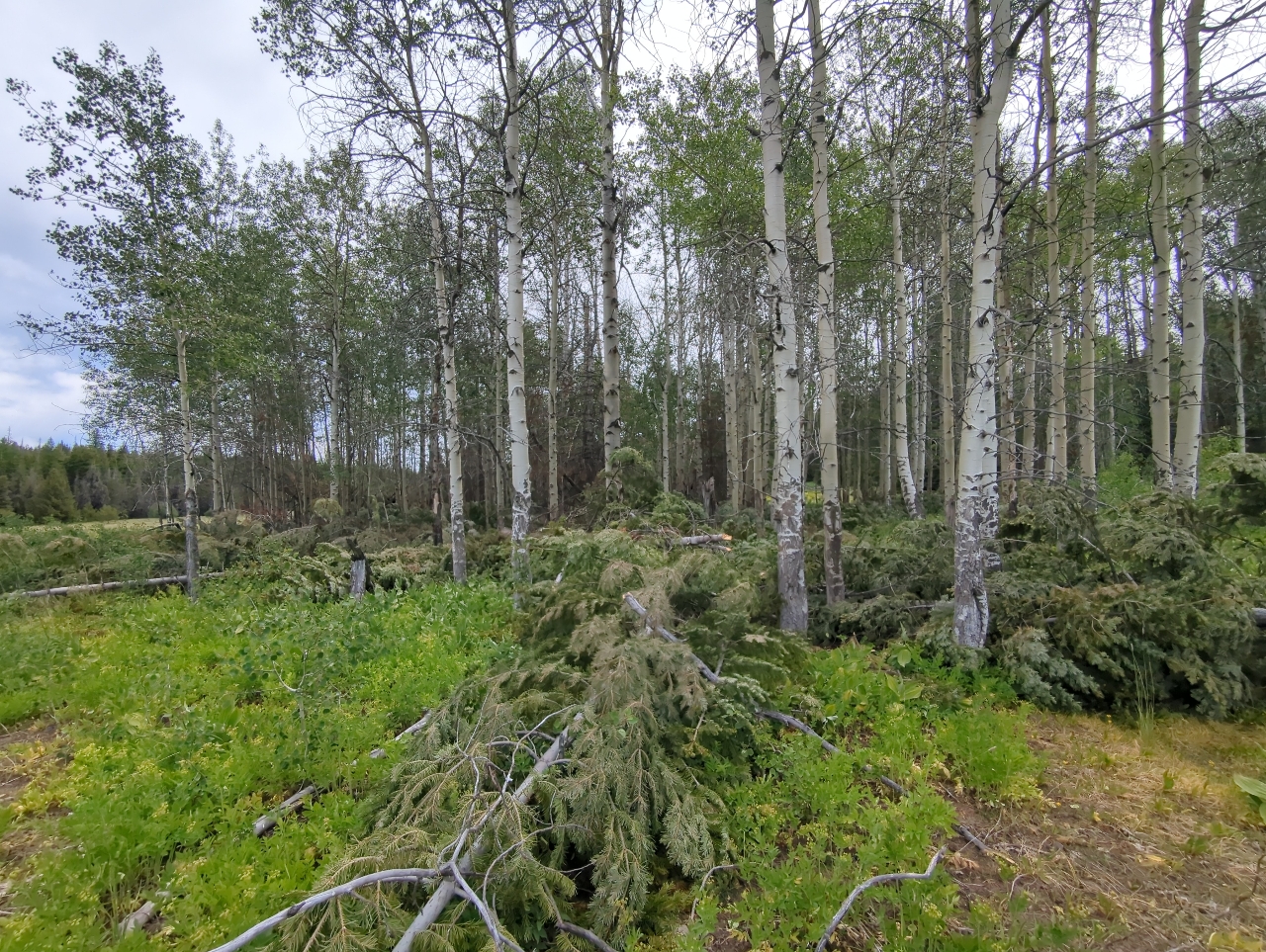
Recently, the National Wild Turkey Federation and conservation partners in central Oregon completed the Indian Prairie Project, restoring 43 acres of valuable aspen habitat by removing competing conifers and improving conditions for one of the West’s most important wildlife ecosystems.
The project builds upon previous restoration work completed in the nearby Sunflower Project area, continuing a long-term effort to improve wildlife habitat through strategic forest management. Funding for the Indian Prairie Project came through a collaborative partnership between the National Wild Turkey Federation’s Oregon State Chapter, the Rocky Mountain Elk Foundation and the Oregon Hunters Association, with each organization contributing $10,000 to make the work possible.
The restoration focused on non-commercial thinning within approximately 100 feet of live aspen, following site-specific prescriptions designed to reduce competition from encroaching conifers. The removed trees varied by treatment unit, ranging from 9 to 20 inches in diameter. By opening the canopy and increasing available sunlight, water and nutrients, the project helps stimulate healthy aspen regeneration and allows existing root systems to continue producing new shoots.
“Restoring aspen habitat is about much more than protecting a single tree species,” said Krista Modlin, NWTF district biologist for California, Oregon, Washington and Nevada. “Aspens create some of the most productive wildlife habitat found across the West, providing food, cover and nesting areas for a wide variety of species. By proactively managing competing vegetation, projects like Indian Prairie help ensure these ecosystems remain healthy and resilient for wildlife and future generations.”
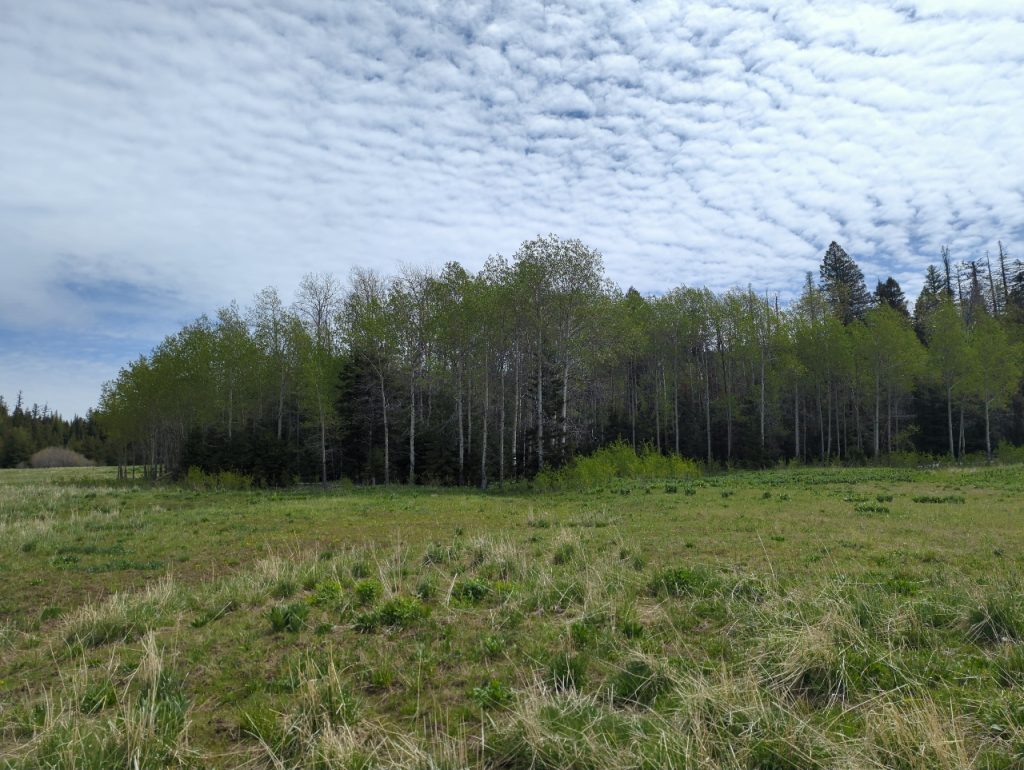
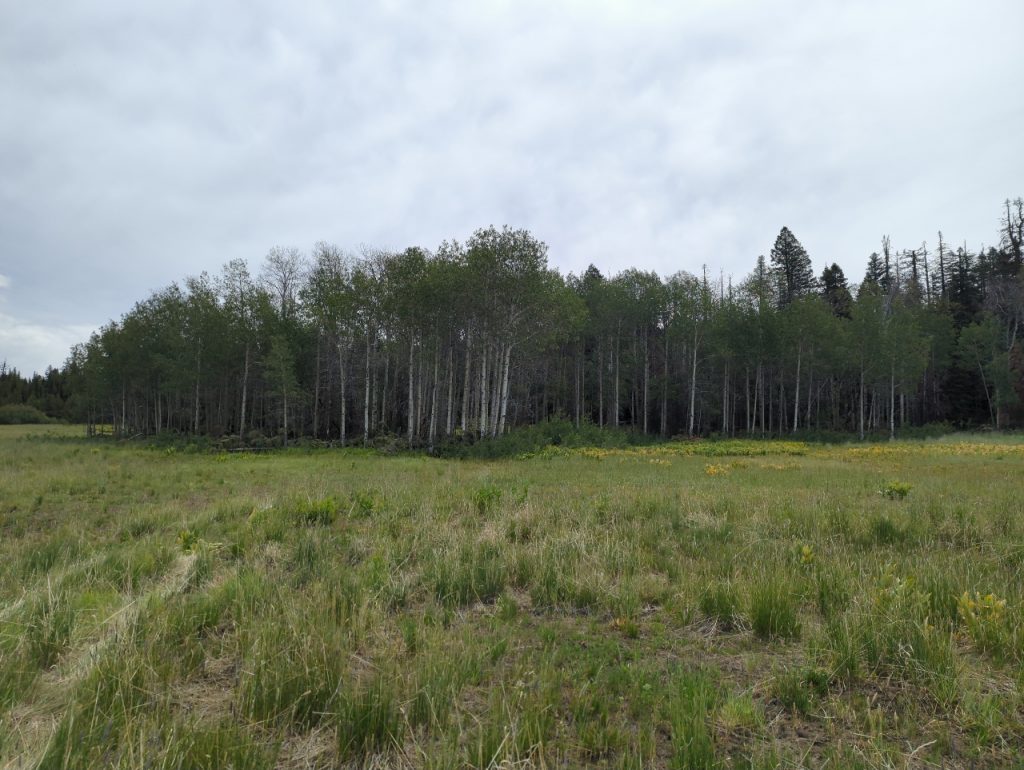
A healthy aspen stand doesn't just grow trees — it creates an entire neighborhood for wildlife.
Elk browse tender shoots while wild turkeys forage through the open understory. Grouse find cover, songbirds nest in aging trunks, and woodpeckers create cavities that countless other species later rely on.
Beneath the forest floor, an interconnected root system sends up new stems year after year, creating what appears to be an entire woodland. Although individual trees may appear separate, an aspen grove is often a single living organism connected by a vast network of roots. As long as sunlight reaches the forest floor, that system can continue producing young shoots that provide food and cover across the landscape.
But not all threats to aspen forests arrive with wildfire, insects or disease. Sometimes, the biggest threat grows slowly.
Over time, competing conifers can gradually expand into aspen stands, shading the forest floor and limiting the sunlight aspens need to regenerate. Without active management, one of the West’s most productive wildlife habitats can slowly decline as older trees die and fewer young aspens emerge to replace them.
That is why projects like Indian Prairie are critical. By reducing conifer encroachment and restoring the conditions aspens need to thrive, conservation partners are helping maintain habitat that supports wildlife, improves landscape health and strengthens the resilience of western forests.
The benefits of healthy aspen forests extend far beyond the trees themselves.
Aspen habitat provides nutritious forage and valuable hiding cover for elk and mule deer while supporting a diverse community of wildlife. Wild turkeys, grouse, songbirds, woodpeckers and countless small mammals all rely on these forests throughout the year. Healthy aspen stands also enhance wildlife viewing opportunities, preserve the brilliant fall colors that draw visitors each autumn and improve hunting opportunities on public lands.
While 43 acres may seem modest on a map, every restored stand represents another opportunity for an entire ecosystem to continue thriving. With sunlight once again reaching the forest floor, the Indian Prairie Project has given one of Oregon’s most valuable wildlife habitats the chance to renew itself from the roots up.