New Signs of Hope for Wild Turkeys at Chaparral WMA
For the first time in several years, wild turkey poults have been observed at Chaparral Wildlife Management Area in South Texas, an encouraging development as the National Wild Turkey Federation and Texas Parks and Wildlife Department work to improve habitat for wild turkeys and northern bobwhite quail.
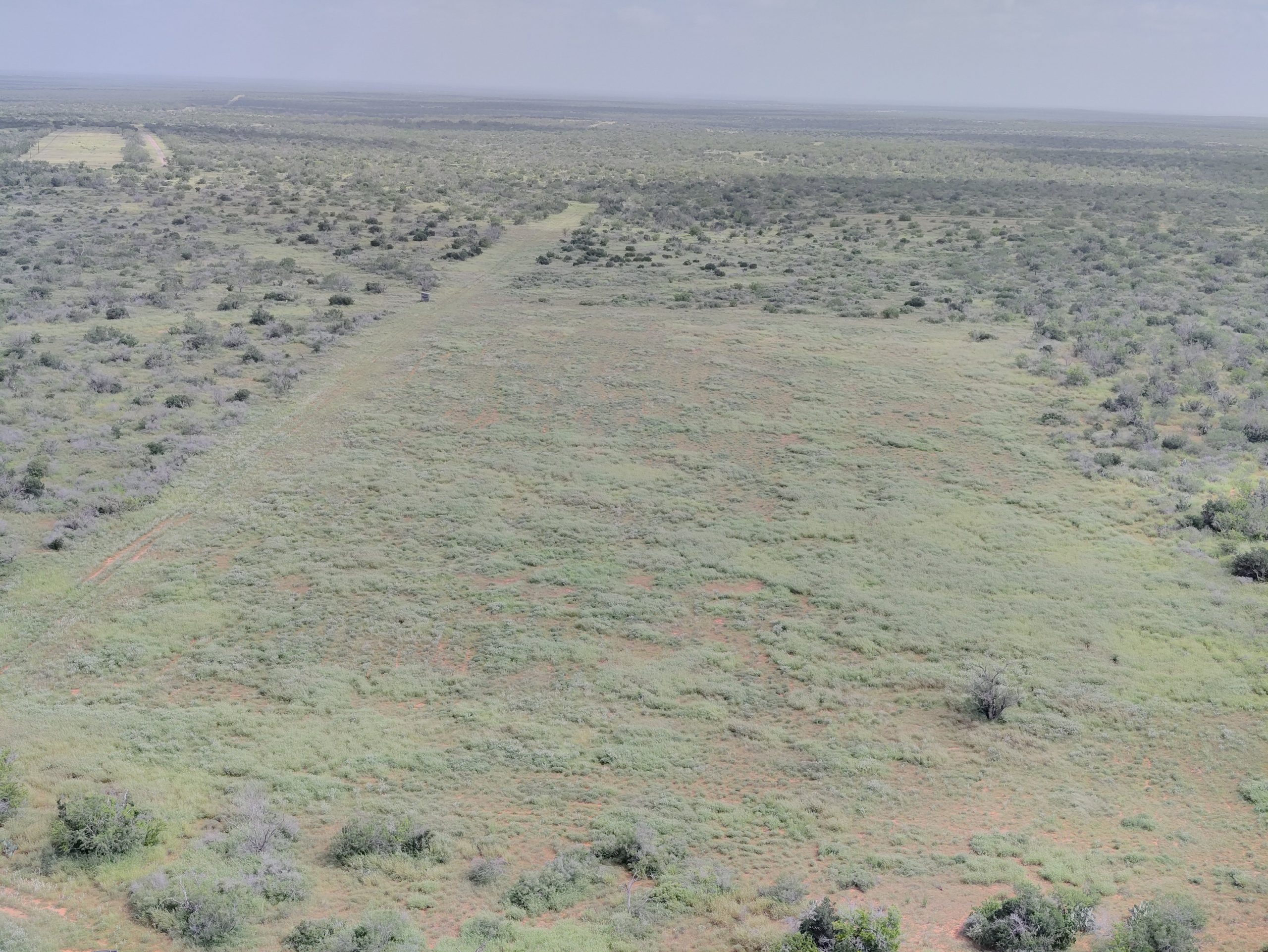
The sightings come alongside the completion of the upland bird habitat improvement project, a 30-acre effort combining mechanical brush removal, supplemental feeding and wildlife monitoring to improve habitat conditions and support ongoing management of the area's turkey population.
In South Texas, where dense brush can limit access to suitable nesting and brood-rearing habitat, maintaining a healthy balance of open areas and protective vegetation is essential for upland birds.
The project targeted areas previously treated with aerial herbicide, using mechanical mulching to clear 24 acres of woody vegetation and create more favorable conditions for native grasses and other plants that provide food and cover for turkeys and quail.
Crews also cleared vegetation around potential roost trees and ponds, creating openings that allow wild turkeys better access to larger trees for roosting and nearby habitat.
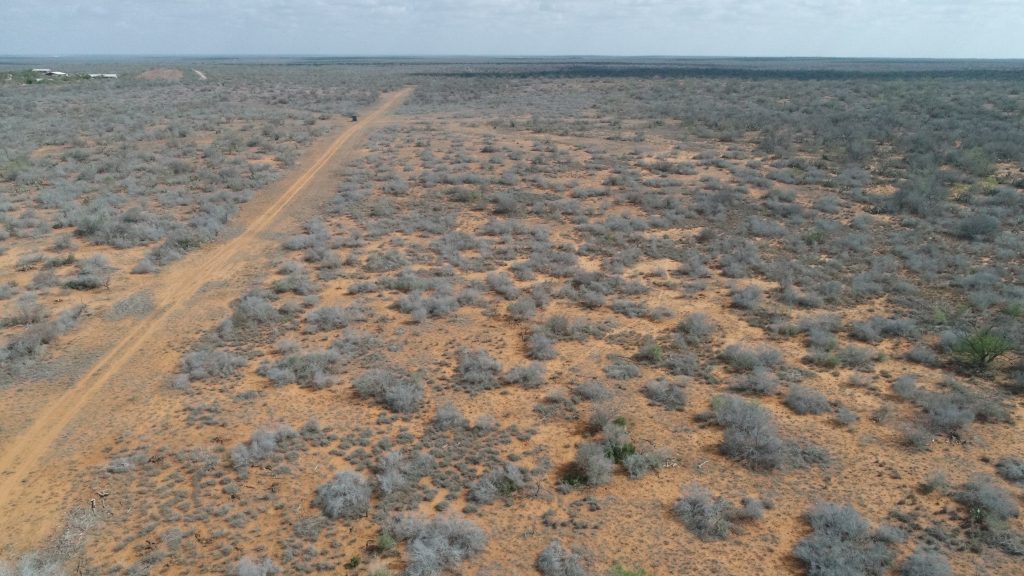
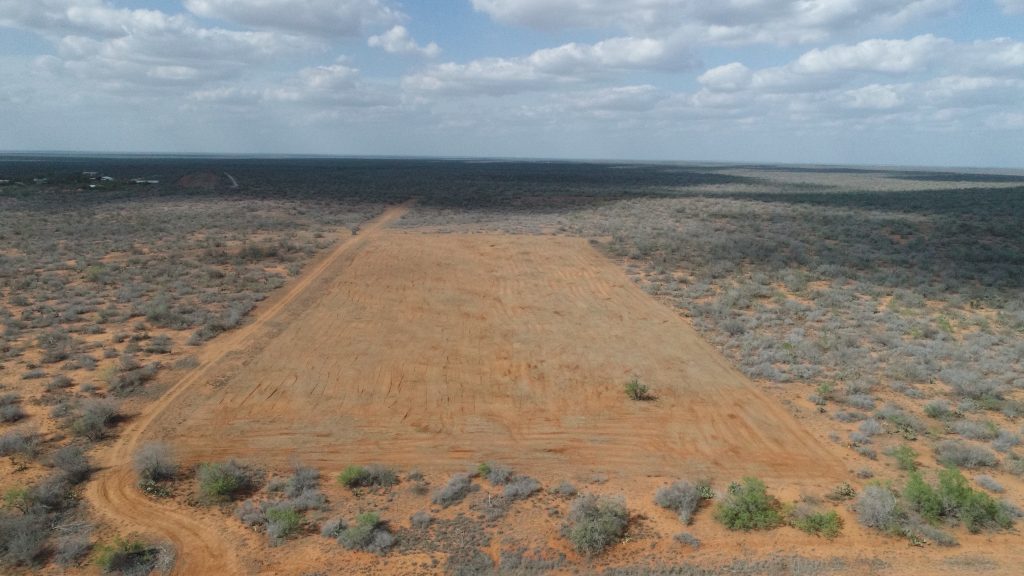
"Seeing turkey poults on the landscape after several years without documented sightings is certainly encouraging," said Annie Farrell, NWTF district biologist for Texas, Kansas, Nebraska and Oklahoma. "Projects like this demonstrate why habitat management and continued monitoring are so important. By improving nesting and brood-rearing conditions, we're giving wild turkeys and other upland birds a better opportunity to thrive while learning more about how they use the landscape."
For wild turkeys and northern bobwhite quail, successful reproduction depends on more than simply having vegetation for cover. Hens need suitable nesting areas, while young birds require a mix of protective cover and open ground where they can move freely and forage for insects. Dense, unmanaged brush can limit these opportunities. By selectively opening portions of the landscape, wildlife managers can encourage the development of more diverse vegetation and create habitat better suited to the needs of upland birds.
The project also established a supplemental feeding program using four turkey feeders equipped with platforms. Wildlife monitoring has documented turkey activity at two of the four feeders, providing managers with information about how birds are using the area.
Additional game camera equipment, including solar panels and battery packs, will help TPWD monitor feeder activity and habitat improvements over time.
Together, these efforts provide both immediate habitat improvements and valuable information to guide future management decisions.
TPWD plans to use photo monitoring to track vegetation changes and evaluate habitat conditions. Once firebreaks are constructed, managers also intend to introduce prescribed fire to help maintain treated areas and encourage the vegetation structure needed for turkey nesting and brood rearing.
And while the long-term results will take continued monitoring and management to fully understand, the recent appearance of turkey poults offers a welcome reminder of what these efforts are ultimately working toward.