Insights from a Master: The Denny Gulvas Method
No one knows turkeys or their language like this legendary Pennsylvania caller and videographer. His lifetime of insights can help make you a better hunter.
Some hunters might scoff at advice from a guy who hasn’t shot a turkey in 44 years. But when that guy is Denny Gulvas, they should listen.
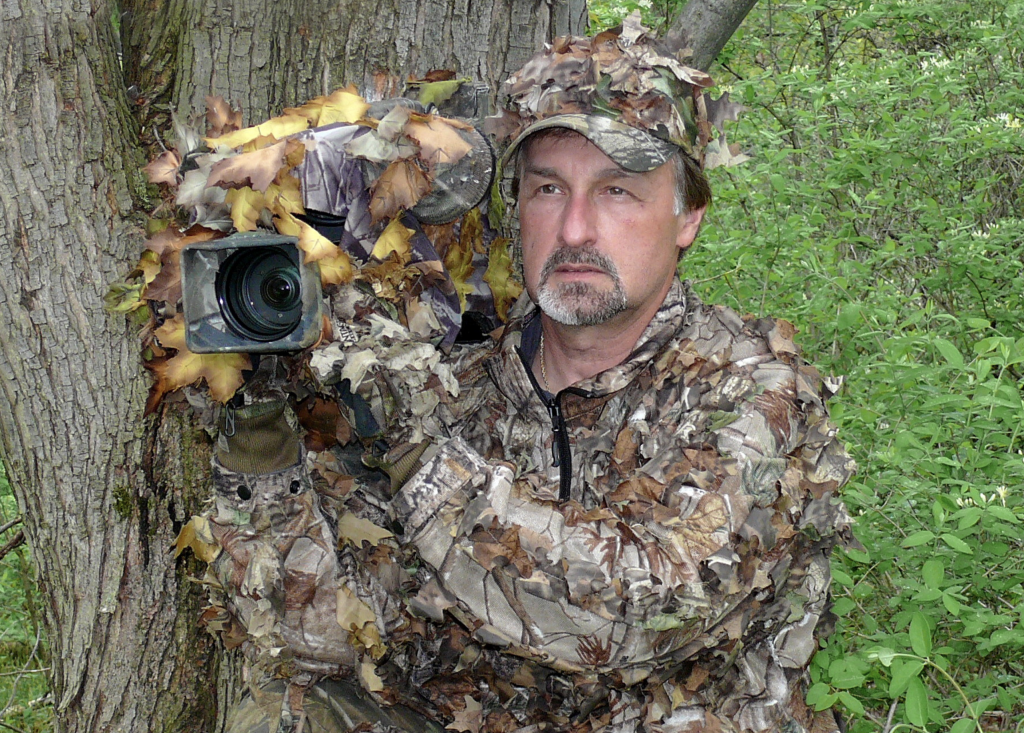
A turkey video pioneer and calling legend from Dubois, Pennsylvania, Gulvas has spent more time with wild turkeys than most folks can fathom. He’s recorded and studied their behavior and vocabulary for 47 years — a passion that continues to this day, as he still films birds almost daily from winter through midsummer. Along the way, he’s identified countless turkey nuances that can help everyday hunters find success.
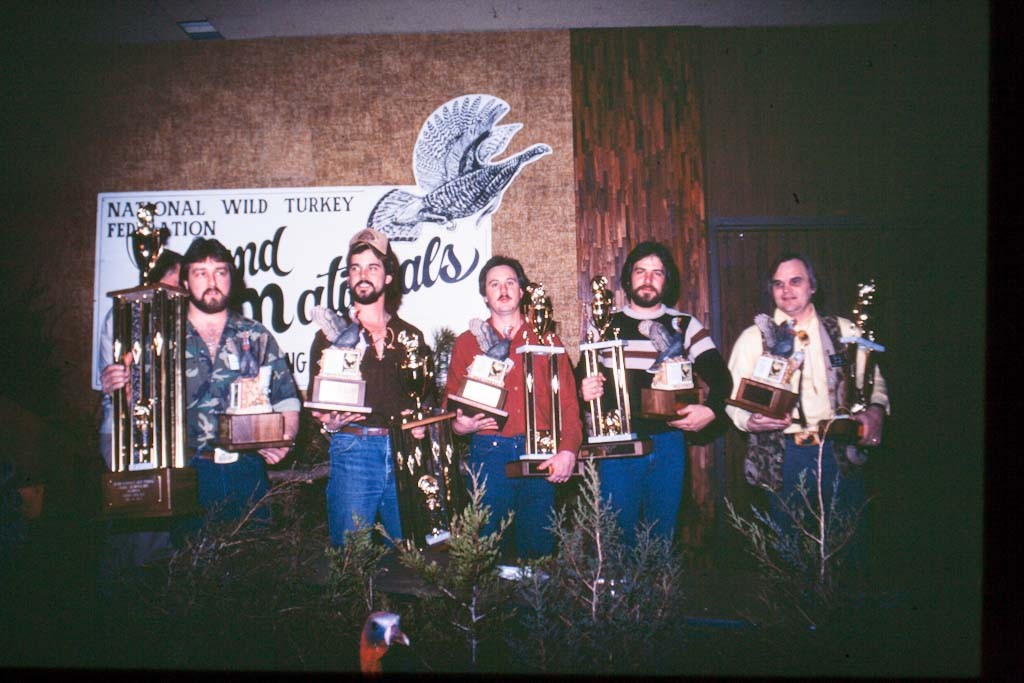
“When your focus is pulling the trigger, there’s a whole lot you don’t see,” said Gulvas, the 1983 NWTF Grand Nationals Senior champion and a 2020 inductee into the GNCC Hall of Fame. “And when you’re hunting, your focus is on pulling the trigger. But for me, it’s catch and release. I’ve been doing this almost 50 years, and I’m more into it now than I ever was. I want to do what turkeys do. Teach me all you can.”
It would be impossible to summarize Gulvas’ insights in one article, or even a book. But here are some highlights to help you next season.
Calling
Gulvas’ knowledge of turkey vocalizations goes beyond encyclopedic. A champion himself, he’s also mentored many great callers, including nine-time GNCC Senior champ Matt Van Cise. Gulvas said many callers don’t truly match the sound of wild hens or accurately mimic their inflections — the way they actually talk to other turkeys. And much of that starts with a hen’s real voice.
“A lot of people listen to turkeys, but they don’t hear when they listen,” he said. “A hen has a characteristic to her voice — an in-throat type quality that’s very difficult to master. When you raise turkeys, you have the opportunity to be close to them, and a turkey sounds different at 20 to 30 yards than at 4 to 7 feet. You can hear that in-throat quality they have. When they’re right next to you, you can actually feel that sound coming from within.”
When teaching that, Gulvas will ask people to yelp with their voice until they’re using the back of their throat.
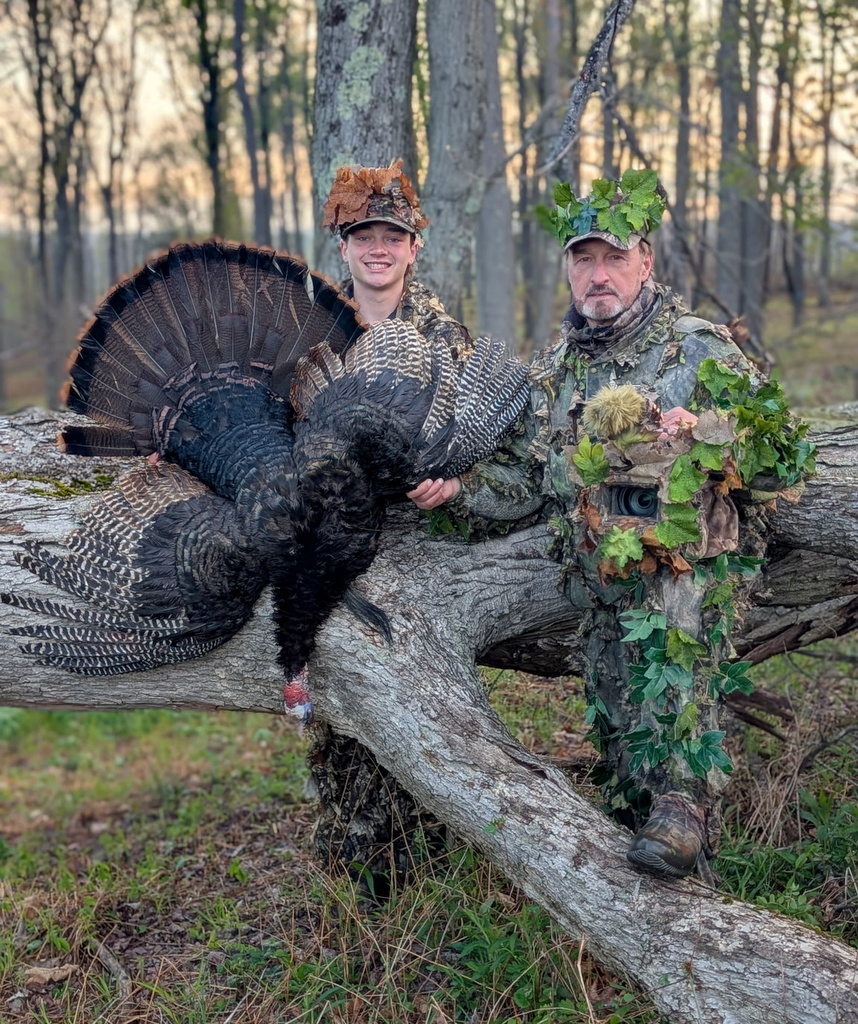
“When you learn to put that emphasis on the back of your throat with a diaphragm call, that in-throat quality is the big thing,” he said. “Turkeys recognize it, and that characteristic is huge. I do this every day.”
Gulvas also said that many callers “explode into the call” when yelping, but that real hens roll into a yelp, much like the roll of the beginning notes on a good box call.
“Every hen has that kee [whistle] base, and they never lose that kee base from the time they’re poults until the time they die,” he said. “Even a throaty hen, she’s rolling into it. It’s so important. Tried to tell people about rolling in, but most don’t listen.”
Further, Gulvas said many callers fail to mirror the way turkeys truly communicate with each other using voice inflection and pitch changes. For example, he mentioned the “looking single- and double-note” yelp of a hen that’s asking where another turkey is — something far different than the standard “yelp-yelp-yelp” plain yelp many folks use.
“You can actually feel that in her yelping,” he said. “A gobbler knows what a hen should be saying at all times. Learn the feeding and contentment calls. Light yelps. Single yelps. Learn all that under-the-breath stuff they do all day long. That’s what a hen does. I want to learn their language the way they do it.”
Patience and Setups
Filming turkeys for almost 50 years has also taught Gulvas the virtues of patience — a skill that might not be popular with hunters more inclined to run and gun.
“Common sense tells me that if you’re in an area with turkeys and you set up a scenario and give out calls, every bird around can hear that, and they’re all interested to a degree,” he said. “Just because he didn’t gobble doesn’t mean anything to me. I know they heard me.”
Gulvas will typically identify a good area, walk to a spot where he’d like turkeys to come, and then set up a calling scenario, using hen yelps, searching yelps and maybe even a gobble to sound like several birds talking. Then, he’ll set up and stay absolutely still.
“You cannot believe the results of that right there, but you have to sit still,” he said. “Turkeys can hear for miles, and all the turkeys in that area have heard you. You are in turkeys, and you set something up. It’s going to happen. Within 15 to 25 minutes, you might see a gobbler or hen come in or hear a gobbler gobble. Guys say, ‘I don’t like to deer hunt turkeys.’ You don’t want to sit down and wait a little bit for a turkey? One of the best ways to get them is to do what I do right there. Turn off the fast-paced world. You’re in nature. You want to become part of that tree you’re sitting beside. Just let things happen.”
Identifying an ideal setup is an important part of that equation, Gulvas said.
“You can’t teach someone how to set up for turkeys,” he said. “It’s huge. Before I call, I’m looking for trees in case a gobbler answers. I look left and right, and in front. That way I’m ready. If you practice before it happens, that little thing right there is critical.”
Likewise, Gulvas said, some hunters fail to realize how their movements and actions in the woods can affect turkeys.
“I can’t explain to them how aware turkeys are of your presence,” he said. “Their eyesight is so doggone good it’s crazy. Guys are out walking and talking, and you wonder why you don’t hear gobblers anymore. We’re their No. 1 predator.”
That even applies while you’re set up and waiting. For example, Gulvas said hunters should limit movement by using their eyes rather than twisting their head.
“That turkey’s eye is ¾-inch from the top of his head,” he said. “He can stick that up over a rise 60 to 70 yards away, and if your head is going left and right, he’ll see that and disappear. Move your eyes. Move them as far as you can to the right. Then really slowly move your head a little to the right. Then a little more, really, really slowly. A gobbler isn’t going to pick that up.”
Never Stop Learning
Keeping an open, observant mind might be one of the most important aspects of learning about turkeys. Gulvas said that every day afield represents a chance to glean more knowledge, and that even after almost 50 years, he knows he has much more to learn about turkeys and their behavior.
“The more time I spend with them, the more I find out I don’t know a whole lot,” he said. “My mentor said never become satisfied. Never. Especially with calling. If you become satisfied with your calling … and you think you sound exactly like a turkey all the time, you’re going to start playing golf. That’s what keeps me going.”