Illinois NWTF Launches Statewide Seedling Program to Benefit Wildlife Habitat
A new statewide habitat effort from the National Wild Turkey Federation and the Illinois Department of Natural Resources helped put thousands of wildlife-friendly trees and shrubs into the hands of Illinois landowners this spring, while improving habitat for wild turkeys across the state.
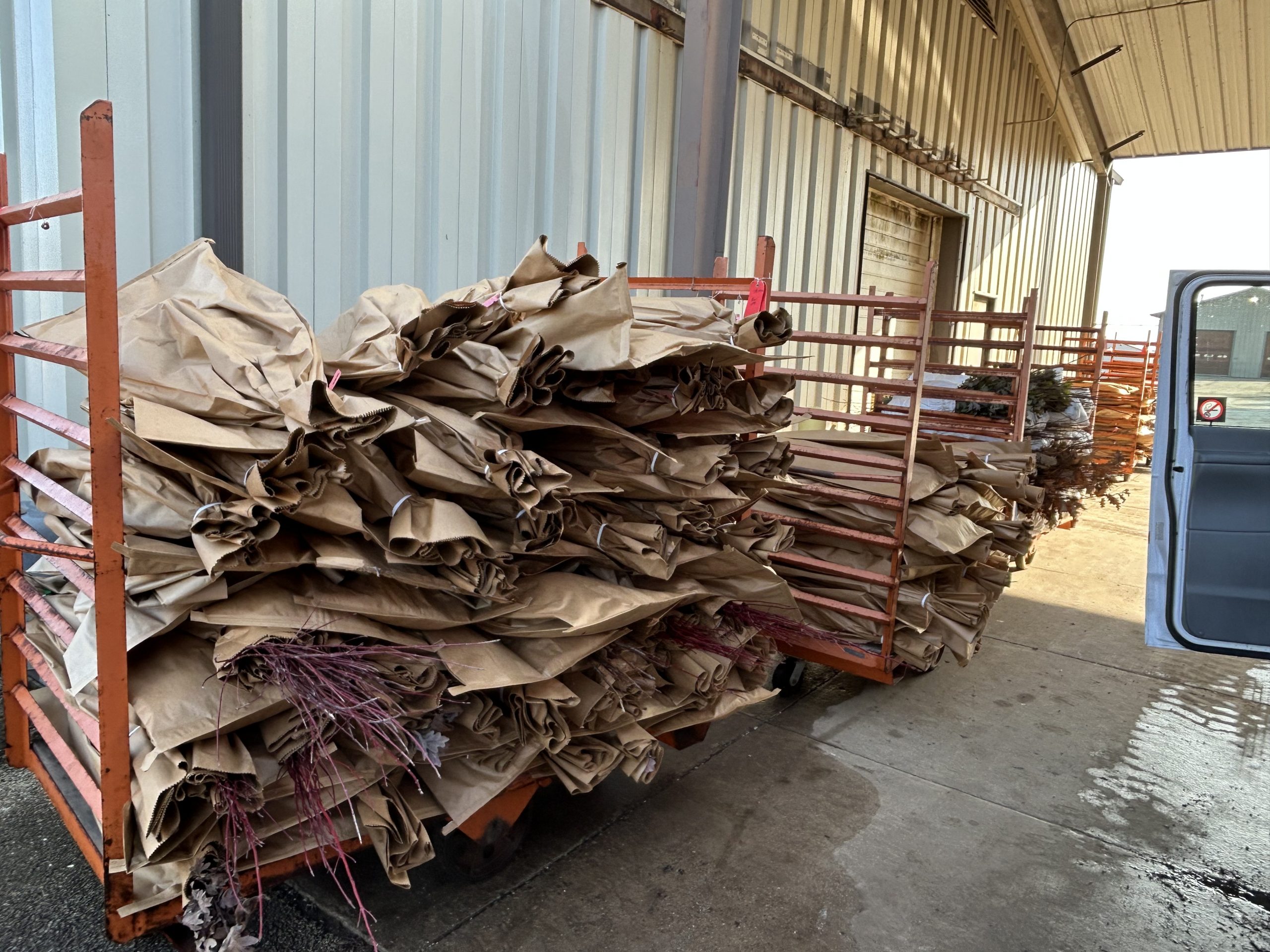
The Illinois NWTF State Chapter partnered with the Illinois DNR Mason State Tree Nursery to launch a pilot tree and shrub seedling program that distributed more than 25,000 seedlings to NWTF members in March 2026. Pickup locations were established across Illinois, giving private landowners access to native species designed to improve wildlife habitat on their property.
The program included a variety of mast-producing tree and shrub species, including swamp white oak, white oak, red oak, bur oak, pecan, hazelnut, Chickasaw plum, persimmon and multiple dogwood species. Organizers said the species were selected specifically for their long-term habitat value for wild turkeys and other wildlife.
While many of the plantings were relatively small in scale, the statewide effort allowed private landowners to directly contribute to habitat improvement on their own property. Many of the selected species provide important food sources, along with future brood-rearing cover and roosting habitat for turkeys.
This program serves as a member benefit by providing native tree and shrub species to Illinois NWTF members. It also puts the state’s Super Fund dollars to work equitably on private lands in a state that is more than 90% privately owned, contributing to the goals and objectives outlined in the Roots to Roost Initiative.
“I knew that the program would be popular, but I had no idea how popular,” said John Burk, NWTF district biologist. “We finalized the online ordering platform, made it live, did one Facebook post announcing it and had to turn the platform off 6 hours later because we had already exhausted our supply. This was a ‘live and learn’ experience during this inaugural year.”
The Illinois NWTF State Chapter plans to double the impact in 2027 by offering the program as a 50% subsidy and lower the per member cap. This year, the cap was 2,000 seedlings per member, and they were free.
“The standard planting recommendation for a reforestation project is between 400 and 500 trees per acre,” Burk said. “You can go through a lot of seedlings with just a few folks doing reforestation projects. Many folks will just get a bundle or two and plant ‘food plot’ trees by scattering them around food plot edges or along riparian bottoms dominated by species like maple and elm. I think that we will achieve a little better balance between supply and demand with these adjustments next year, and I look forward to offering it.”
Similar seedling programs have also gained momentum in neighboring states like Missouri, where conservation organizations and agencies are working with private landowners to improve wildlife habitat through similar planting efforts.
The pilot effort was coordinated through the Illinois NWTF State Chapter and the Illinois DNR Mason State Tree Nursery, with staff assisting in transporting seedlings to distribution locations around the state. Participating landowners completed planting efforts on their own properties throughout March and April.
For many landowners, the project was about more than just planting trees. It was a chance to invest in the future of their property and create habitat that wildlife can benefit from for decades to come. With strong participation in the program’s first year, organizers hope the effort continues growing and inspires even more conservation work on private lands across Illinois.