Help Shape the Future of Wild Turkey Conservation by Reporting Summer Turkey Sightings
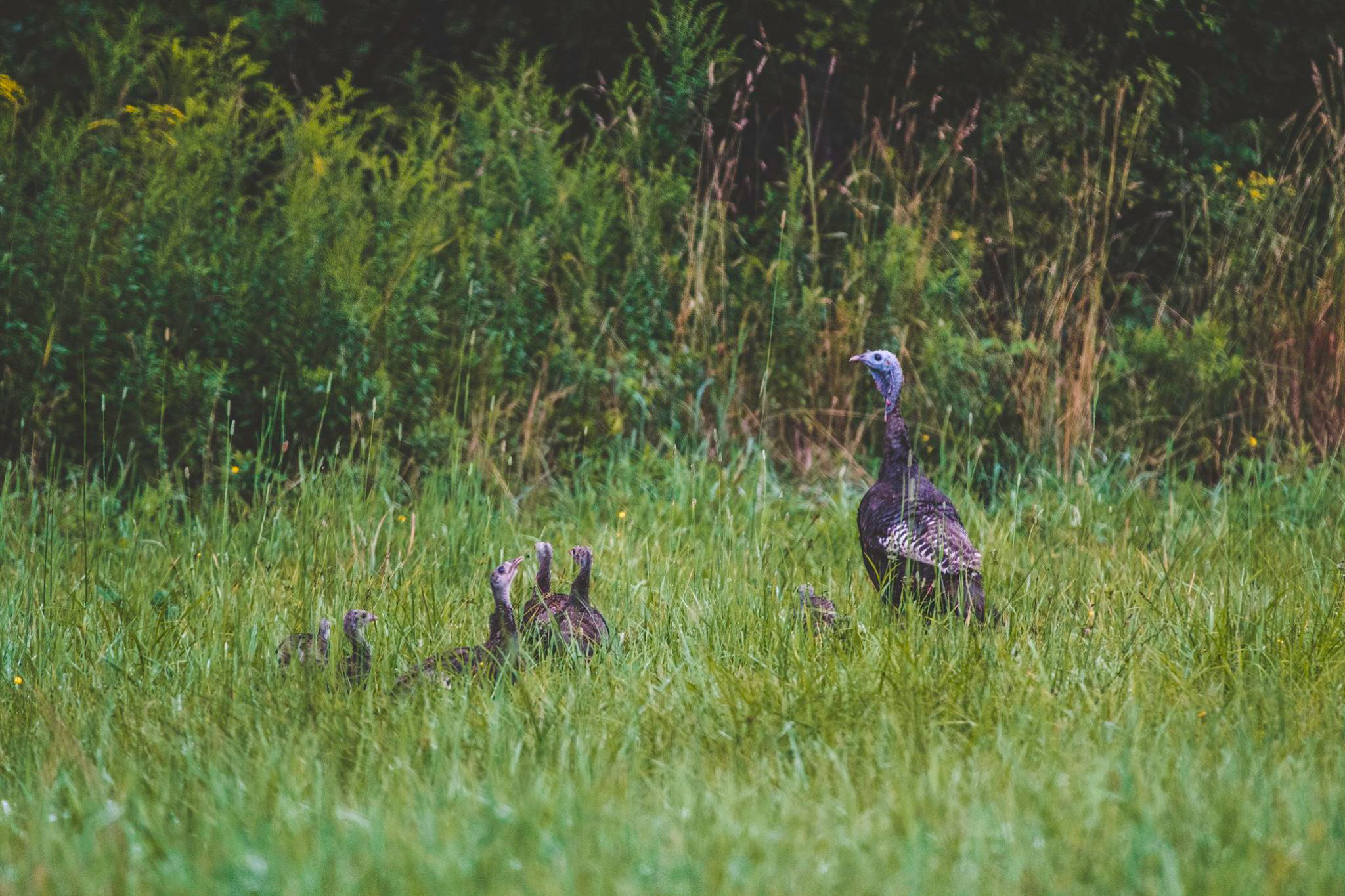
If you've spotted a hen leading a line of tiny poults across a field this summer, or even a lone hen foraging along a roadside, you may have seen one of the season's most valuable wild turkey conservation observations. Whether a hen is accompanied by poults or on her own, that single sighting can provide wildlife biologists with important information about wild turkey populations.
Each summer, wildlife agencies across the country ask hunters, landowners and outdoor enthusiasts to report wild turkey sightings through public brood surveys. These simple observations provide a snapshot of nesting success and poult survival across thousands of acres — information that would be nearly impossible for biologists to collect alone.
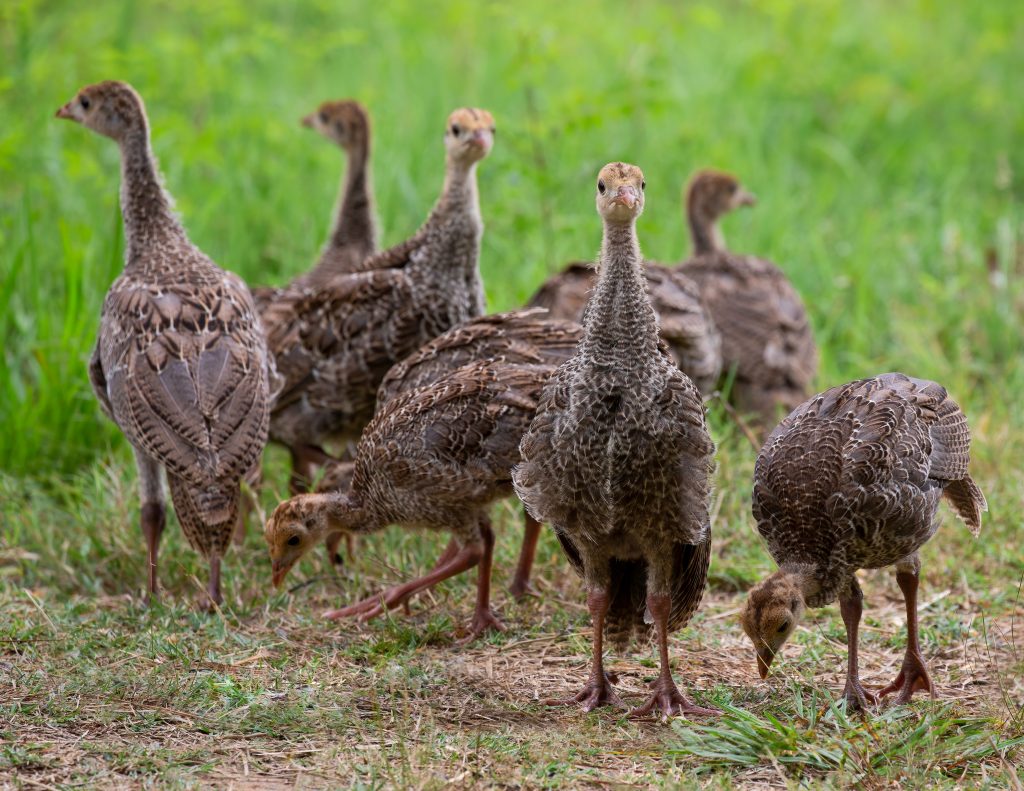
Summer brood surveys help answer important questions: How many hens successfully hatched poults? How many poults survived their first few weeks? Were broods larger or smaller than average? Combined over time, these observations help agencies track long-term population trends and evaluate how weather, habitat conditions and other factors influence annual turkey production.
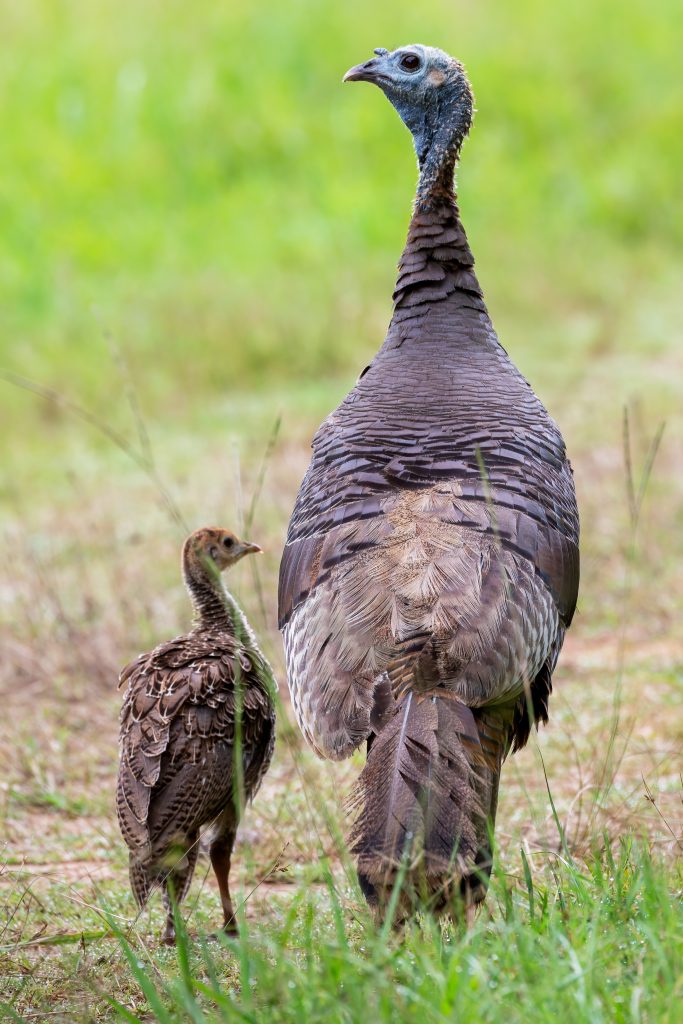
"Reproduction drives the future of a wild turkey population," said Patrick Wightman, NWTF's director of wild turkey research. "Summer brood surveys provide a window into annual nesting success and poult survival. Over time, these observations create a valuable historical record that allows wildlife biologists to track population trends. They're also useful beyond state wildlife agencies as hunters, landowners and land managers can use brood observations and poult-per-hen ratios to monitor reproduction on the properties they hunt and manage. The more observations we all collect, the stronger those datasets become and the more informed our conservation and management decisions can be."
Observations are especially valuable during the summer because hens and poults are more visible as they forage together in fields, along roadsides and forest openings. Even if you only see one brood during the season, your report can contribute to a much larger dataset that helps wildlife managers understand reproductive success across an entire state.
As more states recognize the value of community-driven data, these citizen science efforts continue to expand across the country. States such as Idaho and Washington have recently launched public brood reporting opportunities, giving residents new ways to contribute valuable observations to wildlife management efforts. New Mexico became the latest state to join the effort this year, further expanding the network of information available to biologists working to better understand wild turkey reproduction and population trends.
Many state agencies have made participating easier than ever through online reporting portals and mobile-friendly surveys. Most ask participants to record the date, location and number of hens, poults and gobblers observed.
The following states currently offer public opportunities to participate in summer wild turkey brood surveys or similar citizen science reporting programs:
State, Survey Window (Survey windows reflect current agency guidance and may vary slightly by state.)
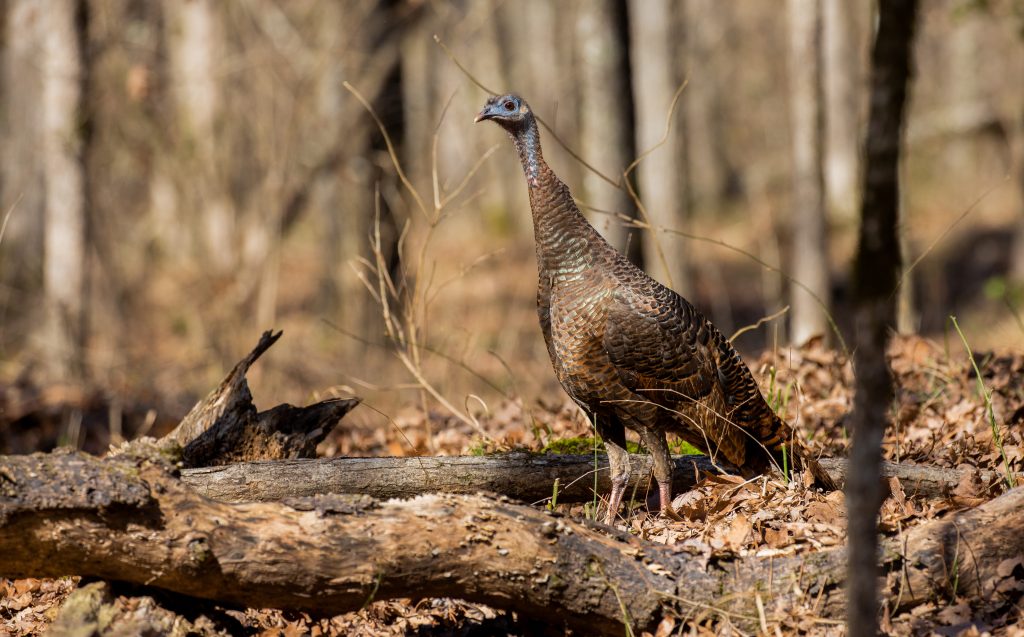
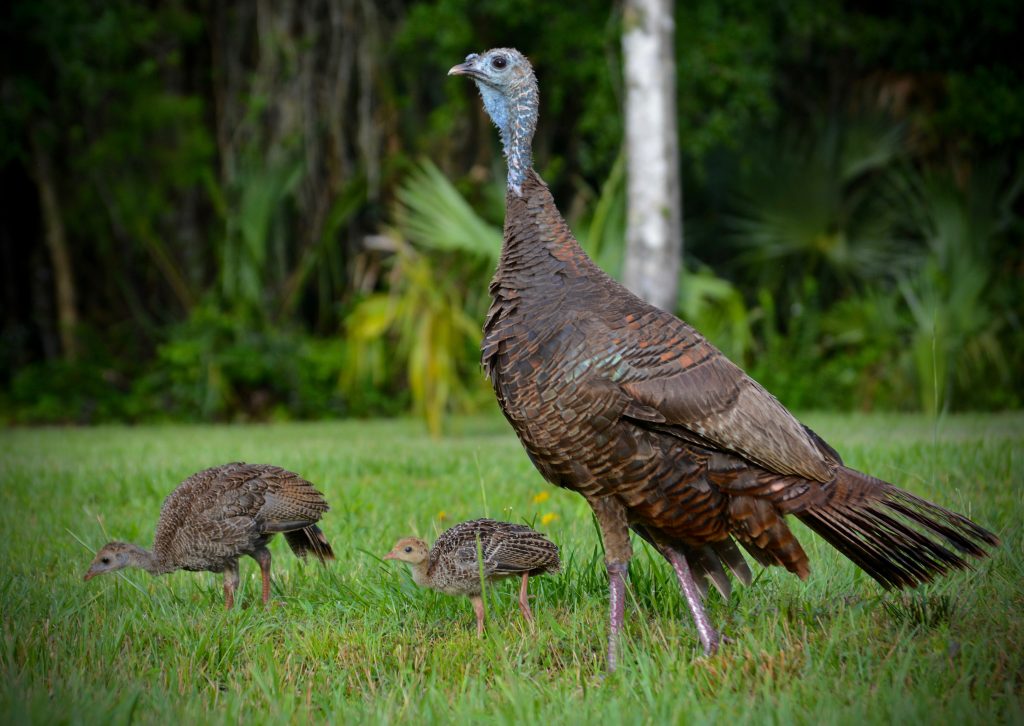
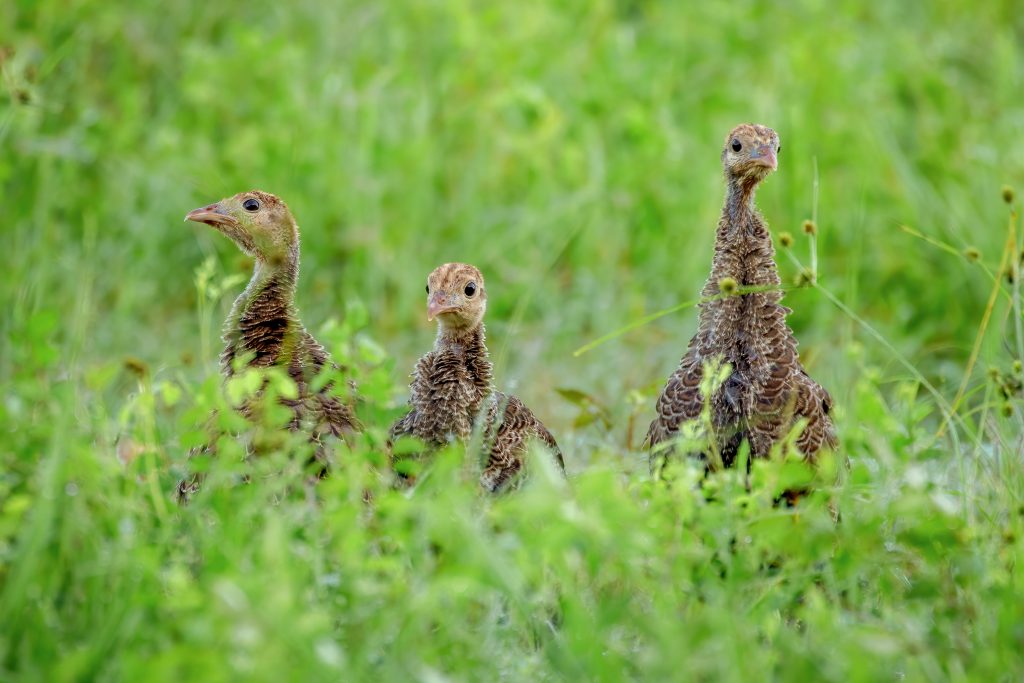
Whether you're checking trail cameras, scouting for fall hunting season or simply enjoying time outdoors, keep an eye out for wild turkey broods. Your observations could help wildlife professionals better understand this year's hatch and inform conservation decisions for years to come.