GPS Technology and Collaboration Are Shaping the Future of Wild Turkey Research
As GPS technology continues to evolve, so does the opportunity to learn more than ever before. That's why the National Wild Turkey Federation recently hosted its first Wild Turkey GPS Telemetry Round Table, bringing together more than 60 researchers, state wildlife agency biologists, university scientists and conservation partners from across the United States, Canada and Germany.
The virtual meeting centered on a simple idea: when researchers share lessons learned and information, everyone benefits.
“No single research project can answer every question we have about wild turkeys,” said Patrick Wightman, NWTF national director of wild turkey research and science. “There is tremendous value in bringing researchers together to share lessons learned from using this technology, discuss common challenges and build on one another’s experiences. That collaboration can improve how future studies are designed and conducted, while greater consistency in data collection can also make findings more useful across projects and regions.”
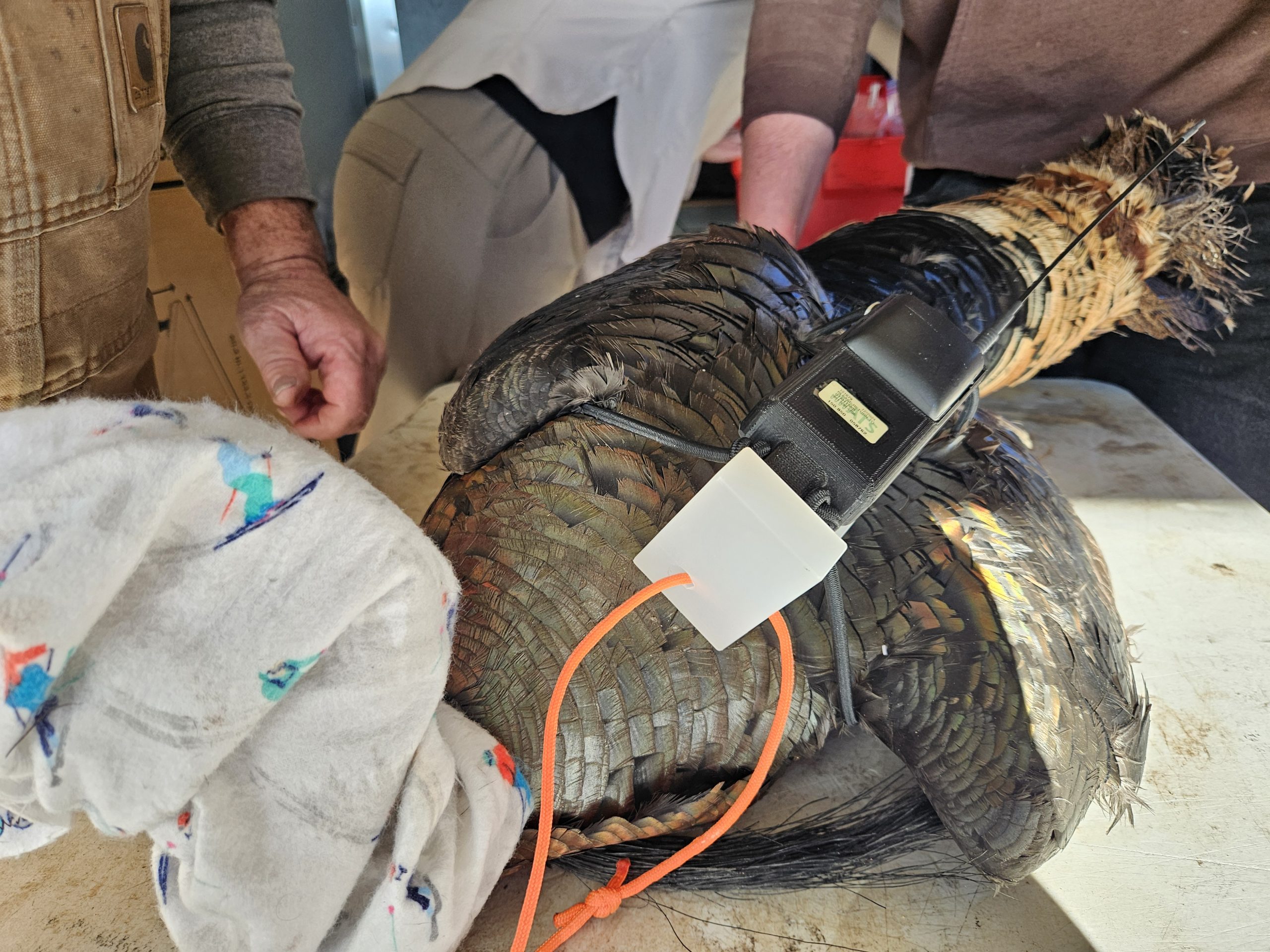
Modern GPS transmitters have transformed wildlife research. Unlike traditional VHF transmitters that require researchers to physically locate birds for every data point, newer GPS units can collect thousands of highly accurate locations while also recording movement, activity levels and even body orientation. Some solar-powered units can transmit information through cellular networks, allowing researchers to monitor birds across vast landscapes while reducing the need for frequent field visits. The result is an unprecedented look into a turkey's daily life.
These insights help wildlife agencies make better management decisions, from habitat restoration priorities to harvest strategies, while giving conservation organizations like the NWTF the science needed to direct investments where they'll have the greatest impact.
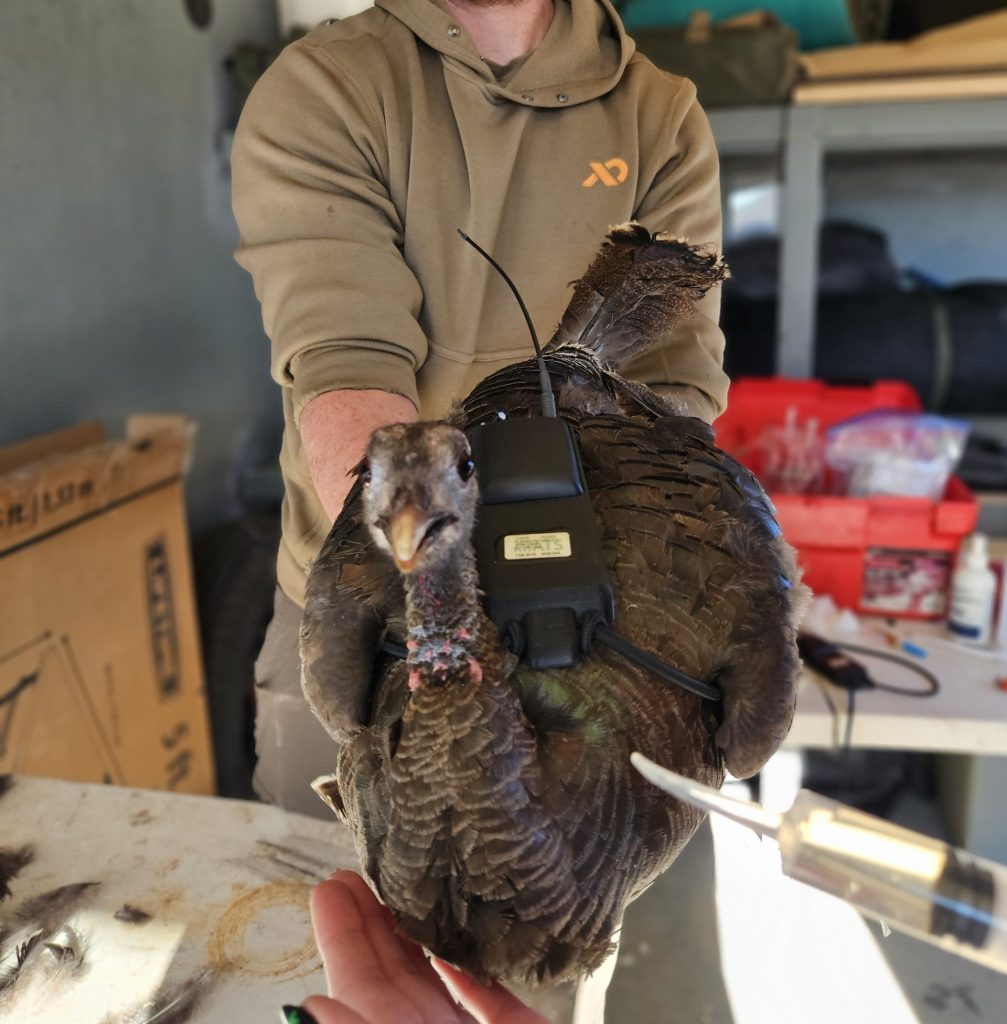
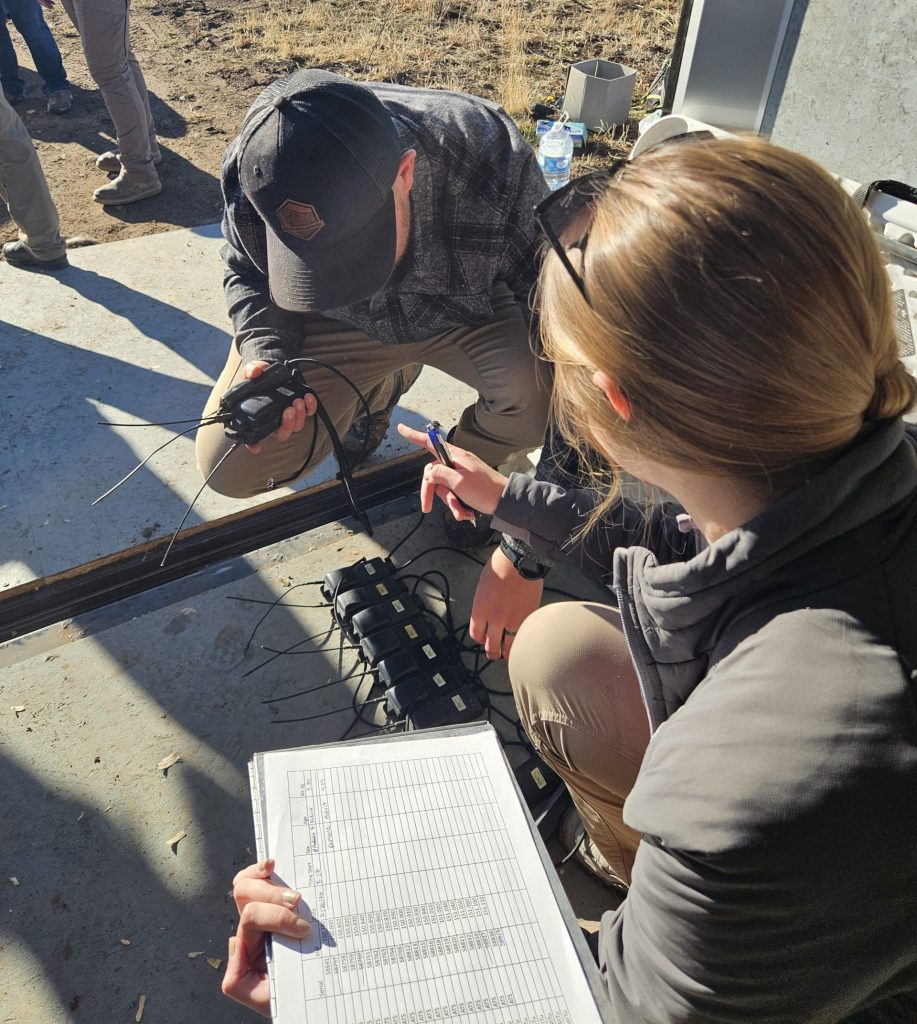
While GPS technology has become increasingly powerful, it effectively comes with its own learning curve. Throughout the round table, presenters shared practical lessons from years of experience deploying thousands of GPS units in the field. Discussions covered everything from programming transmitters and maximizing battery life to improving data collection, handling large datasets and increasing tracking success in difficult terrain.
The meeting wasn't about finding a single "right" way to conduct research. Instead, it gave scientists an opportunity to compare methods, troubleshoot challenges and learn from one another before launching future studies. That collaboration benefits not only individual researchers, but ultimately every organization working to conserve wild turkeys.
The discussion also reflects the NWTF's continued commitment to advancing wild turkey science. In recent years, the NWTF has invested more than $2.3 million directly into wild turkey research through its Research Grants Program, leveraging more than $22 million in total funds through collaborative partnerships toward projects that address critical questions about wild turkey ecology, habitat management and population trends.
Several ongoing NWTF-supported research projects already rely on GPS technology to better understand wild turkey behavior across different regions of the country. Researchers are using GPS backpack transmitters to study movement patterns, habitat selection, nesting success and survival, producing information that directly informs future management decisions.
As new technologies become available, ensuring researchers can share experiences and standardize best practices will only improve the value of those investments.
For NWTF members, a meeting about GPS transmitters may seem far removed from a spring morning in the turkey woods. In reality, they're closely connected. Every habitat project, every management recommendation and every conservation decision depends on sound science. The better researchers understand how wild turkeys respond to changing landscapes, weather patterns and habitat conditions; the better equipped wildlife managers are to conserve the species.
The NWTF's role extends beyond funding research. By creating opportunities for collaboration between agencies, universities and conservation partners, the organization helps ensure that valuable knowledge doesn't remain isolated within individual projects. When researchers work together, conservation moves forward faster.
And as GPS technology continues revealing new insights into the lives of wild turkeys, those partnerships will help ensure that science translates into healthier habitats, stronger turkey populations and more opportunities for future generations to experience the outdoors.