Get Your Bow Bird
Archery hunting for turkeys is increasing in popularity, but it’s important to discuss shot placement, ethics and recovery tips to ensure an efficient, successful experience.
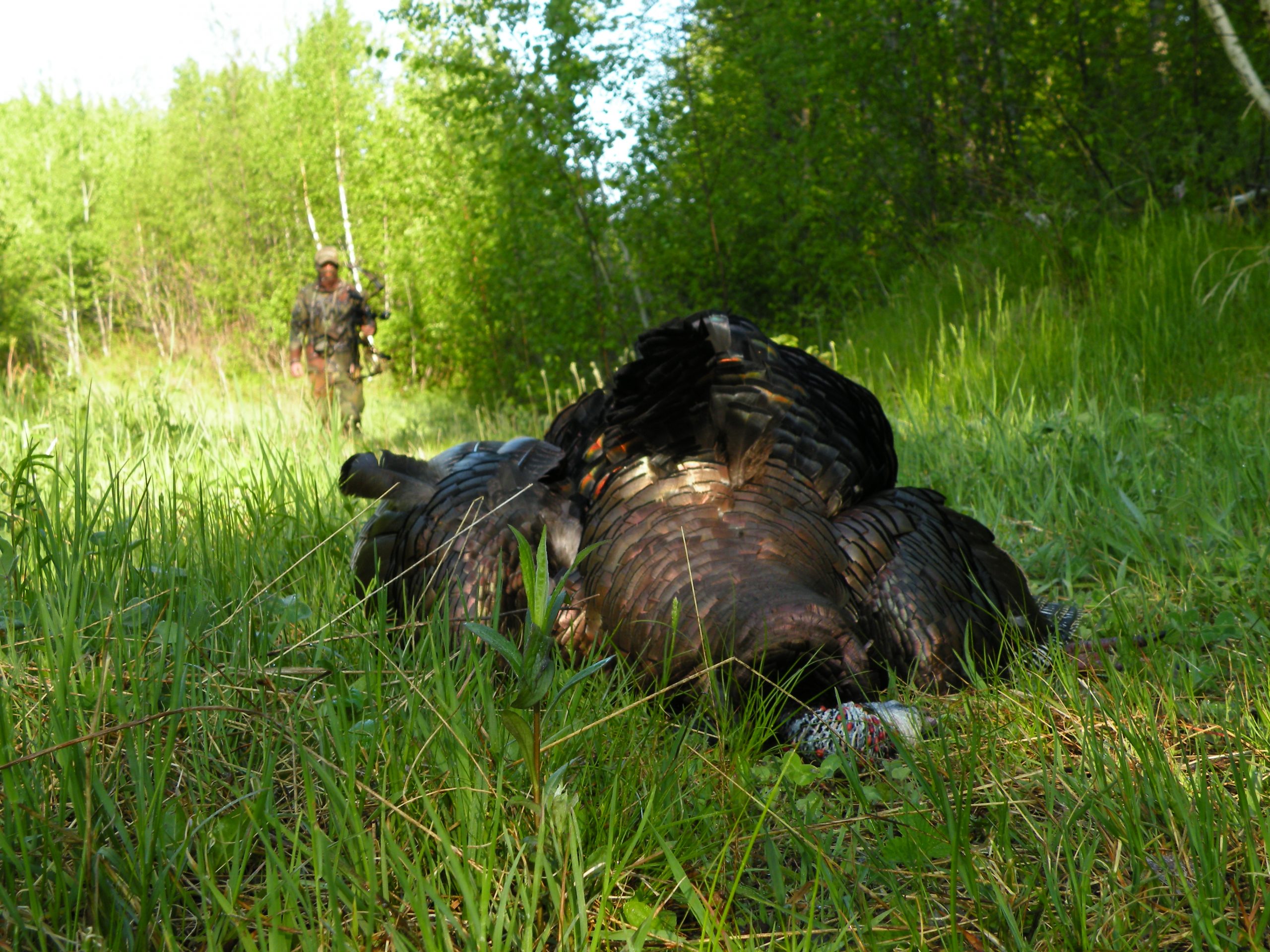
Gobbles erupted from the towering white pines across the field. The racket carried on as the first glint of daylight pierced the predawn haze. Softly, I coaxed the birds with my mouth call, and the two loudmouths landed in the alfalfa field, beelining for my decoys.
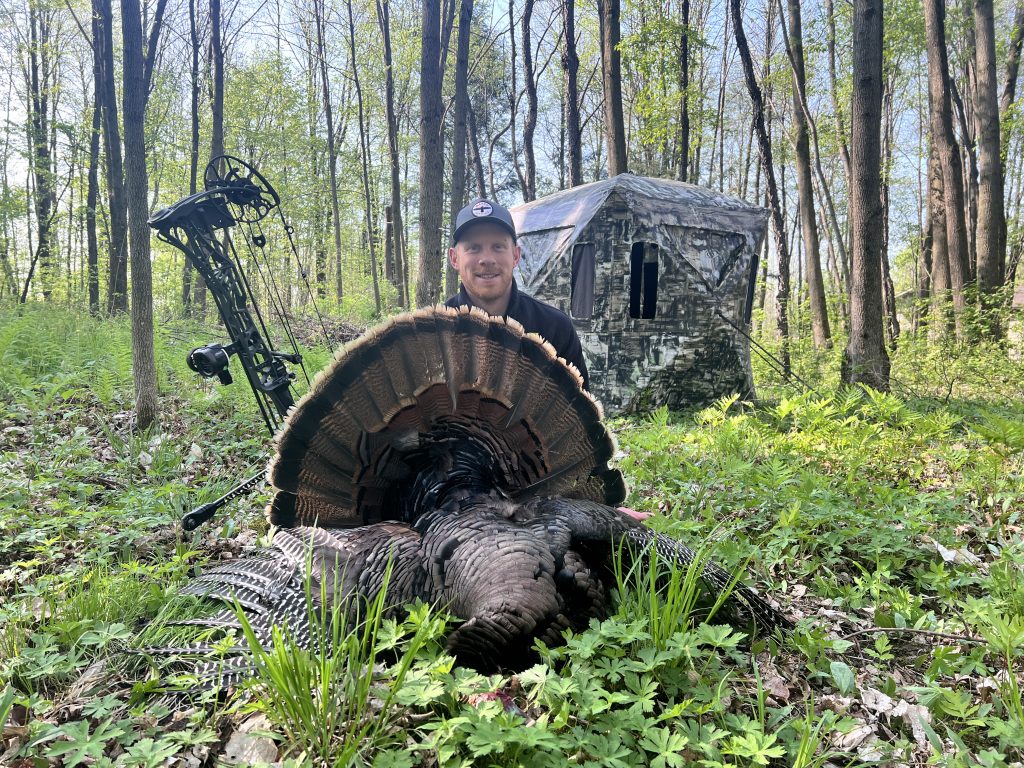
Soon, my arrow knocked the strutter off his feet. In seconds, all was still. Nothing in turkey hunting excites you like an 8-yard shot and a harvested gobbler in the decoys. Unfortunately, it doesn’t always go that way. Turkeys have small vital areas, especially when you’re using archery tackle. If you miss it, you’ll face a perplexing recovery or, worse, lose your bird.
Wounding and losing a bird should bother hunters considerably. I’ve been bowhunting turkeys for 24 years and have bagged dozens, but I’ll admit that I haven’t recovered every bird I’ve hit. Some hunters argue that bows have no place in the turkey woods, but remember, shotgun hunters don’t kill every bird they shoot at, either.
Turkey hunting with a bow lets you see and experience so much more because you have to be close. You’re not shooting the gobbler the first time he stretches his neck out 40 yards away. I harvest most of my bow birds at 10 yards or closer, and there’s nothing like it.
If you crave that up-close-and-personal encounter, bowhunting is the ticket. But you’ll want to consider these details to boost your recovery rate.
Arrow Details
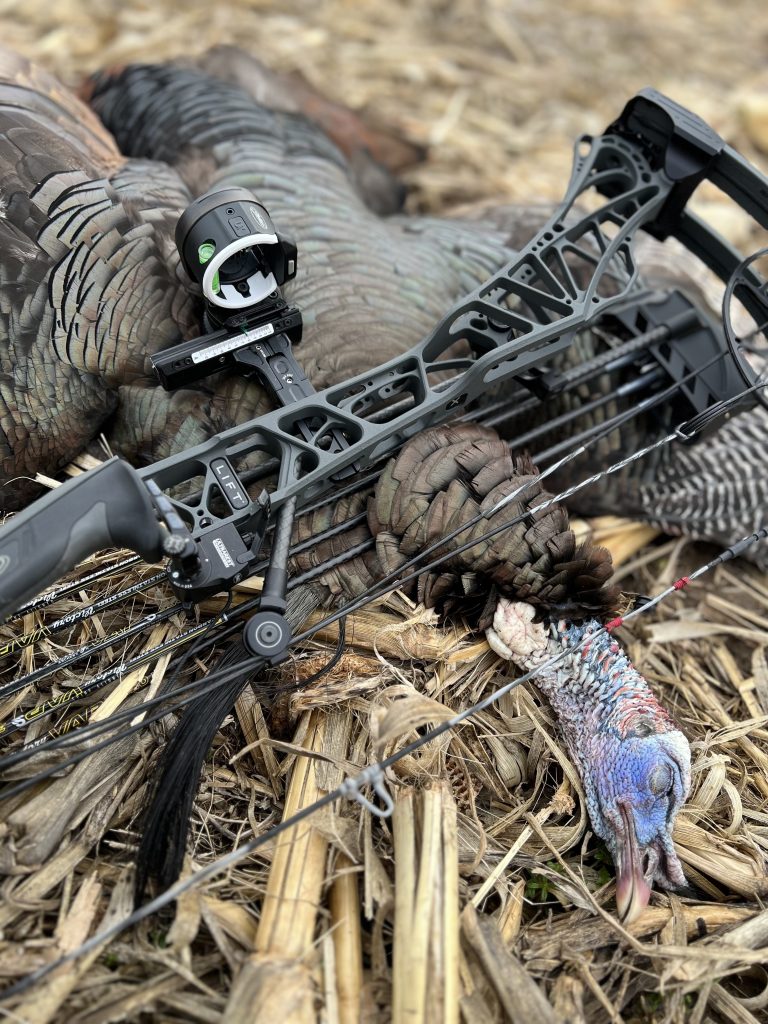
Shoot what you like, but I’m a huge proponent of using mechanical broadheads for turkeys. I’ve harvested dozens of turkeys with a bow and was present when other hunters have shot them, and I can assure you that the forgiveness of large-diameter mechanical broadheads is critical when shot placement is less than perfect.
You must pull sufficient draw weight and shoot a medium-weight arrow. If you’re pulling 40 pounds or less, I’d suggest a large cut-on-contact fixed-blade head. But I wouldn’t hesitate to point anyone shooting 45 pounds or more toward a mechanical. For lighter setups, a rear-deploying design is best (less energy required for blade deployment). Rear-deploying or jackknife-style mechanicals are great for heavier setups.
My friend Mike Slinkard, owner of HECS Hunting, has bowhunted across the planet, but he still hits the turkey woods every spring with his bow. He knows that hitting a turkey with an arrow isn’t always a done deal. Though an incredibly deadly archer, even he has lost some birds in his bowhunting career.
“Losing a bird shot with an arrow is the biggest problem in bowhunting turkeys,” he said. “It’s very common. Not only are turkeys incredibly tough, but they can fly and leave little to no blood trail.”
Keep Your Shots Close
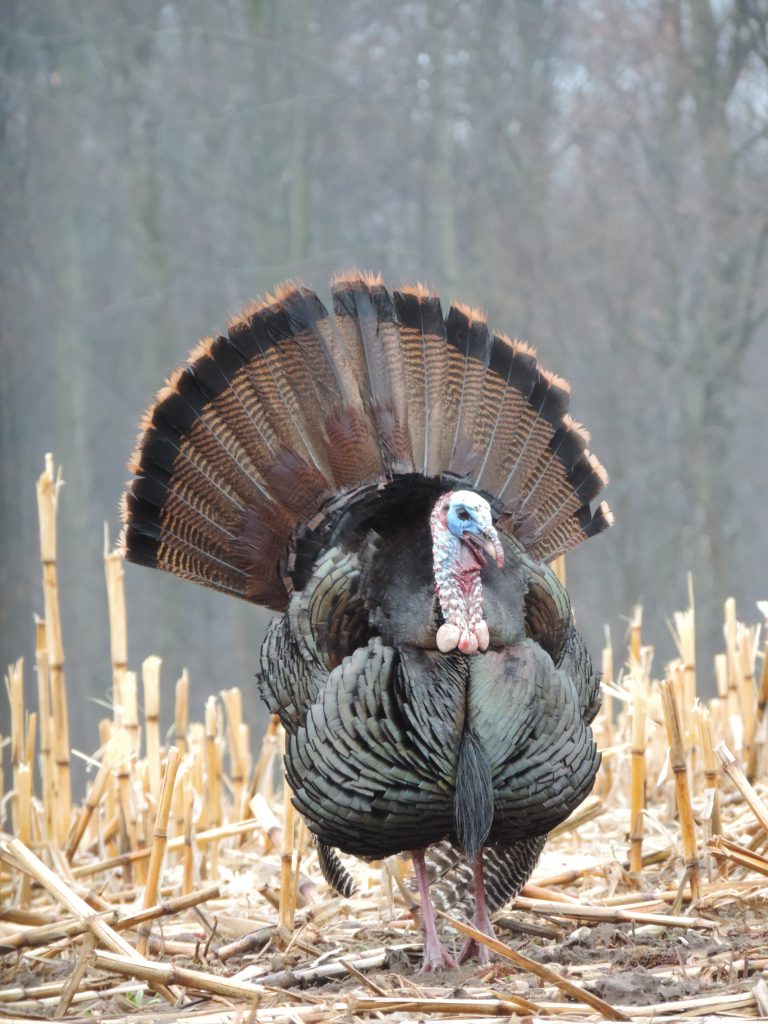
Turkeys rarely stand still. Long shots increase the likelihood of poor arrow placement. Keep your shots close. I haven’t shot a turkey beyond 15 yards in years. I put my decoys at 8 to 10 yards, and I shoot when the bird is there.
Shot Placement
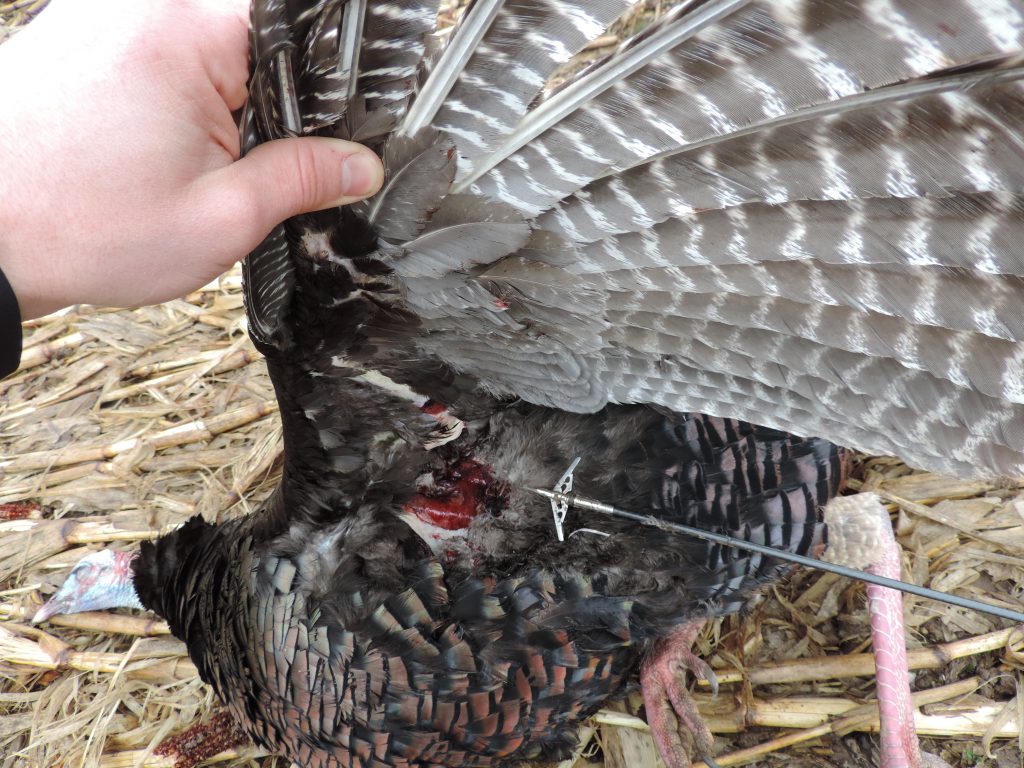
Study wild turkey anatomy extensively before hitting the woods. Turkeys make confusing targets, and as they change angles, it substantially alters where you must place your arrow. There are also nuances, such as the fact that a strutting gobbler can tilt his tail, making him appear to be standing at a different angle than he actually is. On YouTube, search, “Ryan Kirby Art Turkey Shot Placement.” You’ll find a great video with shot-placement diagrams.
After the Shot, Hold Tight
Shotgun hunters typically run out and step on the flopping gobbler’s neck. When you strike a bird with an arrow, remain still. About the only time you’ll catch a fleeing turkey is if its legs or wings are broken. Even then, it’s questionable. Like a deer, wait to follow up on a shot turkey. I never suggest charging out to the bird immediately.
Shoot Again
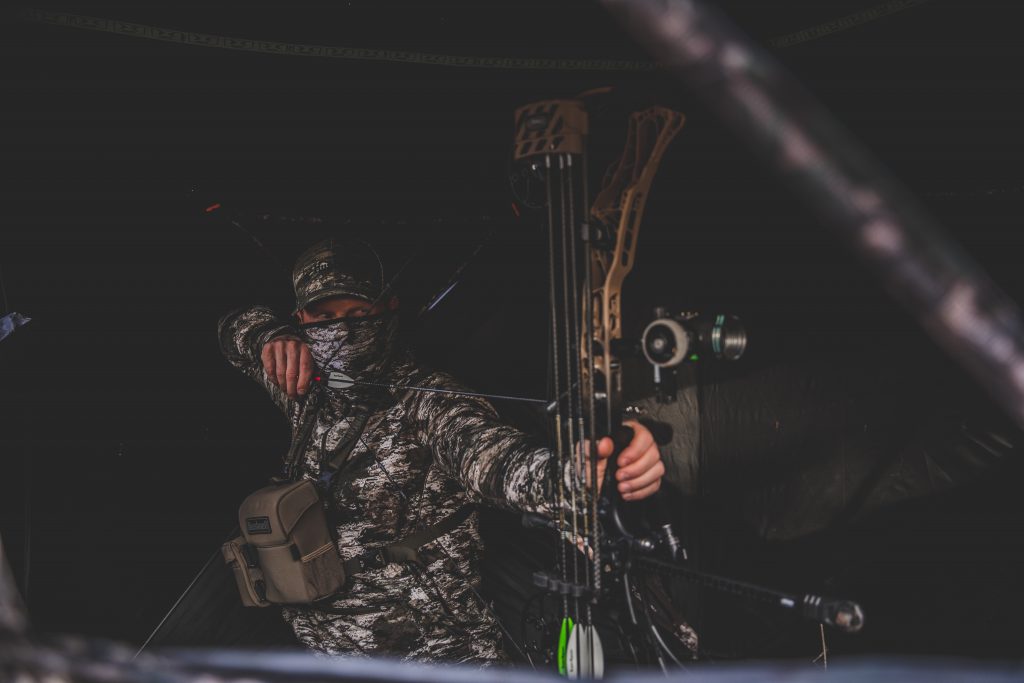
Several times, I’ve hit turkeys with what looked like great hits only to watch them begin walking off. Unless the bird flies or reaches cover, you’ll often have another opportunity, so nock a second arrow as fast as possible with as little movement and commotion as possible. After you’ve hit a bird, shot-distance ethics are no longer at play. I once finished a mortally wounded gobbler with an 86-yard shot (my sight dials out to 130 yards). If you have a pin for the range the wounded bird is at, shoot again.
Where to Look
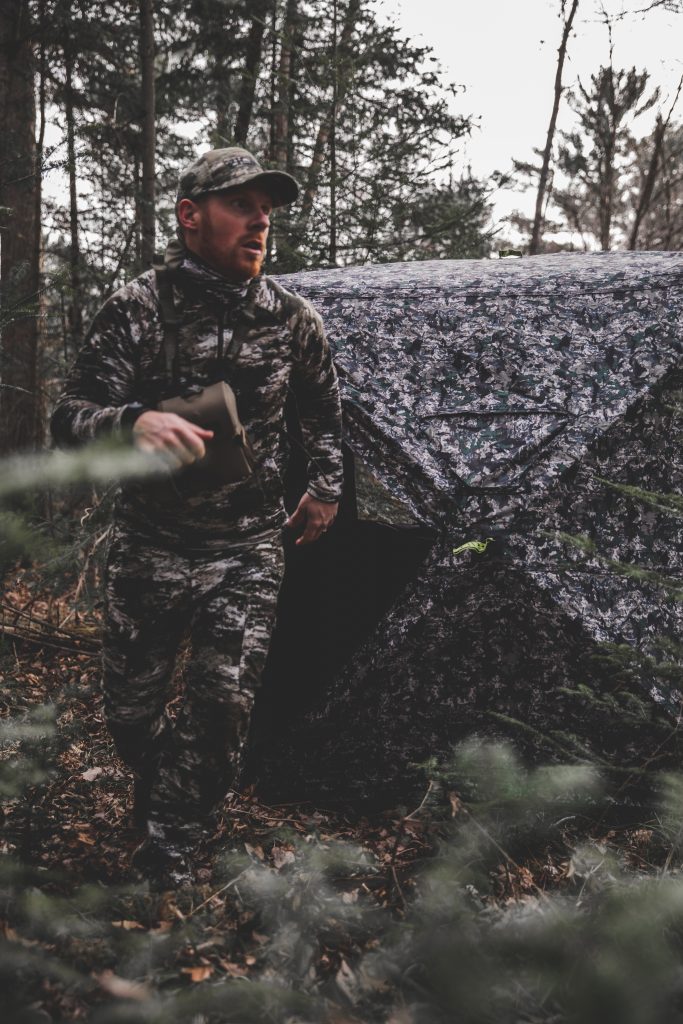
When you strike a bird with an arrow, always watch it closely, mentally noting the landmark closest to where the turkey disappears. In my experience, most turkeys continue following a mostly straight line before bedding or expiring. I haven’t noticed any weaving, circling or sharp course changes as I’ve seen with deer and elk.
If you have no blood to follow, grid-searching for a turkey can be difficult. If you’re in open hardwoods, look for brush piles or horizontal cover such as logs. A solidly hit turkey will typically bury itself where it is hard for predators (including humans) to see. Move slowly. Use your optics. If you’re searching in a swamp or dense poplar saplings, the search becomes more difficult.
Final Notes
When you hit a turkey with your bow, exhaust every effort to recover it. Turkeys are plentiful in some areas, but in others, they’re declining. If there aren’t a lot of birds, you’d best consider your tag punched, unless you’re certain that your hit was superficial and that the turkey will live.
If there are lots of turkeys and you decide to continue hunting after putting in the effort and failing to recover your gobbler, reflect on the unrecovered bird. Feel some heavy remorse, but then pick up your bow and practice diligently before heading back out. Study anatomy diagrams closely. And when you get another opportunity, slow down. Take your time, and make your shot count.