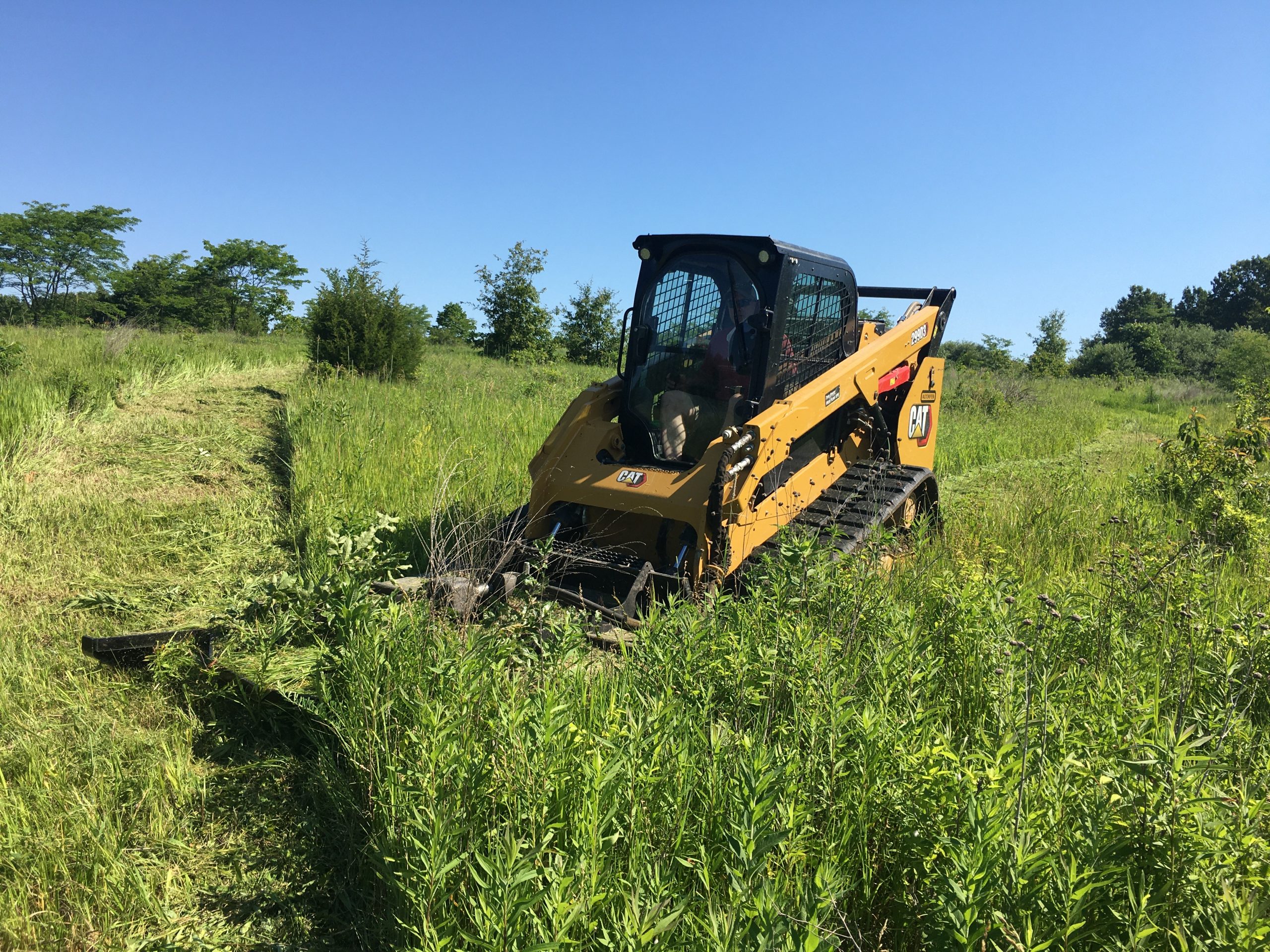
Equipment Options for Landowners
Owning land where you can hunt or enjoy other outdoor recreation is a dream for many people. Properly maintaining that land for your intended uses can help ensure it provides years of enjoyment.
Mowing, controlling brush (and invasive species) and planting food plots are common things most landowners do for regular upkeep. Having and operating your own equipment can add to the satisfaction of owning ground. Whether you plan to buy or rent equipment, several important considerations should inform your final decision.
Start by creating a plan that covers what you want to accomplish on your property, factoring in the acreage, your interests and your budget. Is mowing sufficient or do you need to cut brush and plant food plots? How many hours a year do you plan to spend on maintenance, and do you have the time to do it yourself? Are any major habitat improvements needed? What level of investment will return the best benefit?
Once you determine requirements, then you can decide whether it makes sense to buy or rent the necessary equipment or hire out the work. Sometimes, a combination of all three makes sense.
At a minimum, most landowners own some sort of tractor, with implements added as needed. With the popularity of small hobby farms in recent years, prices for used equipment have risen. It is important to weigh the options when deciding to buy new or used. Buying new requires a greater initial investment, but you then have dealership support and a factory warranty. A dealership can also handle maintenance. New equipment also depreciates in value. A new tractor depreciates 15-30% in the first year and 8-13% annually afterward. Unless you have farm-based income from your property, you likely cannot deduct that depreciation from your taxes. Talking with your tax preparer can help you explore options.
Most landowners opt to buy used equipment due to the reduced expense and large inventory available. Used equipment, however, is truly a “buyer beware” scenario. Research well before spending money in the used market. Used tractors are for sale at dealerships, from individuals and at farm and equipment auctions. Dealers check out any used tractors they sell; they have a reputation to protect. Buying from a dealership also gives you someone to go to if you have problems. If you buy used items from other sources, especially if you are inexperienced with tractors and other equipment, having a mechanic do a thorough inspection is a smart idea, even if you must pay them a fee. Major repairs to used equipment can be expensive and quickly negate any savings from the purchase.
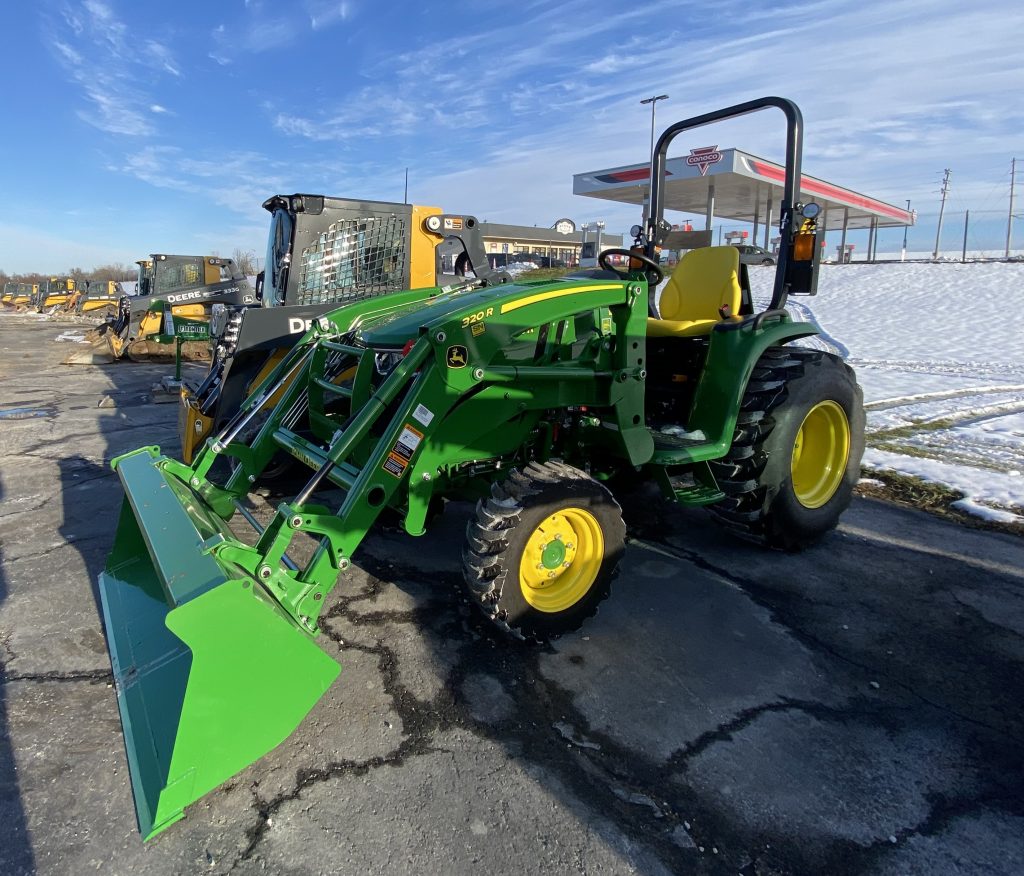
Along with a tractor, a piece of mowing equipment is often part of the required tools. If you plan to cut grass and small brush, a brush cutter that matches your tractor’s horsepower is a sound investment. Equipment dealers commonly offer specials during the year, offering package deals with better financing for compact tractors with implements, such frontend loader attachments, mowers and blades. This can be a good option for landowners, as they are assured that the equipment is matched to the tractor’s size. For other equipment, such as planters for food plots, renting may be more cost effective. Small planters are expensive and only get used once or twice a year.
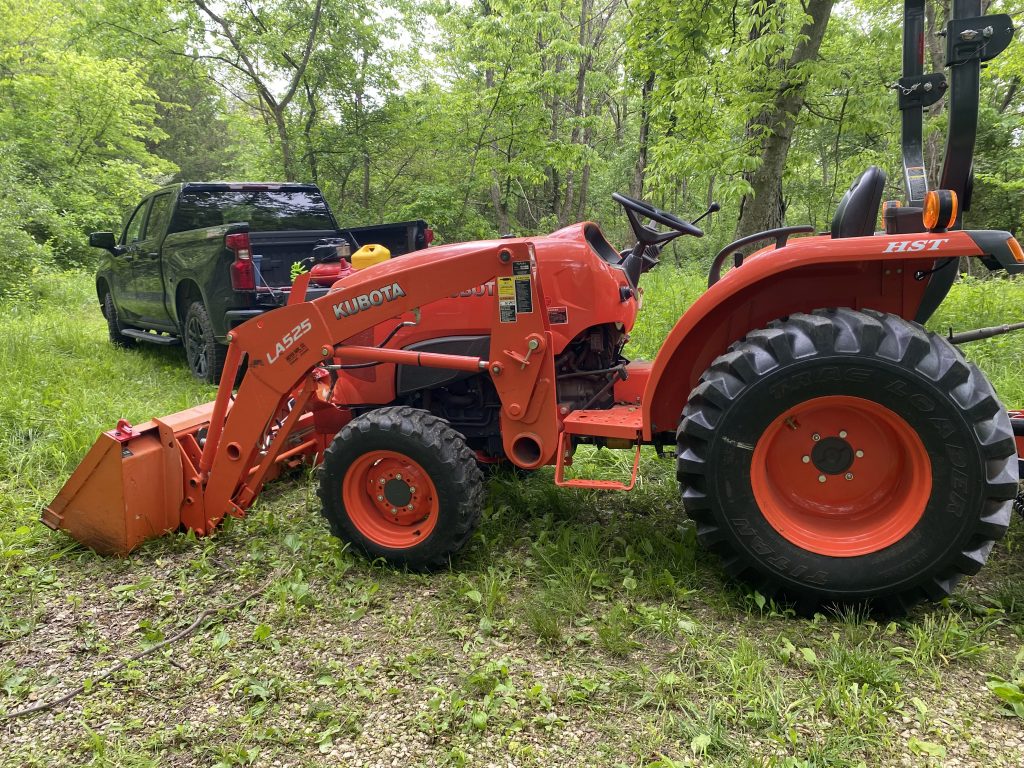
Owning land and maximizing its recreational or agricultural potential requires sound planning and decision making, including those involving important equipment choices. Maximize your budget and start turning dreams into reality.
New vs. Used
A new tractor depreciates 15-30% in the first year and 8-13% annually afterward, but new equipment comes with dealership support and a factory warranty.
Most landowners opt to buy used due to the reduced expense and large inventory available, but major repairs to used equipment can be expensive and quickly negate any savings from the purchase.