Continuing Decades of Conservation Partnership on the Cherokee National Forest
The NWTF has an established history of conservation success on the Cherokee National Forest.
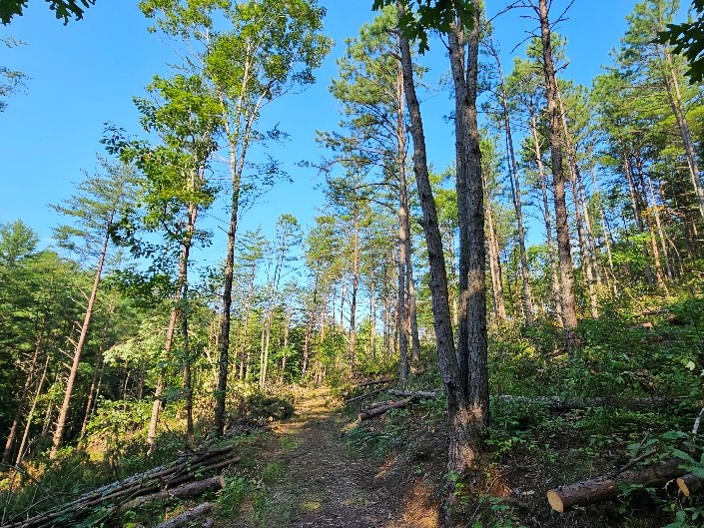
Since the 1990s, the National Wild Turkey Federation has partnered with the USDA Forest Service to improve habitat for wild turkeys on the Cherokee National Forest in east Tennessee. From local chapter involvement to vital funding from the Tennessee NWTF State Chapter, the decades-long partnership continues today through the Miller Ridge project, an effort between the Forest Service, the NWTF and the Tennessee Wildlife Resources Agency designed to bolster habitat for wild turkey and the overall health of the forest.
During the project's planning phase in 2025, the Forest Service outlined two primary forestry goals: create open woodland conditions around existing wildlife openings and improve the health and diversity of timber stands within the Tellico Ranger District of the national forest.
For the NWTF, these management objectives translate into improved nesting and brood-rearing habitat, which wild turkeys depend on in the spring for successful reproduction. The work will also create a diverse mosaic of habitat the birds can utilize throughout the year. For TWRA, the effort benefits an array of additional wildlife that inhabit the forest that the agency is responsible for conserving.
To bring the effort to fruition, TWRA matched the Tennessee NWTF State Chapter's $12,000 contribution and contracted the implementation of a variety of forest management techniques, each with its own benefit to the landscape.
For instance, chainsaws were used to fell unwanted trees less than 12 inches in diameter while retaining desired species, including oaks, hickories, shortleaf pine, pitch pine, table mountain pine and soft mast producers. Unwanted trees greater than 12 inches in diameter were girdled. Species targeted for removal included Virginia pine, white pine, red maple and tulip poplar.
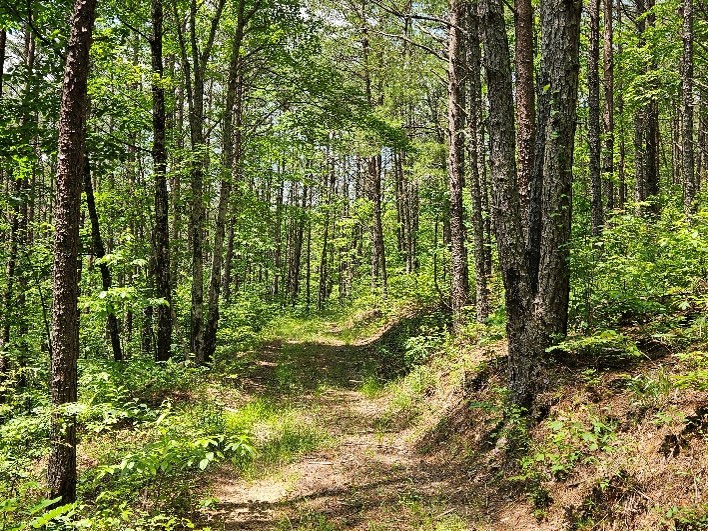
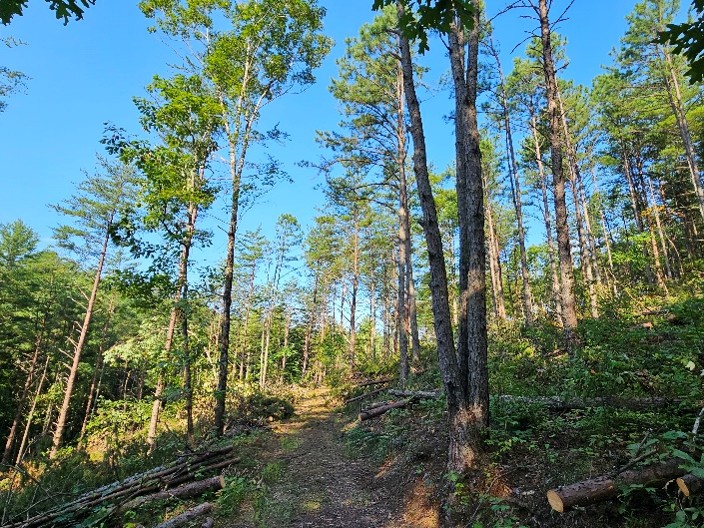
The remaining stands were thinned to a spacing of about 30 feet by 30 feet. 118 acres of work was completed recently.
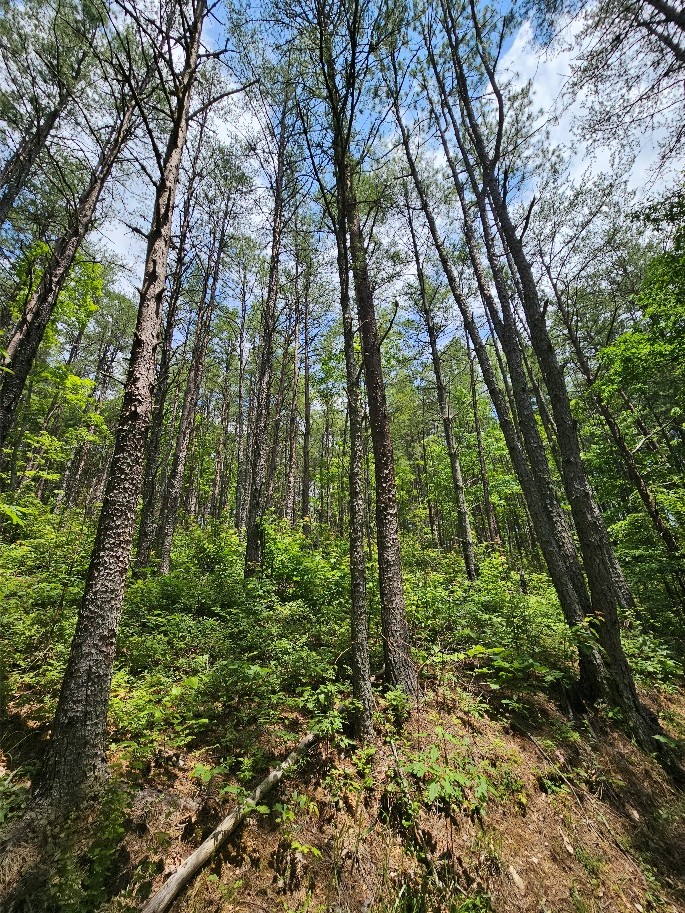
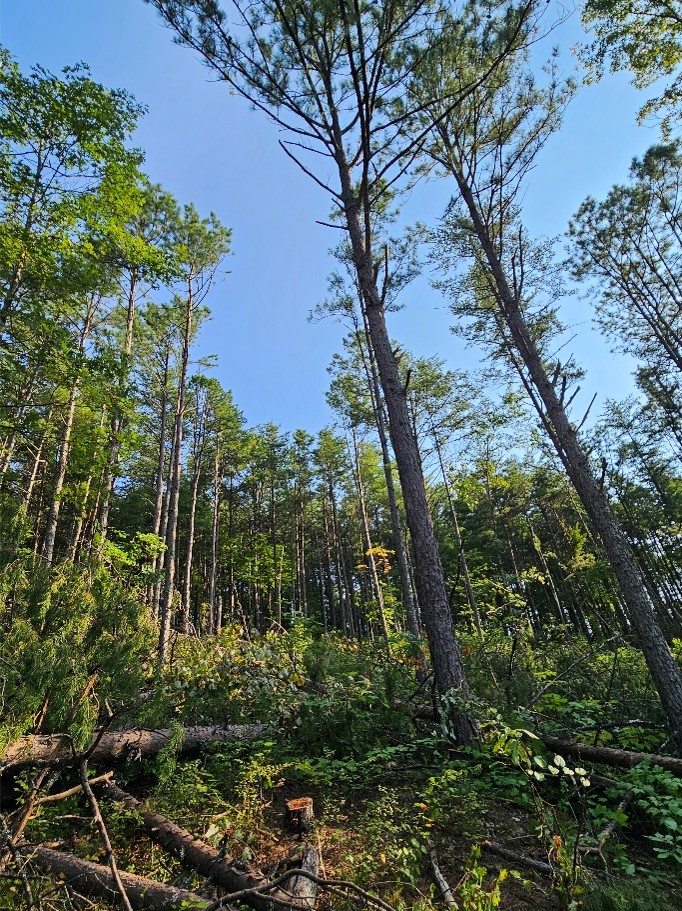
These efforts increased sunlight to existing wildlife openings and the adjacent forest, which will result in more native grasses and forbs that provide the essential habitat components for wild turkey nesting and brood rearing, while also improving the overall forest ecology within the Cherokee National Forest. This effort contributes to the NWTF's Habitat for the Hatch Initiative, which seeks to create 1 million acres of wild turkey nesting and brood rearing habitat across eight southeastern states by 2033. Since 2023, the initiative has completed more than 500 projects similar to the work at Miller Ridge. Alone, the projects benefit wild turkeys and the ecosystem at a local level; together, the projects are making a landscape-scale impact.
Partners are planning prescribed burns for spring 2027 to help reduce some of the accumulated woody debris from forestry work and stimulate the seedbank. Partners will also establish an area around Miller’s Field and Pine Thicket Ridge, where more frequent burning will help maintain open woodland conditions around wildlife openings. As restoration continues at Miller Ridge and future projects take shape, the NWTF and its partners in Tennessee are carrying forward a conservation ethos that began decades ago at the grassroots level.