Conservation Shaping the West
Conservation is often measured in acres treated, trees planted and miles of streams restored. But for the people who live, hunt, fish and recreate across the West, the impact of that work can be seen in something much more tangible: healthier forests, cleaner waterways, thriving wildlife and landscapes that are more resilient to wildfire, drought and other challenges.
This Conservation Week, the NWTF is inviting people across the Western region to see that work for themselves.
From ponderosa pine forests to sagebrush country, NWTF and its partners are working to improve habitat, protect communities and strengthen the landscapes people and wildlife depend on. Many of these projects are accessible to the public, offering an opportunity to visit a restoration site and see what conservation looks like on the ground.
Here are just a few places across the West where you can see that work firsthand.
Disclaimer: The project locations included in this article are situated on public lands that may be open to a variety of recreational uses, including hunting. Before visiting, always check the specific rules, regulations, season dates and access requirements for the property you plan to explore. Visitors should also be aware that hunting activities may be occurring and are encouraged to wear appropriate safety colors when applicable, remain mindful of other users, and recreate responsibly. Conditions, access restrictions and regulations can vary by property and may change throughout the year.
Arizona: General Springs Project
On the Mogollon Rim near Happy Jack, the General Springs Project is helping restore forest health while protecting one of the region’s most important resources: water.
The ongoing project is part of the larger Cragin Watershed Protection Project and encompasses approximately 3,500 acres on the Coconino National Forest. Treatments include forest thinning, roadside treatments and powerline corridor protection designed to reduce the risk of uncharacteristic wildfire and protect critical infrastructure that supplies water to the Town of Payson.
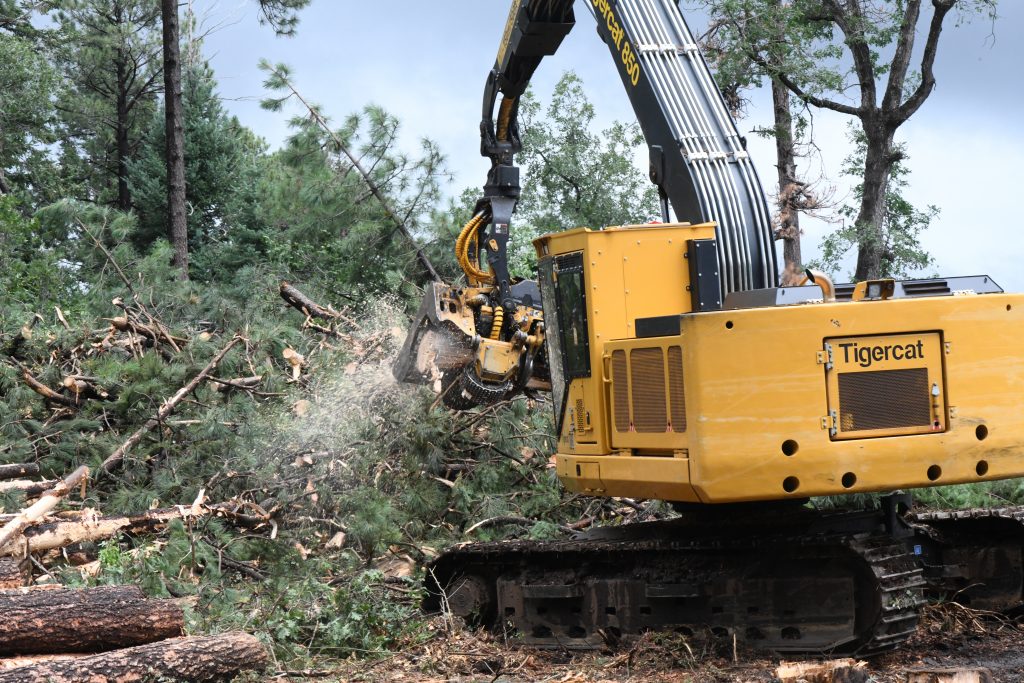
The benefits extend well beyond people. Healthier forest conditions improve habitat for wild turkeys, Mexican spotted owls and a variety of other wildlife.
The project is a partnership between NWTF, the USDA Forest Service, Salt River Project, the Town of Payson, the National Forest Foundation and the Arizona Department of Forestry and Fire Management.
California: Cleveland Icehouse Project
Three years after treatment, the Twofer Project within the larger Cleveland Icehouse Project offers a chance to see what restoration can look like after the machinery leaves.
Located in California’s Eldorado National Forest, the project sits in a landscape shaped by decades of wildfire, including the 1959 Icehouse Fire, 1992 Cleveland Fire and 2021 Caldor Fire. NWTF began working in the area in 2017 to reduce the potential for fast-moving wildfire, protect local water supplies and improve breeding and nesting habitat for wild turkeys and other birds.
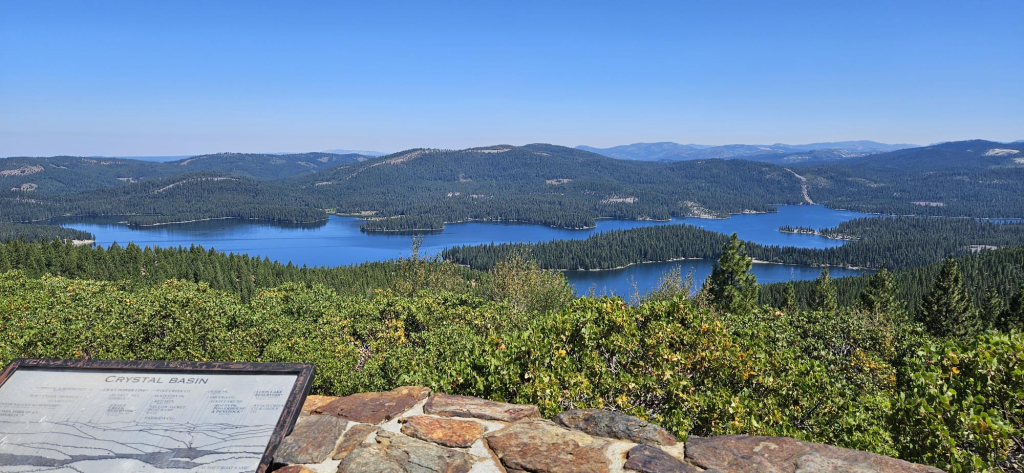
Today, visitors can travel to the project from Icehouse Reservoir on a paved road and see the landscape’s recovery firsthand.
Colorado: Rocky Mountain Arsenal National Wildlife Refuge
Few conservation projects offer a better opportunity to connect people with wildlife than the Rocky Mountain Arsenal National Wildlife Refuge.
Located just east of Denver, the refuge is within easy reach of approximately 4 million people on Colorado’s Front Range. Visitors can see the Denver skyline to the west and Denver International Airport to the east while traveling the refuge’s Wildlife Loop Drive.
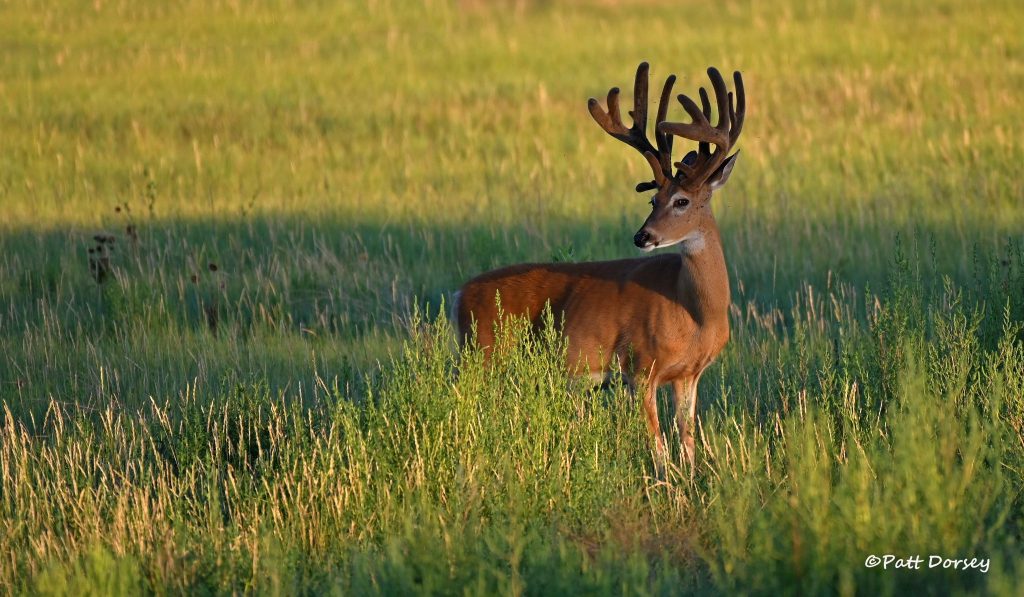
Along the route, visitors can experience restored shortgrass prairie and riparian habitat and see species including wild turkeys, bison, mule deer and white-tailed deer.
On the north side of the loop, the First Creek Waterway Project showcases additional restoration work completed with the refuge, American Conservation Experience and Colorado Department of Public Health and Environment. The project included planting a native sandy-land prairie mix across 60 acres following a prescribed burn and establishing native shrubs and cottonwood trees along a half-mile stretch of First Creek.
It is a reminder that conservation does not have to happen far from population centers. In fact, some of the most meaningful opportunities to connect people with conservation may be right outside their back doors.
Idaho: Boise River Wildlife Management Area
After the 2024 Valley Fire burned thousands of acres across the Boise River Wildlife Management Area, restoration began almost immediately.
Working with the Idaho Department of Fish and Game and other partners, NWTF helped fund fire rehabilitation, support an on-site tree yard and assist with planting efforts across the WMA.
The scale of the work is impressive: 172,000 plants were established across 1,000 acres, including sagebrush, rabbitbrush, bitterbrush, native bunchgrasses, forbs, riparian shrubs and ponderosa pine. Another 4,500 acres were aerially seeded with sagebrush, much of it collected by volunteers, while native grass and forb seed was applied across an additional 250 acres.
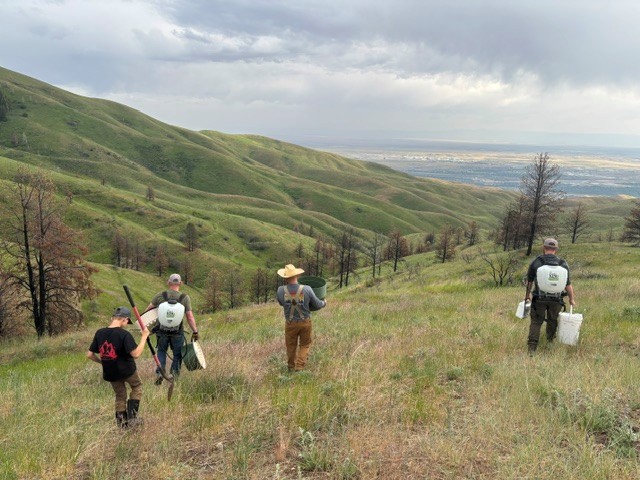
Crews also treated approximately 1,200 acres for invasive species such as rush skeletonweed, cheatgrass and medusahead, helping protect recovering native vegetation.
Local NWTF members, including the Gem State Chapter, played a role in putting plants in the ground. The project demonstrates what can happen when agencies, conservation organizations and volunteers work together to help a fire-affected landscape recover.
New Mexico: Zuni Mountains
The Zuni Mountain Project is NWTF’s longest-running stewardship project in the West — and one of the best places to see what years of restoration can accomplish.
The project began in 2010, and more than 17,000 acres had been treated through the end of fiscal year 2025. Strategic thinning has helped reduce hazardous fuels, lowered the risk of fast-moving wildfire and created healthier, more resilient forests.
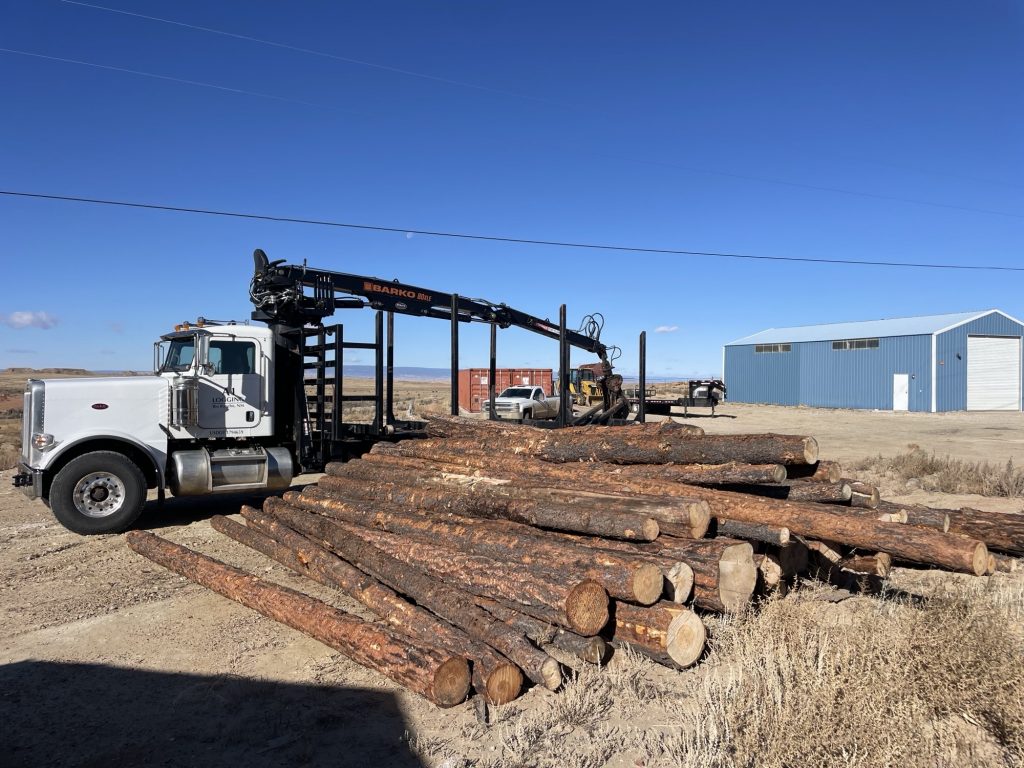
Those changes also benefit wildlife. Improved forest conditions provide habitat for wild turkeys, elk, deer and numerous other species.
The project has also helped improve roads and forest access, while material generated through restoration has provided fuelwood to tribal communities through the Wood for Life program.
At McGaffey Campground, visitors can see several three-year-old treatment areas that have developed into open, healthy ponderosa pine stands. It is a particularly good example of how a landscape can change after restoration, and how those changes can benefit both wildlife and people.
Nevada: Ruby Mountains
Not every conservation story is defined by a specific treatment site. In northeastern Nevada, the Ruby Mountains showcase the importance of protecting high-value habitat across an entire landscape.
Nevada is the driest state in the nation, yet the Ruby Mountains support an impressive diversity of wildlife, including mule deer, bighorn sheep, pronghorn, wild turkeys, greater sage-grouse and the threatened Lahontan cutthroat trout. The mountains also support hunting, fishing, wildlife viewing and the rural economies connected to those activities.
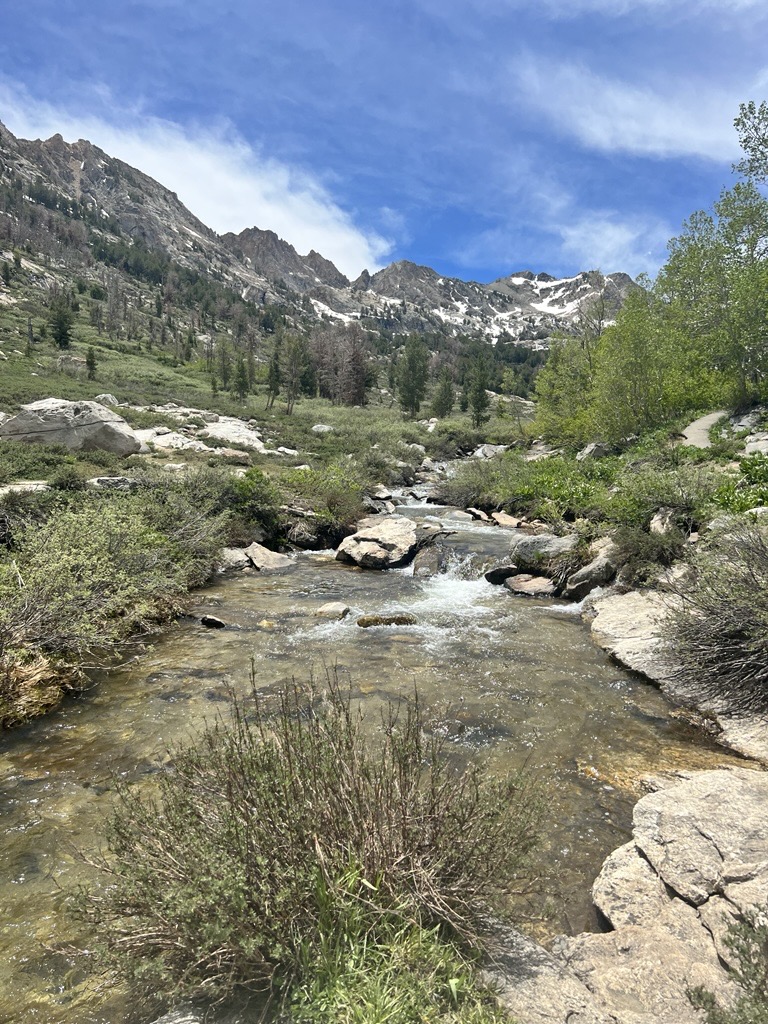
For NWTF, Nevada has been an important state for wild turkey transplants. But Conservation Week is also an opportunity to appreciate the broader conservation value of the state’s landscapes — and to experience the Ruby Mountains for yourself.
Oregon: Starr Aspen Project
On Oregon’s Malheur National Forest near John Day, the Starr Aspen Project restored aspen stands that provide valuable habitat and food for elk, deer, turkeys, bears and other wildlife.
Beginning in 2020, the project included 26 acres of non-commercial thinning, 93 acres of aspen restoration and approximately a mile of stream and meadow enhancement. Fencing was also installed around several restored aspen stands to protect new growth from browsing.
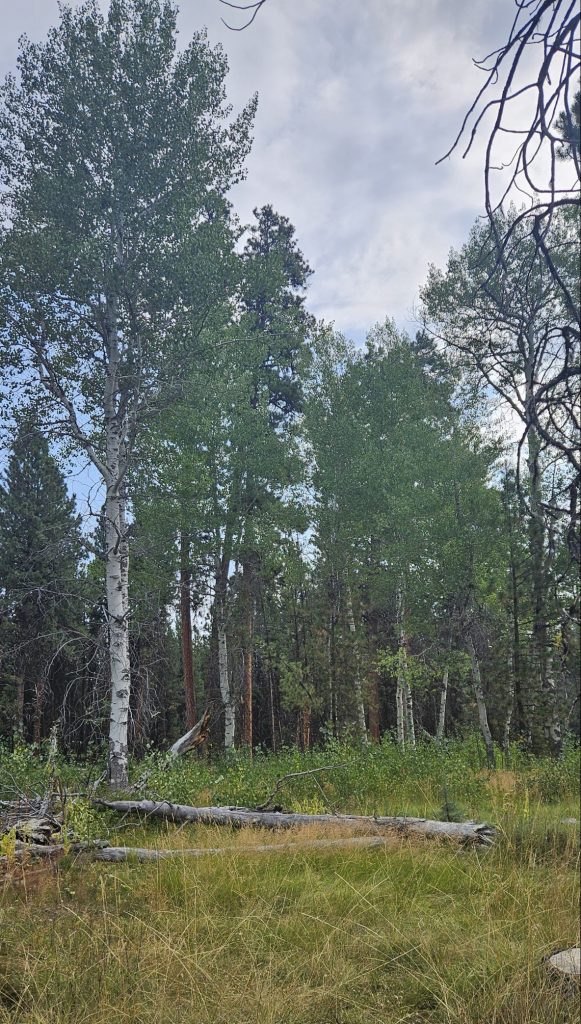
The project was completed two years ago, and visitors can now see aspen suckers returning across the landscape. That new growth is important. Aspen stands are highly valuable wildlife habitat, but many are declining as conifers encroach on the areas where aspen once thrived.
Utah: Upper Provo Stewardship Project
Along Utah’s Mirror Lake Highway, the Upper Provo Stewardship Project demonstrates how multiple conservation needs can be addressed across one landscape.
The project treated 3,873 acres through a partnership between NWTF, the Forest Service and Utah’s Watershed Restoration Initiative.
Work included mastication of encroaching juniper, hazard tree removal, conifer thinning, aspen enhancement and wetland restoration. Together, those treatments improve forest health, reduce hazardous fuels and restore aspen and wet meadow systems while improving habitat for a wide range of wildlife.
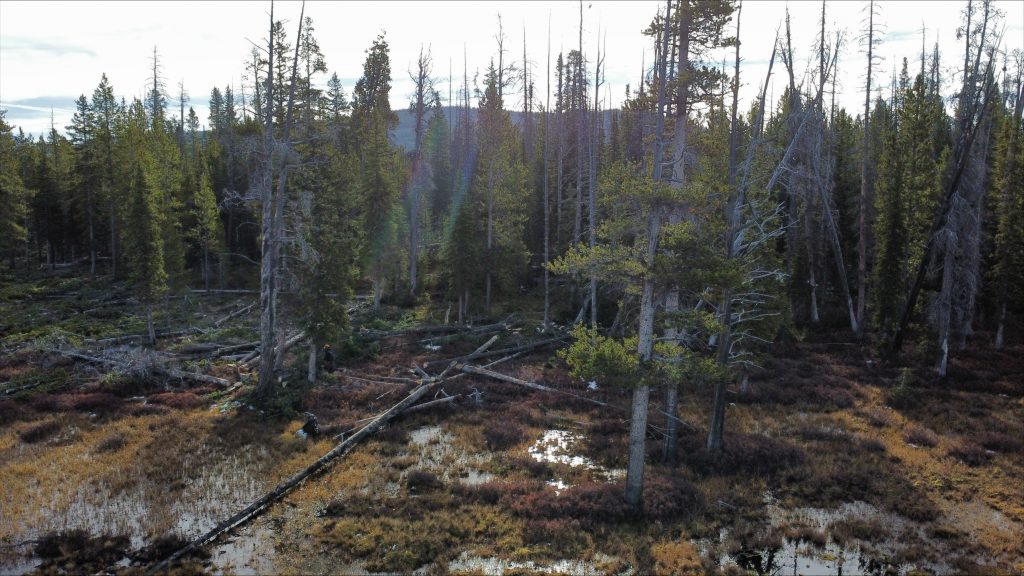
Visitors traveling along the Mirror Lake Highway can see portions of this work near Soapstone Campground and experience the landscape for themselves.
Washington: Wind River Project
In Washington’s Gifford Pinchot National Forest, conservation is being funded in part by the people who hunt wild turkeys.
The Wind River Project began in 2022 and has now completed three phases of restoration. Work has included meadow enhancement through noxious weed abatement, non-commercial thinning and planting native grasses and other plants.
Over the past four years, 206 acres have been treated and more than 5,000 native shrubs and trees have been planted.
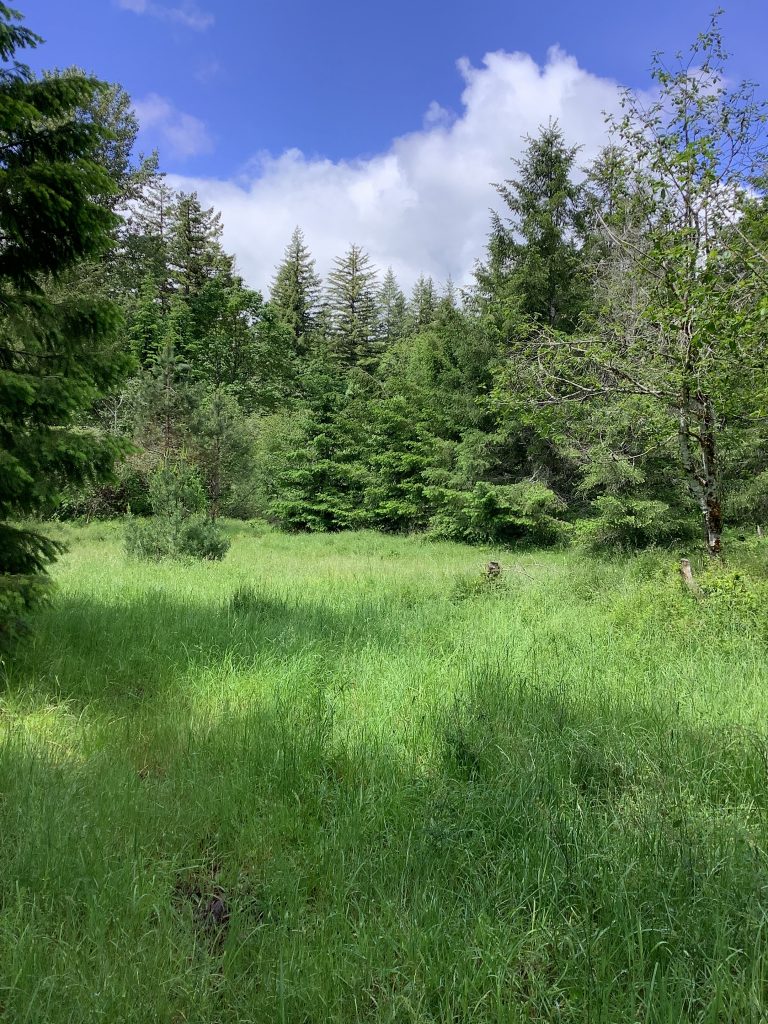
The project is funded by the Washington Department of Fish and Wildlife through turkey tag purchases — a tangible example of how hunters contribute directly to conservation.
Go See Conservation
Every project tells a different story, but together they show what conservation looks like when people come together to improve the places wildlife and communities depend on.
For NWTF, conservation is about more than acres treated or trees planted. It is about creating healthier habitat for wild turkeys and other wildlife, building more resilient forests and watersheds, reducing wildfire risk and ensuring these landscapes remain places where people can hunt, fish, explore and make memories for generations to come.
This Conservation Week, we encourage you to experience that work firsthand. Find a project near you, take a drive, go for a hike and see how conservation is changing the landscape. Conservation is happening across the West, take a closer look and you can see that work taking shape.