Celebrating 250 Years of Freedom and Conservation
America is celebrated as the land of the free, and there is nothing more freeing than the nation’s public land. Many grew up hunting in the heart of the country and fishing in the fresh waters that flow across the entire landscape. Those memories must not be taken for granted, and as we celebrate 250 years of independence, the NWTF encourages everyone to reflect on the nation’s legacy of conservation that has gifted us with the freedom to explore, recreate and enjoy public lands.
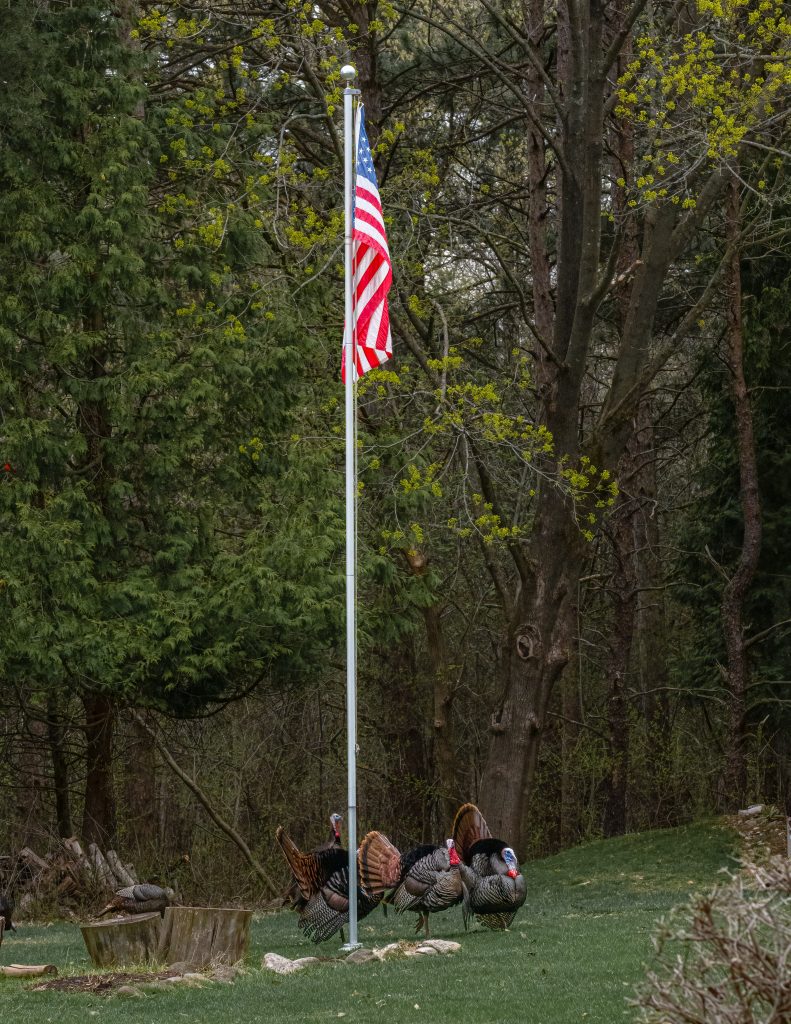
When America declared its independence on July 4, 1776, the sky was the limit. Early settlers expanded westward, forests were cleared and wetlands were drained to build growing communities. Wildlife was harvested with few regulations as market hunting supplied meat and furs to booming populations. The country's natural resources fueled a growing nation, but they were often viewed as limitless.
By the late 19th century, warning signs were impossible to ignore. American bison populations plummeted from the millions to just a few hundred, while deer, elk and countless other species disappeared from much of their historic ranges. Wild turkeys, which were abundant throughout North America, became extirpated from several states, and their numbers fell to fewer than 250,000 birds by the early 1900s.
Early conservationists began asking how the nation's natural heritage could survive if nothing changed.
What followed was not the work of a single law or leader. It was the beginning of a conservation movement founded on the belief that America's natural resources should be managed wisely so future generations could enjoy the same opportunities as those who came before.
Throughout the early 20th century, a series of landmark conservation laws transformed America's approach to wildlife and public lands. The Forest Reserve Act of 1891 laid the foundation for today's National Forest System, conserving millions of acres of forests and watersheds across the West. The Lacey Act of 1900 became the nation's first federal wildlife protection law, which helped end excessive market hunting and gave states stronger authority to regulate game laws and conserve wildlife. In 1916, the National Park Service was created to manage a growing system of parks preserved for the benefit and enjoyment of all Americans, followed by the National Wildlife Refuge System in 1940 and the Bureau of Land Management in 1946, expanding the nation's commitment to conserving wildlife habitat and public lands.
Currently, over 160 million acres of the original public domain lands are in the National Forest System.
Few individuals embodied this vision more than Theodore Roosevelt. During his presidency, more than 125 million acres were added to the national forests, 51 federal bird reservations were established, and the Antiquities Act of 1906 was codified, which gave presidents the authority to protect nationally significant landscapes as national monuments. Roosevelt used the act to protect 18 landmarks, including the Grand Canyon, under the belief that America's wild places helped define the nation's character and conserving them was essential.
He believed the American wilderness was responsible for the strong sense of individualism, and was equally connected to the nation’s hunting heritage
“I heartily enjoy this life, with its perfect freedom, for I am very fond of hunting,” Roosevelt said. “And there are few sensations I prefer to that of galloping over these rolling limitless prairies, with rifle in hand, or winding my way among the barren, fantastic and grimly picturesque deserts of the so-called Bad Lands…”
The American public continued to feel protective over public lands as population growth and urbanization increased the need for undeveloped wild spaces to be conserved as a refuge for wild plant and animal populations, and as a space for recreation.
This led to the passing of the Federal Aid in Wildlife Restoration Act of 1937, or the Pittman-Robertson Act, which directs excise taxes on firearms, ammunition and archery equipment toward wildlife restoration, habitat management, hunter education and research. Together with the Dingell-Johnson Act of 1950, which funds fisheries conservation through excise taxes on fishing equipment, these investments have generated billions of dollars for conservation and helped create one of the world's most successful systems for restoring wildlife and expanding outdoor opportunities.
By the late 1960s and early 1970s, a variety of other conservation laws were passed, including the National Environmental Policy Act, the Clean Water Act, the Clean Air Act, the Wilderness Act, the Endangered Species Act and the Wild Free-roaming Horses and Burros Act. Together, these efforts shaped what became known as the North American Model of Wildlife Conservation — a uniquely American approach that recognizes wildlife as a public resource to be managed through science, supported by hunters and anglers and conserved for future generations.
While celebrating how far the nation has come with conservation efforts, the work is far from over.
Today, the land is facing new challenges, from catastrophic wildfires and prolonged drought to invasive species, habitat fragmentation and land use changes. Some lawmakers even want to sell these treasured landscapes to corporations. Addressing these issues requires the same spirit of collaboration, innovation and stewardship that defined the conservation movement more than a century ago.
The public lands we have today are thanks to conservation predecessors. The wild turkey's spring gobble echoes across the continent because of countless conservationists who refused to accept its decline. To honor their hard work, we must do some of our own.
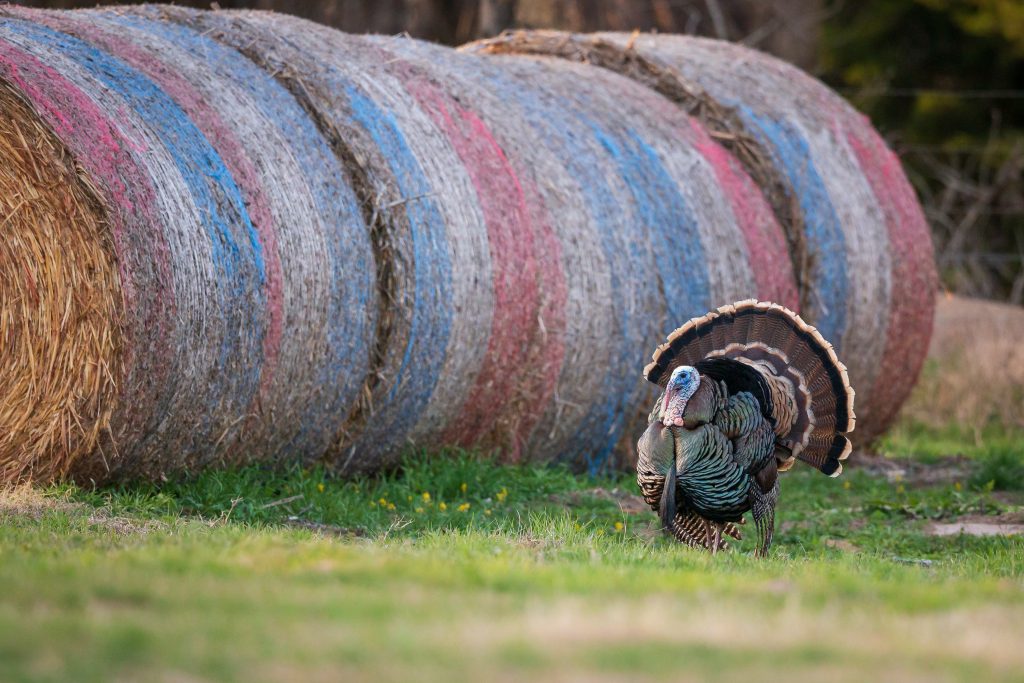
As America celebrates 250 years of independence, we must also continue to lay the groundwork the next 250 years of America's conservation story that is being written by volunteers planting trees, biologists restoring habitat, hunters mentoring new participants, private landowners improving forests, partners working across boundaries and communities choosing stewardship over complacency.
This Independence Day, as flags wave and fireworks illuminate the night sky, we celebrate more than our nation's founding and the uniquely American idea that conservation is not simply about protecting what we have, but about ensuring future generations inherit something even better.
America's greatest conservation success story isn't behind us, it is still being written.