A Place for the Next Generation
There are places that become more than just a backdrop to our lives. They are where families spend summer weekends; where a morning hunt becomes a story told for years; where children learn to fish, hike and explore; and where people return again and again because the landscape feels like home. For National Wild Turkey Federation staff member Krista Modlin, the forest surrounding California's Icehouse and Union Valley reservoirs is one of those places.
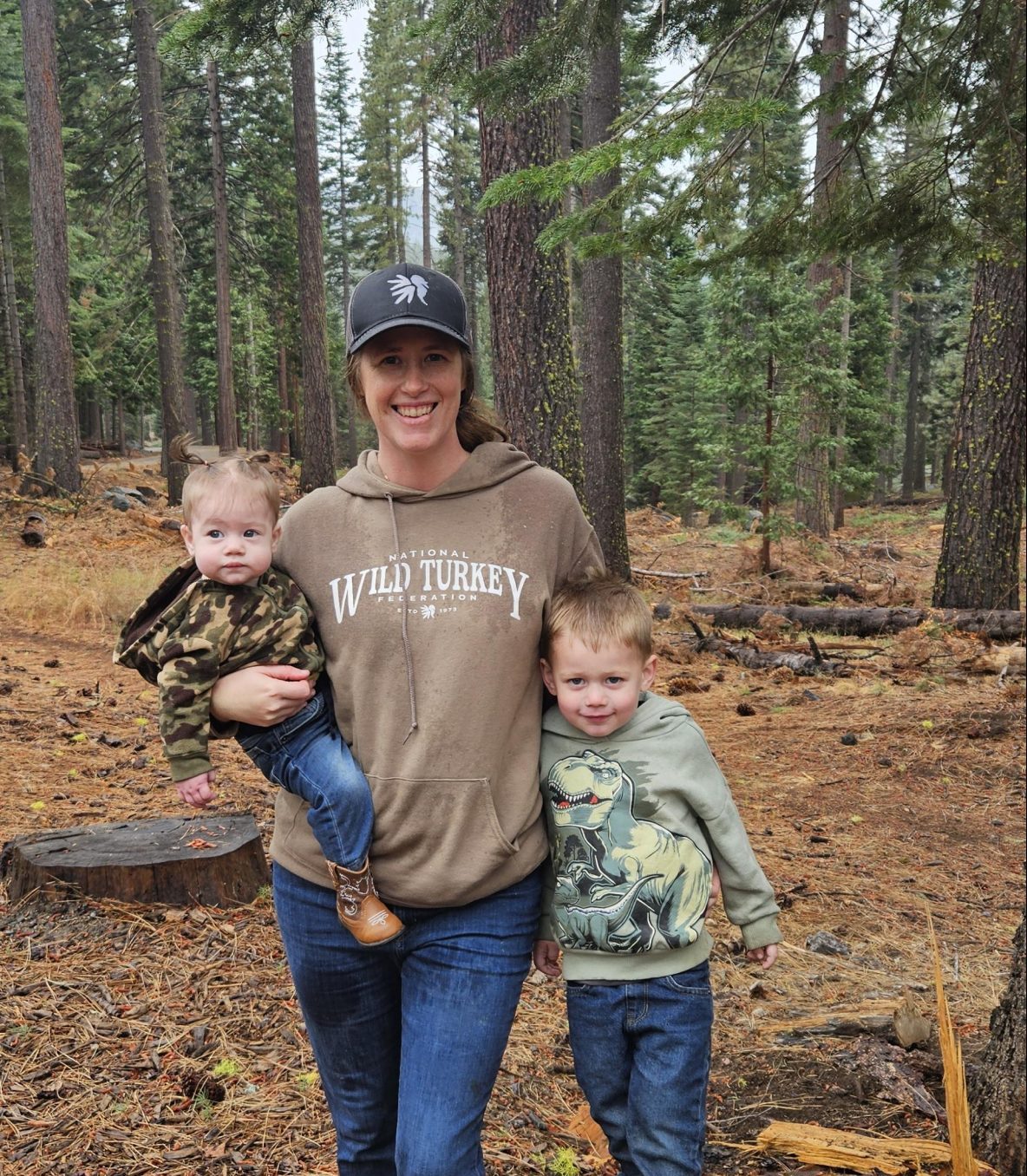
Modlin lives in the area and spends time recreating on the public lands surrounding her home. She knows these forests not only as someone who works in conservation, but as a mother and an outdoor recreationist who wants her family to have the same opportunities she has had. That personal connection is part of what makes the Cleveland-Icehouse Forest Health Project so meaningful to her and why the work being done here extends well beyond the boundaries of an individual project.
For nearly a decade, the NWTF and the Eldorado National Forest have worked together across this landscape to improve forest health, reduce wildfire risk and create better habitat for wildlife. The work has taken place in stages and across multiple locations, with each individual effort addressing a different piece of a much larger landscape. Taken together, those efforts are changing the character and resilience of the forest, and as the final pieces of the project are completed, the scale of what has been accomplished over the past nine years is becoming easier to see.
The Cleveland-Icehouse project sits at the intersection of many of the things that make Western public lands so important: wildlife habitat, clean water, wildfire resilience, hunting and recreation. Icehouse and Union Valley reservoirs provide critical water storage and drinking water for Californians, while the surrounding forest provides habitat for wild turkeys, mule deer and countless other species. It is also a place where people come to camp, hike, fish, hunt and simply spend time outside with family and friends. Keeping all of those benefits intact requires taking care of the forest itself.
Over the course of the partnership, the NWTF and the Eldorado National Forest have addressed dense vegetation and accumulated fuels through a collection of connected efforts carried out across the landscape. The Cleveland-Icehouse Project has been joined by the View 88, Tobacco Gulch, Trestle, Twofer and Threefer projects, each contributing to the broader effort to improve forest conditions. Along Highway 88, for example, the View 88 Project removed roughly 5,000 tons of woody debris. Elsewhere, crews have used a combination of timber sales, natural stand thinning, plantation thinning, mastication and prescribed fire, recognizing that no single treatment is appropriate for every acre.
The most recent work has brought the project closer to completion. On the Twofer Project, mastication was completed in 2023 before prescribed fire was implemented in 2026. On Threefer, a timber sale and natural stand thinning were completed Aug. 14, along with plantation thinning. Post-thinning mastication remains on some units, but the final phases are nearing completion after years of planning and work on the ground.
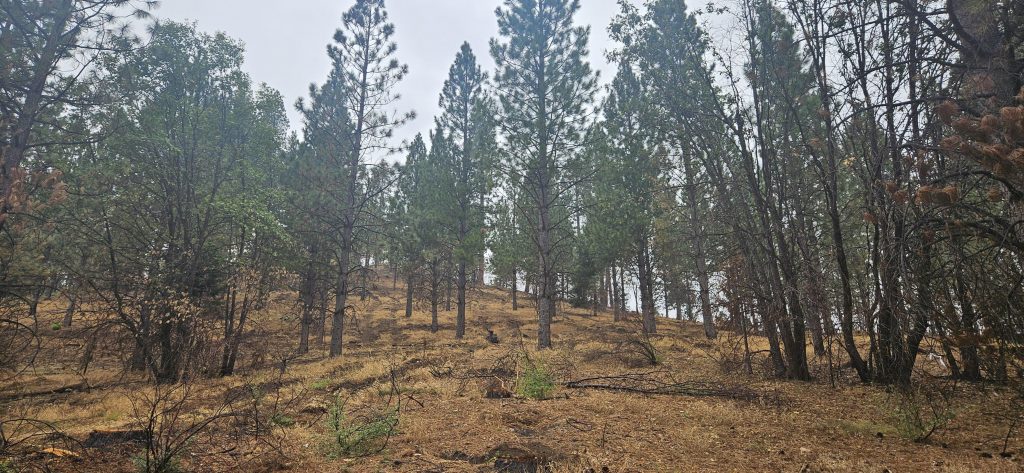
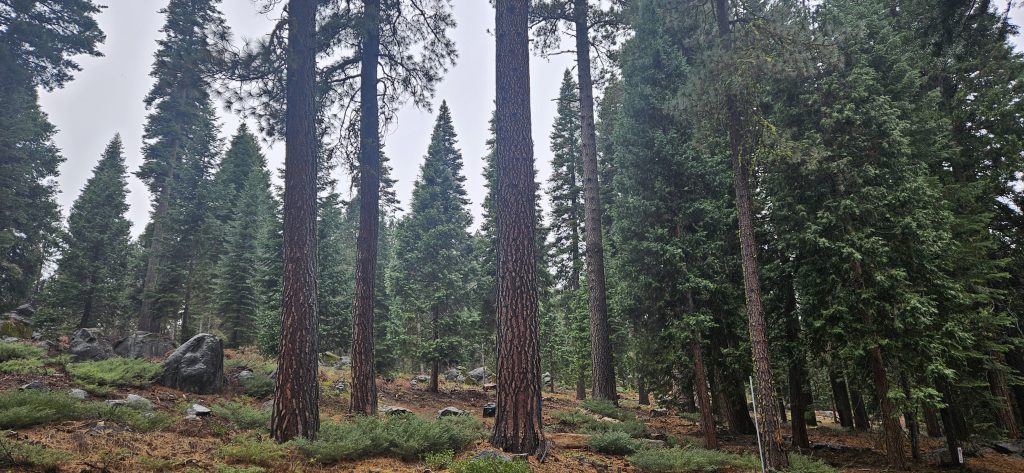
To someone driving through the forest, these treatments may not always look like a traditional conservation success story. A thinned stand or an area recently treated with fire can look different from the dense forest many people are accustomed to seeing. But the goal is not to create a manicured forest. It is to create a healthier and more resilient one, with a diverse structure that is better equipped to withstand wildfire while providing the food, cover and other habitat components wildlife need.
For wild turkeys, that can mean better upland habitat in a landscape that is already important to California's turkey hunters. The Eldorado National Forest is one of the most popular forests for wild turkey hunters in the state, and the Threefer Project will enhance upland game bird habitat on 481 acres of public hunting land within that landscape. Those acres are part of a much larger picture, however, because improving forest health benefits far more than one species.
The same work that creates better habitat can also help protect watersheds, improve forest resilience and maintain the public lands where people spend time outdoors. Those benefits can be difficult to measure in the moment, but they become much more apparent when viewed over decades. A healthier forest is not simply a better place for wildlife; it is a place where families can continue to return year after year.
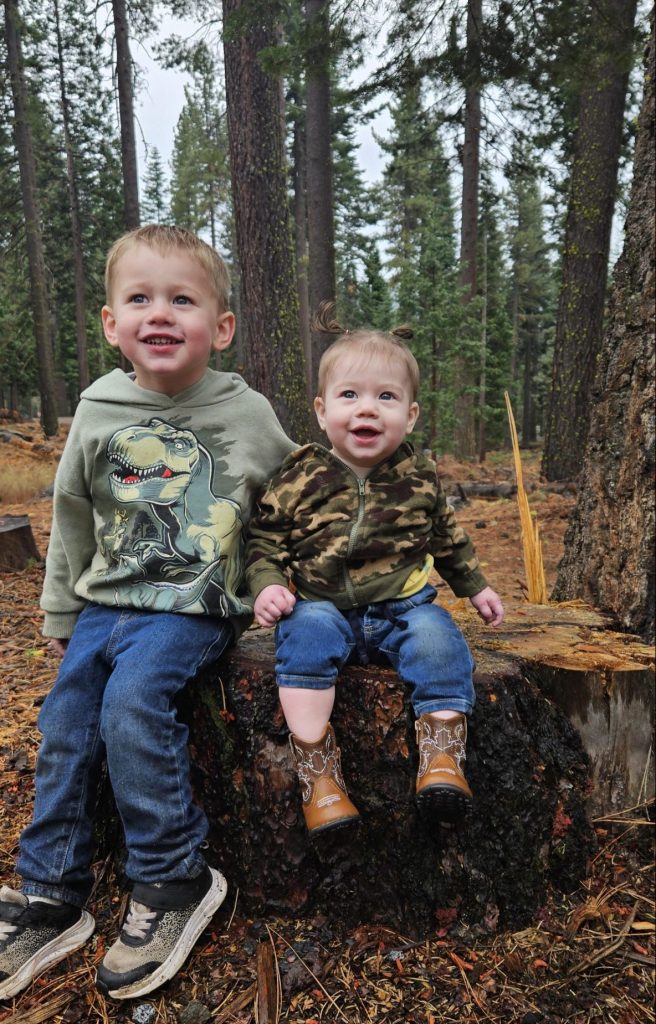
For Modlin, that connection to the landscape began long before conservation became her profession. Growing up in the Sacramento Valley, she spent much of her childhood exploring the Cleveland-Icehouse Project area. Her very first camping trip was at Icehouse Reservoir, where she also caught her first fish and began developing the love of the outdoors and passion for wildlife that would eventually shape her career. Now, she has the opportunity to return to those same places with her son and daughter and watch them begin building their own connections to the landscape.
That is what makes forest restoration personal for Modlin. Conserving this landscape means more than improving forest health today. It means giving her children the chance to build their own memories here, and hopefully giving them a place they will one day want to bring their own children.
That connection was also on display in 2025, when the NWTF's national board gathered in the Lake Tahoe area for its annual meeting. Board members toured the Cleveland-Icehouse landscape, seeing firsthand the work that had already taken place and learning how the project fits into the broader need for forest restoration across the West.
The visit provided a tangible example of what the NWTF's partnerships with the Forest Service and other organizations can accomplish. Cleveland-Icehouse is one project in one corner of the West, but the challenges facing these forests are widespread. Dense vegetation, wildfire and changing forest conditions threaten wildlife habitat, watersheds and the public lands that generations of people have depended upon.
That is also why long-term partnerships matter. Conservation rarely happens quickly. It can take years to develop a project, build partnerships, complete environmental review, secure funding, get work on the ground and eventually see the results. The people who help begin a project may still be around to see it completed, or they may have moved on before the final acres are treated. Either way, the work continues because conservation is ultimately an investment in something larger than any one person.
That perspective changes the way a forest restoration project can be viewed. The acreage treated and the number of project phases completed are important measures of progress, but they don't tell the whole story. The real value can be found years from now, when a family can still load up the car and head into the mountains, when a child can learn to fish at the reservoir, when a hunter can walk through healthy habitat in pursuit of a wild turkey or when a future generation can experience the same sense of connection to the landscape that people feel today.
That is the less visible side of forest restoration. The work happening at Cleveland-Icehouse isn't only about what the forest looks like today; it is about what it will look like decades from now and whether future generations will still have healthy public lands where they can hunt, fish, hike, camp and discover the outdoors for themselves.
For the NWTF, that is at the heart of conservation in the West. Wild turkeys are part of a much larger landscape, and protecting their future means helping protect the forests, watersheds and habitats they share with countless other species. By working alongside the Forest Service and other partners, the NWTF is helping advance projects that improve wildlife habitat, strengthen forest resilience, protect important watersheds and maintain access to the public lands that give people a reason to get outside.
The Cleveland-Icehouse project is nearing its finish line, but its impact will continue long after the equipment leaves the final units. The trees will grow, wildlife will use the improved habitat, water will continue moving through the watershed, and families will continue returning to the reservoirs and surrounding forests. Someday, children enjoying these woods may never know how much planning, partnership and hard work went into keeping them healthy. They will simply know them as a place where they can go outside.
Perhaps that is one of the best measures of successful conservation: not simply what we accomplish for ourselves, but what we leave behind for people we may never meet.
For Modlin and her family, that future is personal. And across the West, it is a future the NWTF and its partners are working to protect, not only for today's hunters and outdoor recreationists, but for the generations who will one day inherit these forests.