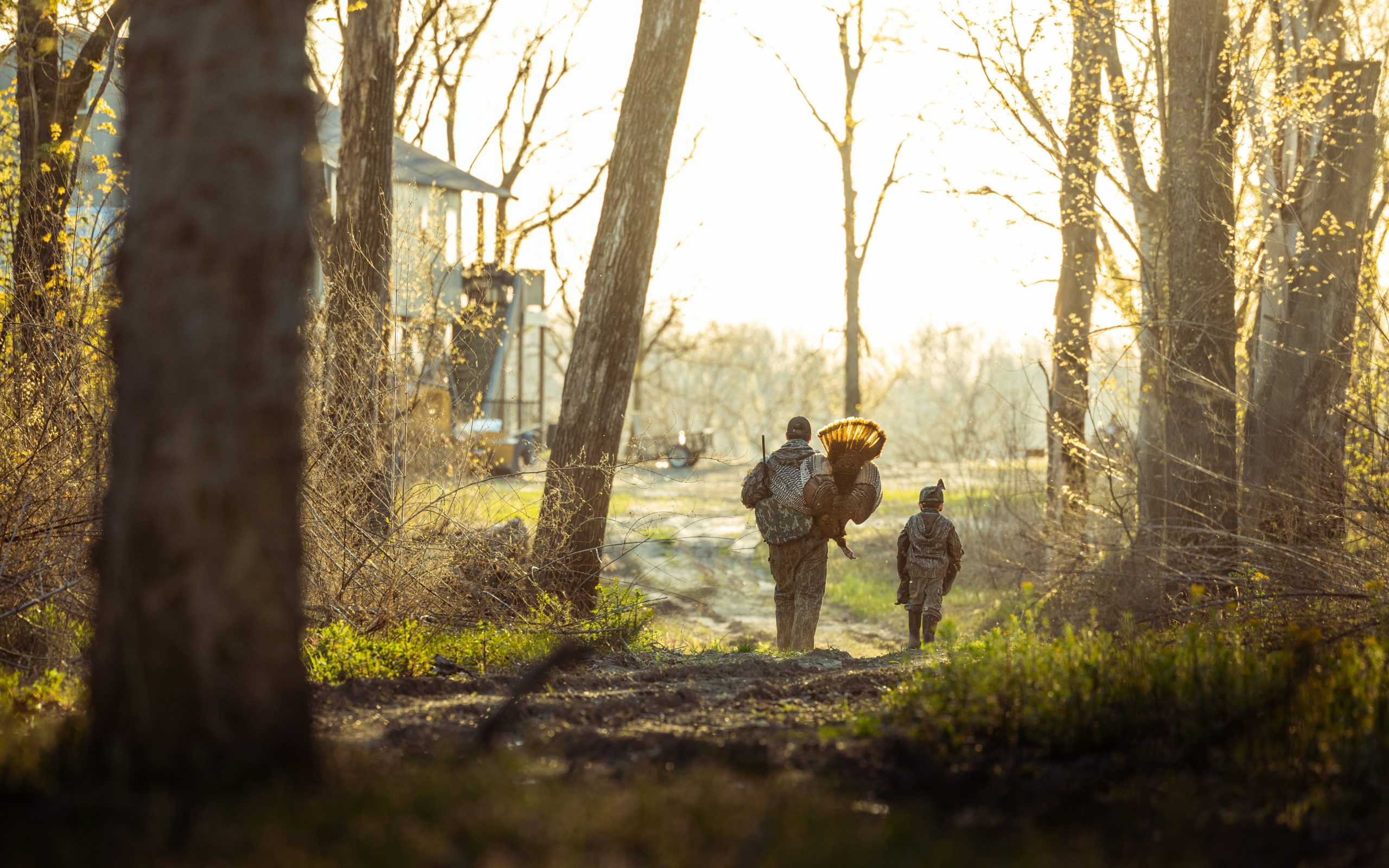
5 Lessons from 40 Years of Turkey Hunting
Four decades of chasing gobblers can teach you a lot if you pay attention. Some of that knowledge can help up-and-coming hunters.
New hunters often ask what they must learn to get better in the turkey woods. Well, a lot. But thankfully, much of that can be passed down from more experienced hunters. Or those veterans can at least nudge newcomers in the right direction. After almost four decades of chasing spring gobblers, I do not claim to be an expert, but I can at least impart much of the knowledge I’ve accrued. Many of those lessons came from better hunters — folks who took time to help me when I was starting. Others were learned the hard way, through painful mistakes that cost me time, effort and gobblers. But all of the lessons still hold true today, and these five takeaways might help your journey to become a good turkey hunter.
No. 1: Hone Your Skills
Turkey hunting demands a broad array of specialized skills. Some might come easily, but most must be practiced and honed. These include calling, woodsmanship, locator calling, reading sign and terrain, interpreting a bird’s actions and more. Combined with critical thinking and in-the-woods experience, these abilities define a good turkey hunter.
Calling might be the easiest place to start, as advice and tutorials are readily available in print and online. Begin by getting comfortable with a few types of calls and then practice often to mimic the sounds of real turkeys. You don’t need to be a Grand National champion to fool birds, but every bit of realism you can muster will help you afield.
The more secret skills — woodsmanship, and judging terrain and turkey behavior — typically only come through experience afield, and trial and error. That leads directly to tip No. 2.
No. 2: Learn Every Day
Just when you think you have turkeys figured out, rest assured that you do not. Every hunt is different. Regions have nuances. Even individual birds will throw you curves. Always pay attention to turkey behavior — when they gobble best, when they go quiet, how they use the landscape and how they act in various weather conditions. Learn when and how to move on turkeys. Note how gobblers respond to certain calls in specific scenarios. Every interaction with a turkey is a lesson, and through time and encounters, you’ll build a bank of knowledge that will help you act and react in the woods when other hunters might scratch their heads.
Along with that, never be afraid to make mistakes. Even veteran hunters with 100-plus notches on their calls know they’ll commit blunders now and then. Learn from those errors. Deduce how they happened, and avoid repeating them.
No. 3: Be Adaptable
You’ll often hear hunters describe their favorite method, whether it’s walking and calling, or sitting over decoys in a blind. What’s the best approach? Learn all of them, and be prepared to use whatever method is best for a situation. This mindset really goes with honing your skills and learning how turkeys act in certain situations.
For example, walking and calling can work well, unless you’re in open terrain and birds are relatively quiet. In such cases, you’re much better off setting up in a good area, remaining motionless and calling for a bit. Conversely, sitting at a field edge over decoys does no good if finicky turkeys stick to the woods and won’t commit. When that happens, you need to figure out how to move on those birds and intercept them. Those are just two examples in a vast universe of possibilities. Here’s the bottom line: Don’t be a one-dimensional turkey hunter. Just be a turkey hunter.
No. 4: Never Underestimate (or Overestimate) a Turkey
You’ve probably heard that turkeys are the wariest birds in North America. Or maybe you heard that they could be easy to fool. Both can be true, depending on the circumstances, but never underestimate the evolution-honed survival instincts of a wild turkey. Their eyesight will pick out the slightest movement, even at a distance, ending a hunt. And their hearing can quickly pinpoint within feet where they heard calling. Always keep that in mind while hunting. Likewise, don’t ignore a turkey’s unpredictable nature. It’s been said that a turkey that does the same thing two consecutive days is telling you how to kill him. That’s true … provided he acts the same way on Day 3, which he might not. Old-timers often say turkeys themselves don’t know what they’ll do from one minute to the next, and that’s pretty accurate.
The senses and behavior of turkeys make them challenging to hunt. However, don’t be intimidated. That challenge is what makes turkey hunting so much fun, and it’s not life or death. Never be afraid to call to a gobbler, slip into a setup or try something fresh.
What’s the worst thing that can happen? A bird might bust you, sure, but then you can just hunt him another day.
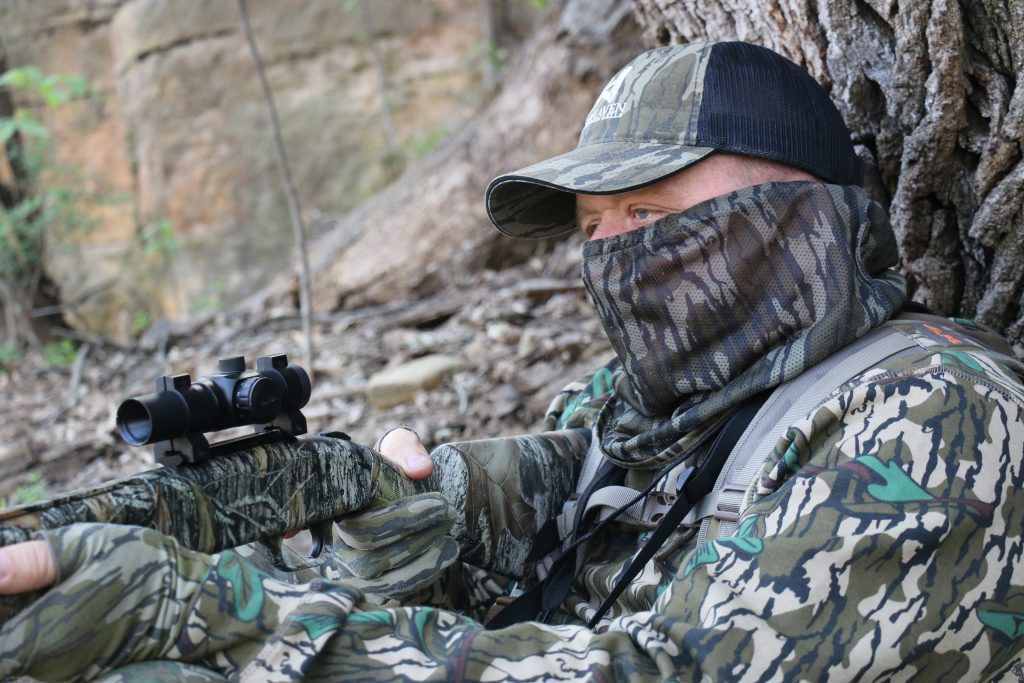
No. 5: Enjoy It
This is the most important lesson. Savor every moment turkey hunting offers, whether you get a gobbler or fall short. Legendary hunter and caller Harold Knight drove this point home to me during a hunt I shared with him 30 years ago. As we slipped into position on a big Kentucky strutter, he paused and said, “No matter what happens, enjoy it.” I’ve tried to keep those words close every day since.
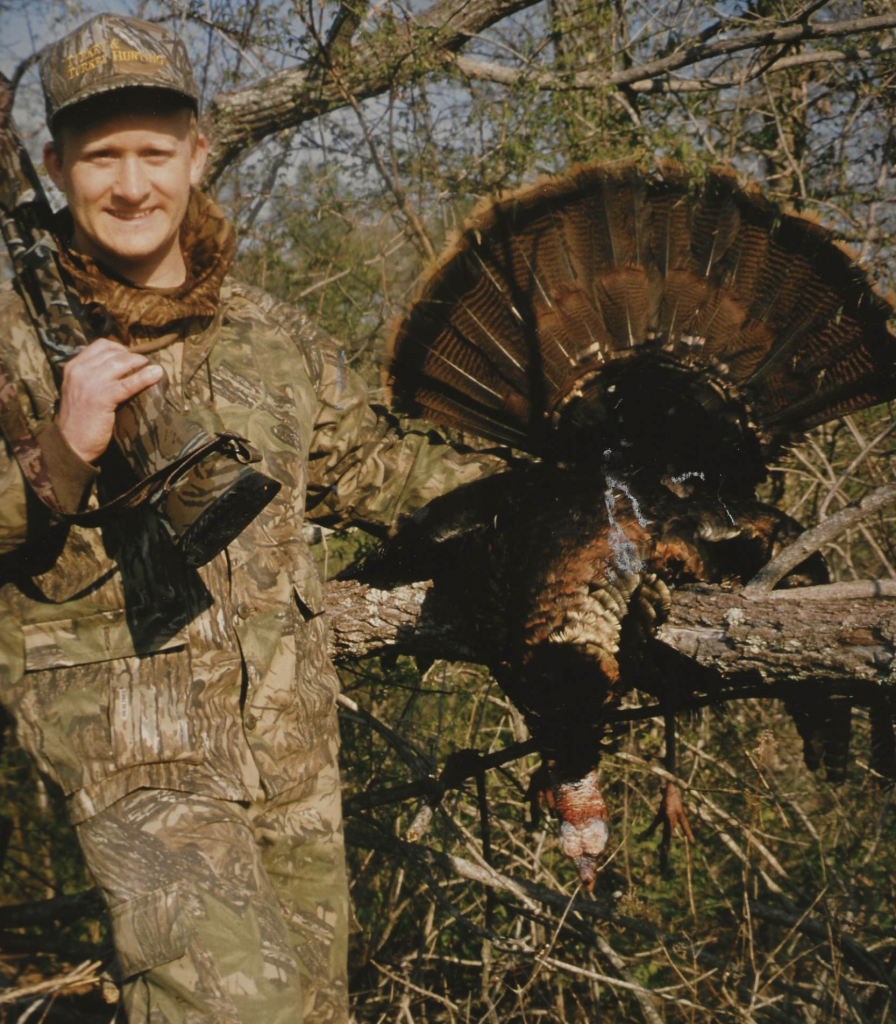
Turkey hunting can be stressful, exhilarating, heartbreaking and sometimes even mundane. But it’s always a unique opportunity to participate in nature and marvel at the spectacle of America’s greatest game bird. Don’t forget that. Revel in the small moments, even during tough days. More important, enjoy and appreciate the folks you hunt with and the places turkey hunting takes you. If you’re like me, after almost 40 years, you’ll think back about those far more than the memories of any gobbler.