2025 NWTF Year-End Mission Delivery Wrap-Up
From major investments in wild turkey research to expanding large-scale habitat initiatives nationwide, 2025 marked another exceptional year of conservation success for the NWTF. Through the dedication of volunteers, staff and partners, the NWTF continued leading the charge to create healthy habitats, resilient forests and lasting recreational opportunities for current and future generations.

Here’s a look at some of the organization’s conservation milestones from 2025.
$503,618 Investment in Wild Turkey Research
Solidifying its role as the national leader in wild turkey conservation, the National Wild Turkey Federation directed significant funding to cutting-edge wild turkey research in 2025, building on a powerful investment strategy helping guide the sustainability of the wild turkey.
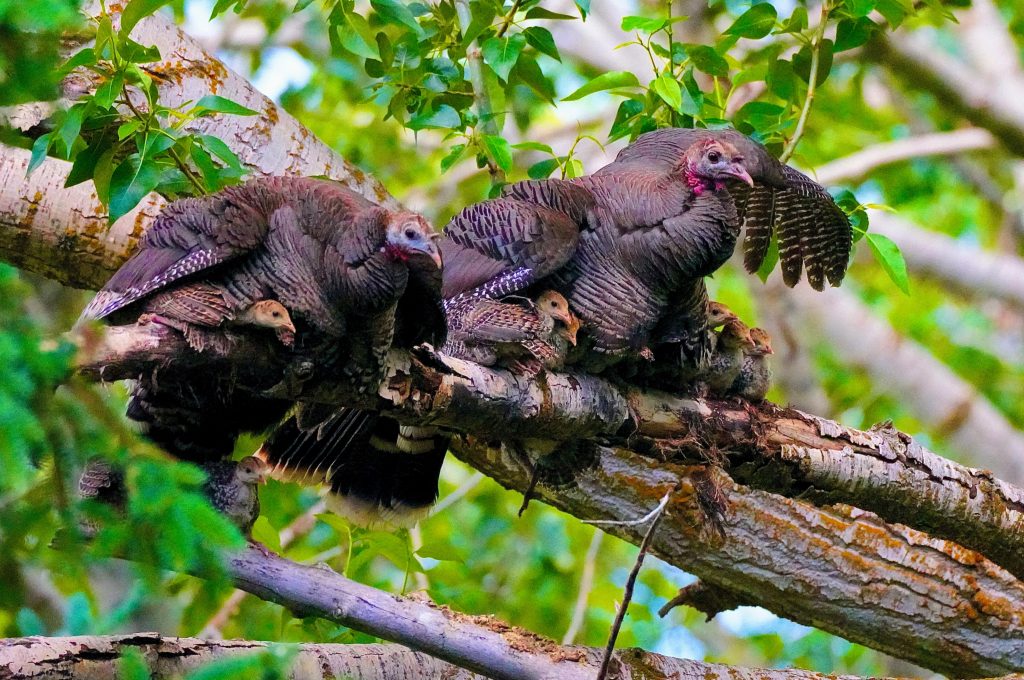
This year’s funding has brought the NWTF’s investment in wild turkey ecology research — in just over three years — to $2,101,439 through its National Wild Turkey Request for Proposals (RFP) Program. This year’s investment builds on significant prior allocations through the RFP program, including $362,889 in 2022 for seven projects; $587,324 in 2023 for 10 projects; and $655,447 in 2024 for nine projects. Since 2022, the NWTF and its partners have provided more than $22 million to wild turkey research projects.
Thanks to support from dedicated partners, such as the Bass Pro Shops and Cabela’s Outdoor Fund, Mossy Oak and NWTF state chapters, the RFP program remains an aggressive, annual effort to fund critical wild turkey research projects nationwide.
In 2025, the NWTF further strengthened its long-term commitment to science-based conservation by creating a new leadership position — National Director of Wild Turkey Research — to guide the organization’s scientific strategy and research priorities nationwide. This role will oversee and administer the NWTF’s RFP program moving forward, while also helping identify emerging research needs, strengthening collaborations with state agencies and universities and ensuring that research findings are translated into actionable conservation and management outcomes.
WildturkeyDNA
Launched earlier this spring, a new, large-scale, collaborative research endeavor of wild turkey genetics — wildturkeyDNA — is designed to better understand the wild turkey’s genetic makeup through hunter-harvested wild turkey DNA samples.
WildturkeyDNA is spearheaded by the Wild Turkey Lab, the National Wild Turkey Federation (NWTF), Ducks Unlimited (DU), University of Texas El Paso (UTEP) and the Lowcountry Game Bird Foundation.
Co-hosted 13th National Wild Turkey Symposium
Recognizing the urgency of advancing wild turkey science, the NWTF and its partners fast-tracked the next National Wild Turkey Symposium, hosting the event in 2025 just three years after the previous symposium in 2022.
The NWTF, Missouri Department of Conservation and Kansas Department of Wildlife and Parks co-hosted the 13th National Wild Turkey Symposium Dec. 8–11 in Kansas City, Missouri.
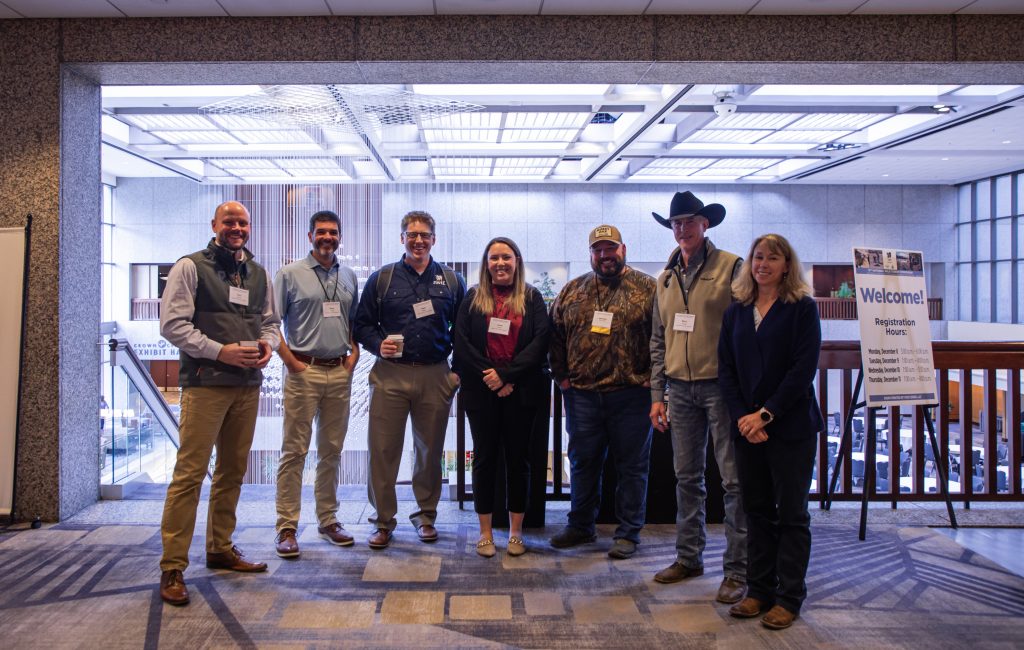
The 13th Symposium brought together wild turkey experts from all arenas, including state, federal and private entities; wild turkey researchers from universities and agencies; land managers; and wild turkey enthusiasts, to exchange ideas to ensure the sustainability of wild turkeys and their habitats. The symposium provides an avenue for managers, student researchers and academia to present recent research updates.
The first National Wild Turkey Symposium was held in 1959 and has been held about every five years since the second Symposium was held in 1970.
Roots to Roost Initiative Launched
In September, the NWTF announced the organization’s new Midwestern Roots to Roost Initiative at the Midwestern Association of Fish and Wildlife Agencies Deer and Wild Turkey Study Group meeting. This bold, cross-boundary conservation effort aims to restore and enhance critical wildlife habitat on public and private lands across Midwestern states, including Illinois, Indiana, Iowa, Kentucky, Michigan, Minnesota, Missouri, Ohio and Wisconsin.
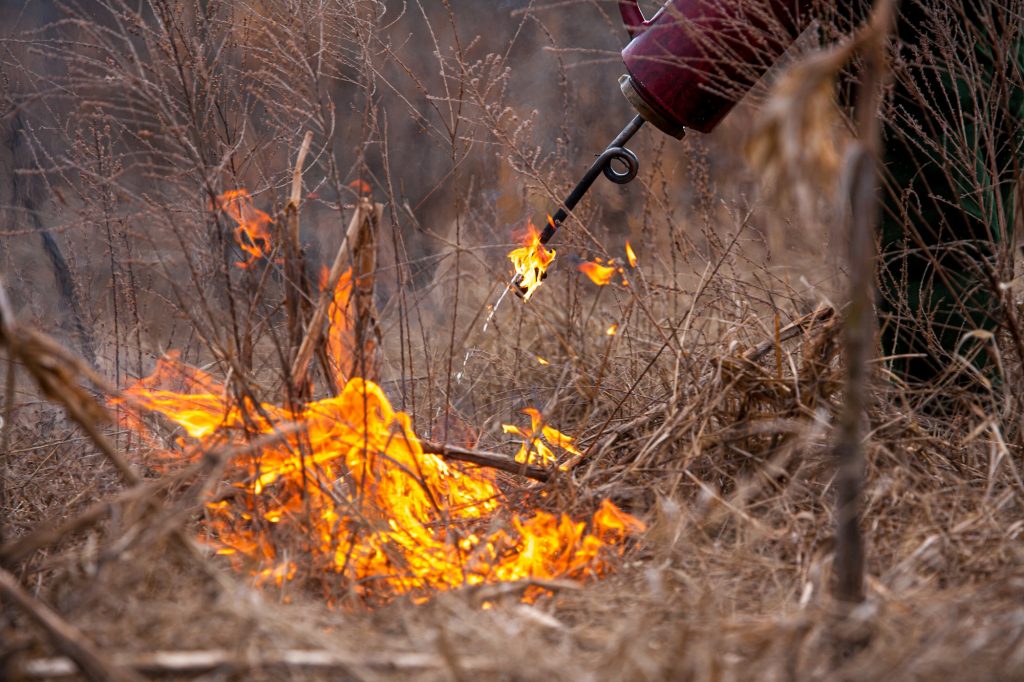
The new initiative was created out of urgency to reverse the widespread loss and degradation of critically important, disturbance-dependent ecosystems, such as prairie grasslands, savannas, barrens and open woodlands. These habitats are essential to wild turkeys, deer, pollinators, amphibians, songbirds and various rare and federally threatened plants and animals.
The new Roots to Roost Initiative dovetails into the NWTF’s other regionally based conservation initiatives, including the Forests and Flocks Initiative, the Habitat for the Hatch Initiative and the Waterways for Wildlife Initiative.
Habitat for the Hatch Reaches New Milestones, Launches First Request for Proposals
Across the Southeast, wild turkey poult production and hunter harvest — metrics used to gauge population stability — have indicated a declining population in many areas.
From land-use changes to fragmented habitats and dynamic predator communities, multiple factors likely contribute to the decline to some degree. As research continues to provide more insight into these new challenges, one thing is sure: expanding the nesting and brood-rearing habitat that wild turkey hens need to recruit more poults into adulthood will help combat the decline. Enter NWTF’s Habitat for the Hatch Initiative.
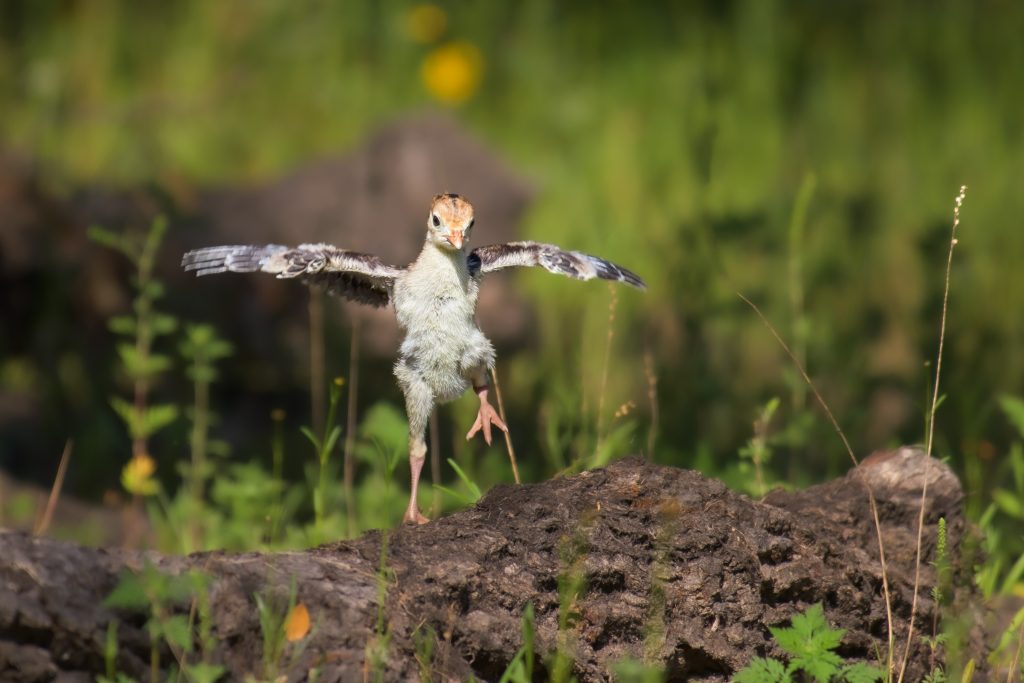
The NWTF launched the initiative in August 2023 to positively impact 1 million acres of critical nesting and brood-rearing habitat across public and private lands by 2033. And in just two years, the results are taking flight.
Numbers to Date:
- Direct habitat acres improved: 150,895 acres
- Acres influenced via burn teams and equipment support: More than 300,000 acres
- Projects completed: more than 300
Moreover, the NWTF announced new funding opportunities through the Habitat for the Hatch Initiative, launching its first initiative-specific request for proposals within the Southeastern priority landscape. The goal of this RFP is to accelerate conservation projects that directly enhance vital nesting and brood-rearing habitat for wild turkeys at a landscape scale.
Waterways for Wildlife Funding Allocations
Through the Waterways for Wildlife Initiative, the NWTF and its partners invested $2.7 million in water conservation projects in 2025. This initiative continues to unite partners and deliver critical water-related conservation across the Great Plains.
This year’s investment supports 14 projects across seven states, bringing the total investment by the NWTF and its partners to more than $27 million since the initiative launched in 2022.
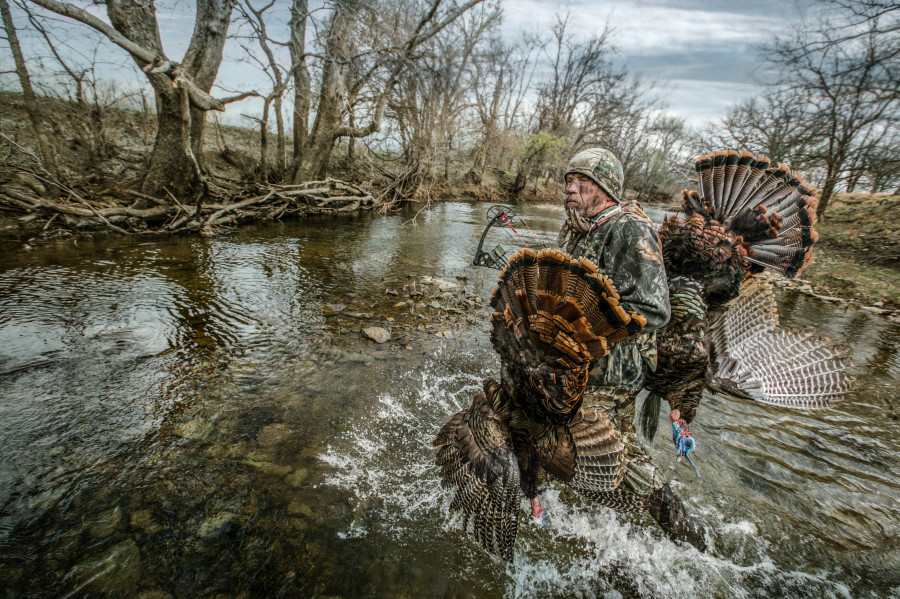
The Waterways for Wildlife Initiative set its ambitious 10-year goals in 2022: enhance 1,500 stream miles of critical waterways and improve 75,000 acres of riparian-related habitat within 10 Great Plains states. In its fourth year, the initiative and its partners are making significant progress toward the goal, enhancing 211 stream miles of waterways and impacting more than 45,000 acres of adjacent habitat between completed and ongoing projects.
Forests and Flocks
The Northeast region boasts a rich history of wild turkey conservation. Besides remnant populations in parts of Maryland, Pennsylvania, Virginia and West Virginia, wild turkeys were completely extirpated from the rest of the states within the region in the early 1900s. The NWTF created its 10-year Forests and Flocks Initiative to prevent future declines by building upon historic restoration efforts and ensuring the health and vigor of the Northeast’s wild turkey population for the future.
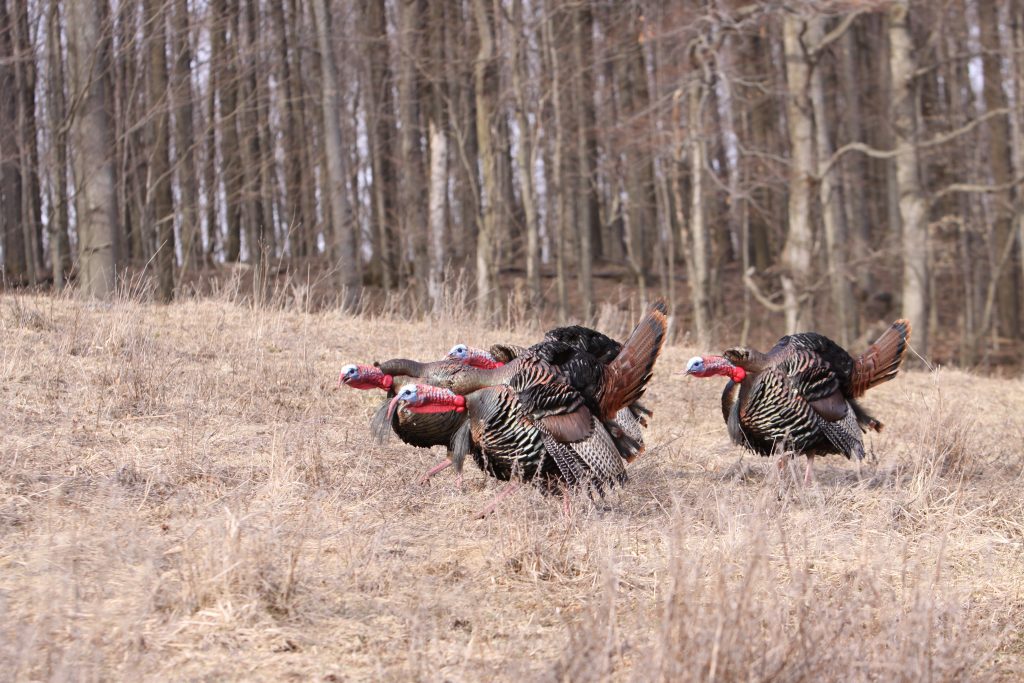
In addition, the Forests and Flocks Initiative is working to strengthen the region’s rich hunting heritage and increase our collective voice against recurring proposed legislation that is in opposition to the NWTF’s mission, while supporting policy that benefits our hunting heritage and active habitat management.
Launched in August of 2024, the Forests and Flocks Initiative is making progress toward its 10-year goal of improving 100,000 acres across Northeastern states, and in just one year, the region is celebrating results.
Numbers to Date
Between the NWTF state chapter Super Fund projects, grant work, NWTF’s National Forestry Initiative (private land efforts), seed orders and equipment acres, the Forests and Flocks Initiative has already impacted 10,718.5 acres. These acres include:
- National Forestry Initiative: 1,298 acres
- Seed Program Acres: 6,880.25 acres
- Equipment Acres: 1,361.5 acres
- Super Fund, Grants and Agreements: 1,108.75 acres
- Improving Public Hunting Access: 19,800 acres
Active Forest Management Accomplishments
In 2025, the NWTF and the USDA Forest Service continued to advance large-scale, on-the-ground forest management across the country. Through this work, the partnership completed significant habitat projects, moved critical timber to local markets and reduced wildfire risk — all while improving habitat for wild turkeys and countless other species.
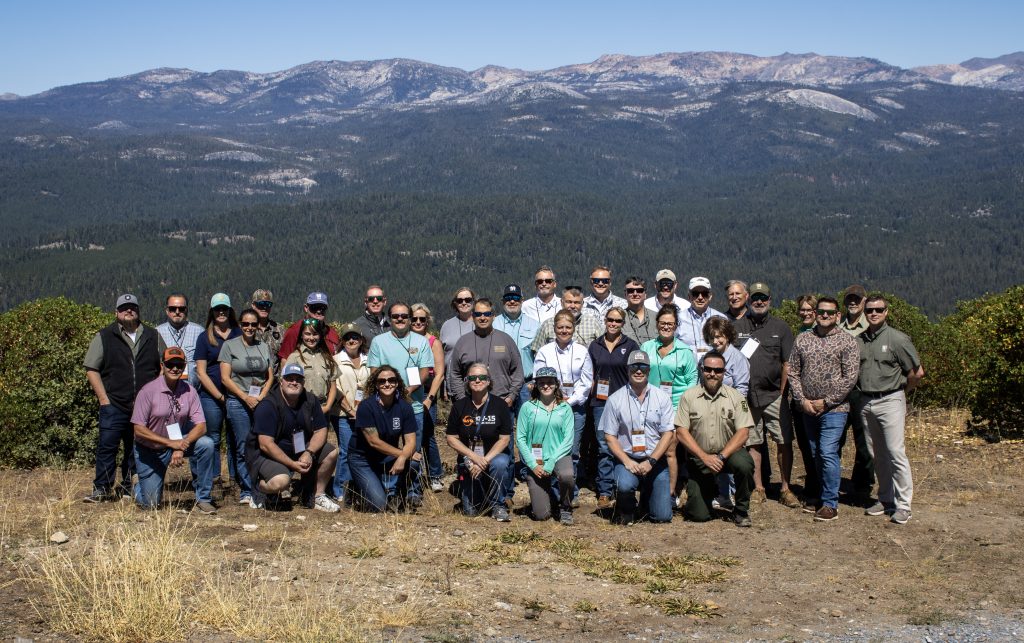
NWTF’s active forest management team delivered results under its national master stewardship agreement with the Forest Service, with projects now spanning five Forest Service regions across the West. To support the growing pace and scale of work, NWTF’s Capacity Agreement with the Forest Service expanded in 2025, adding or filling key positions across Regions 1, 2, 4, 5, 6 and 8, along with specialists in GIS, wood utilization and budget and agreements.
With new projects upcoming and expanded capacity, 2026 is poised to build on this success and continue delivering results where they matter most.
Education and Outreach
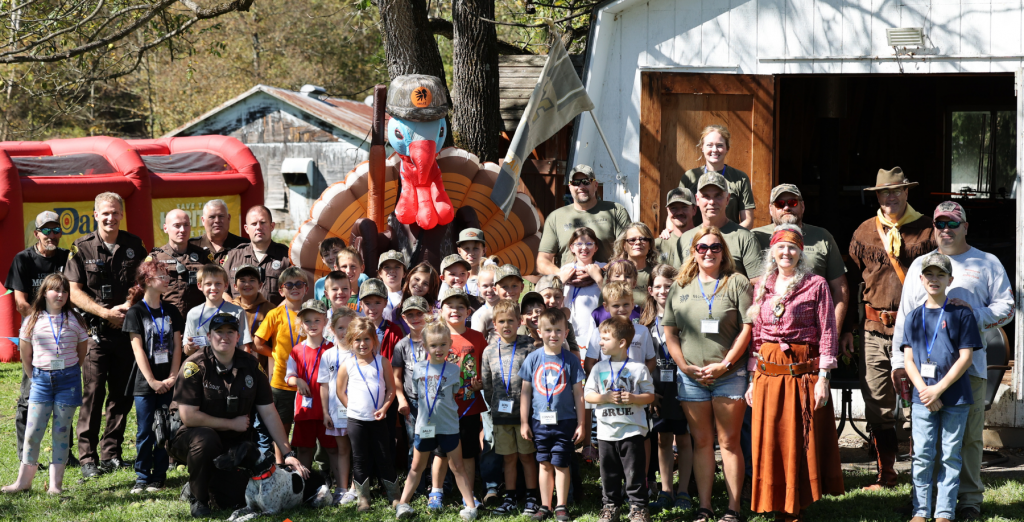
In 2025, the NWTF’s Education and Outreach department, in conjunction with a nationwide network of dedicated volunteers and partners, delivered more than 1,000 Education and Outreach events across 44 states. Through NWTF’s programs — such as Conservation Field Days, JAKES, Women in the Outdoors, Wheelin’ Sportsmen and Outdoor Skills — volunteers worked at the community level to preserve our hunting heritage, invest in future generations of hunters and cultivate lifelong conservation stewards.
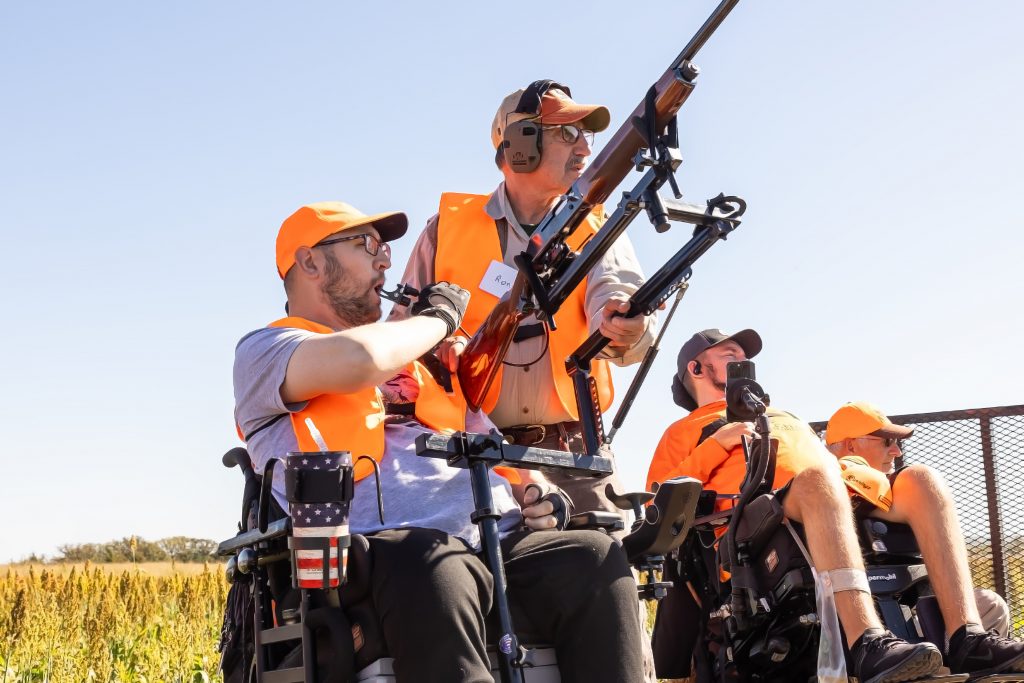
From rural communities to growing urban audiences, NWTF chapters and volunteers continued to adapt and expand their programming to meet local needs. This commitment to innovation and inclusivity ensured that new participants felt welcomed into the hunting community while rekindling passion among those who have long supported conservation and our outdoor traditions.
In addition, the fourth phase of the Hunt for Good campaign concluded at the end of 2024, and early 2025 brought the analysis and reports from this Northeast Regional Campaign. In partnership with the Northeast Association of Fish and Wildlife Agencies, as well as the Council for Advanced Hunting and Shooting Sports, this project spread positive messaging around hunting with the general non-hunting public. The campaign strives to effectively reach non-hunters across the country with informative material communicating the benefits of hunting to help build support and knowledge around hunting and the outdoor lifestyle.

As the report wrapped up, results from the six-week campaign reflected impressions, or the number of times the campaign was seen, which exceeded 20.2 million. Impressions were served in seven states throughout the region and Washington, D.C.
Ads in the campaign that mentioned the “Hunt for the Bond” and “Hunt for the Harvest” benefits drove the highest total traffic, displaying some of the unique messages that resonated with the Northeastern general population. These findings are essential as we see other state agencies and partners across the country begin to create their own campaigns with Hunt for Good. For example, the Missouri Department of Conservation has successfully used campaigns in its personal marketing endeavors with more than 11.4 million impressions over the course of two six-week campaigns.
Advancing Collegiate Involvement
The NWTF is investing in the future of conservation by creating collegiate ambassador positions across the country to establish chapters on college campuses. Research has shown that involvement at the college ranks leads to tomorrow’s local volunteers and conservation leaders.
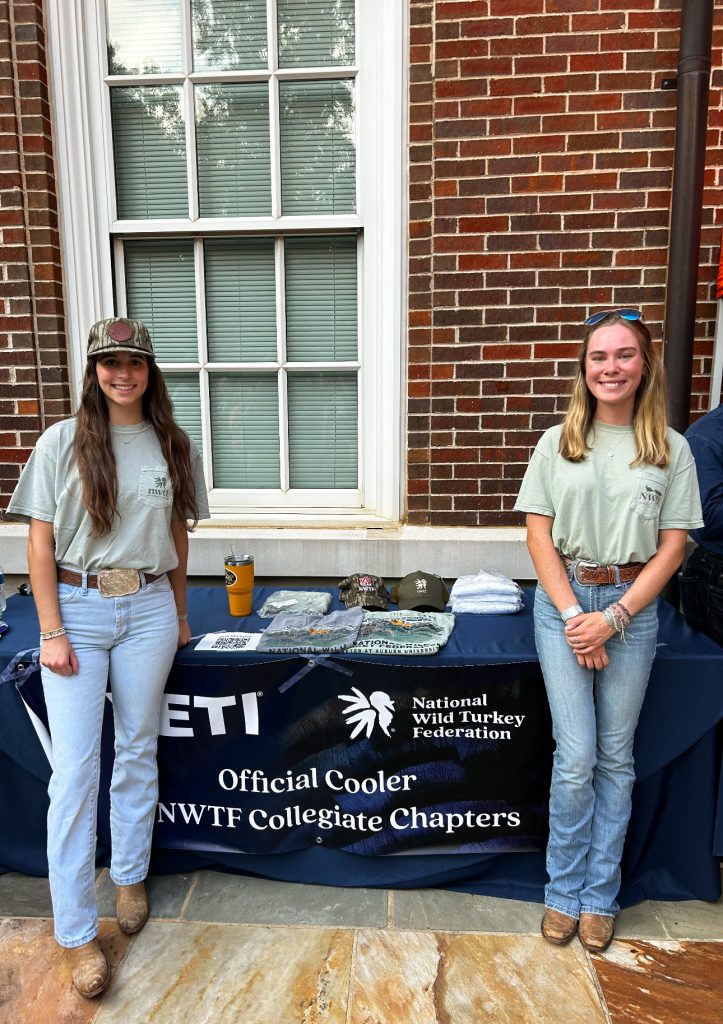
An internal case study conducted by one of the NWTF’s strategic planning teams regarding membership found that collegiate chapters create more members, more net dollars, more local NWTF chapters, volunteer leaders and staff.
Investments in NWTF chapters at colleges and universities create a structure that is encouraging for the growth of our brand with a younger demographic to create the future pipeline of NWTF leaders, volunteers and staff. In the cases of N.C. State University and the University of Alabama chapters, net dollars raised grew nearly 100% from the first year to the second. More than 10 local chapters were started or led by previous collegiate volunteers when looking at colleges and universities with five-plus years of post-college grads.
Policy and Advocacy
In FY25, NWTF staff and volunteers actively monitored and engaged in conservation- and hunting-related legislation at both the state and federal levels. NWTF representatives tracked or engaged with more than 100 bills, ensuring the organization’s voice was present when policies with the potential to impact wildlife conservation, public access and hunting traditions were under consideration.
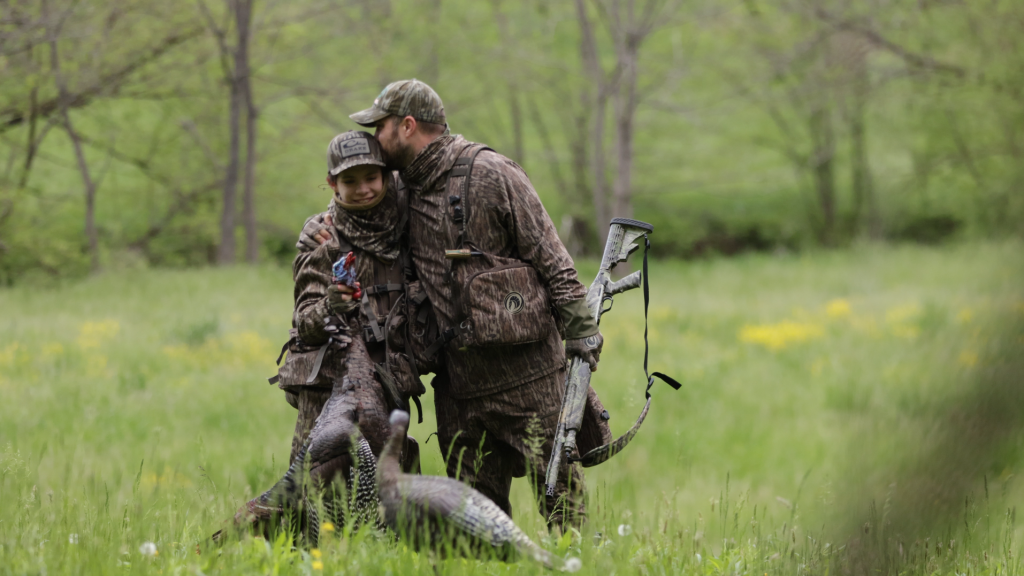
Through this ongoing work, NWTF staff, partners and volunteers continued to advocate for the wild turkey resource, the organization’s membership and hunters and conservationists across the country.
The success of 2025 underscores the NWTF’s ability to deliver meaningful conservation at scale. With strong momentum, strategic leadership and the continued support of dedicated volunteers and partners, the organization is poised to carry this progress into another productive year, advancing science-based conservation, habitat stewardship and hunting heritage nationwide.